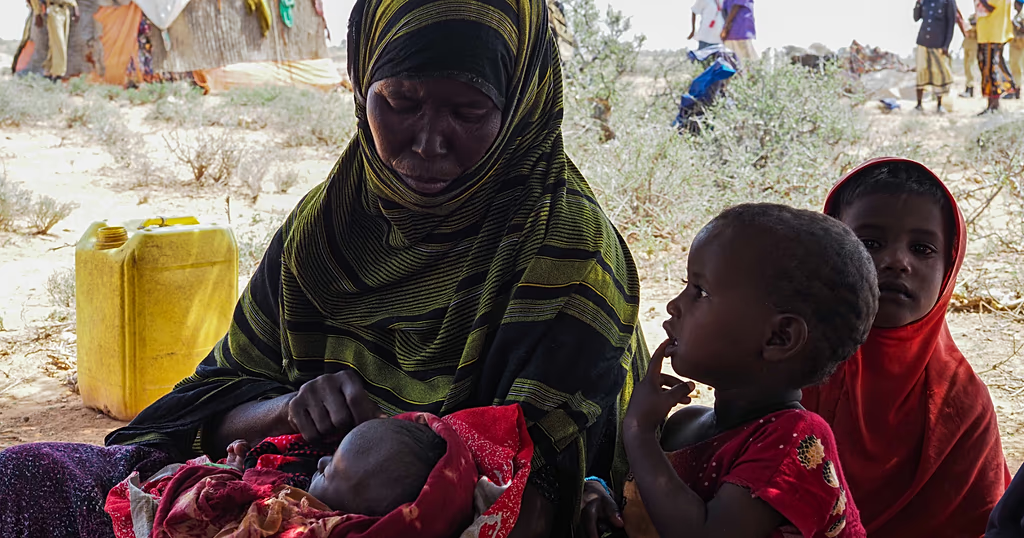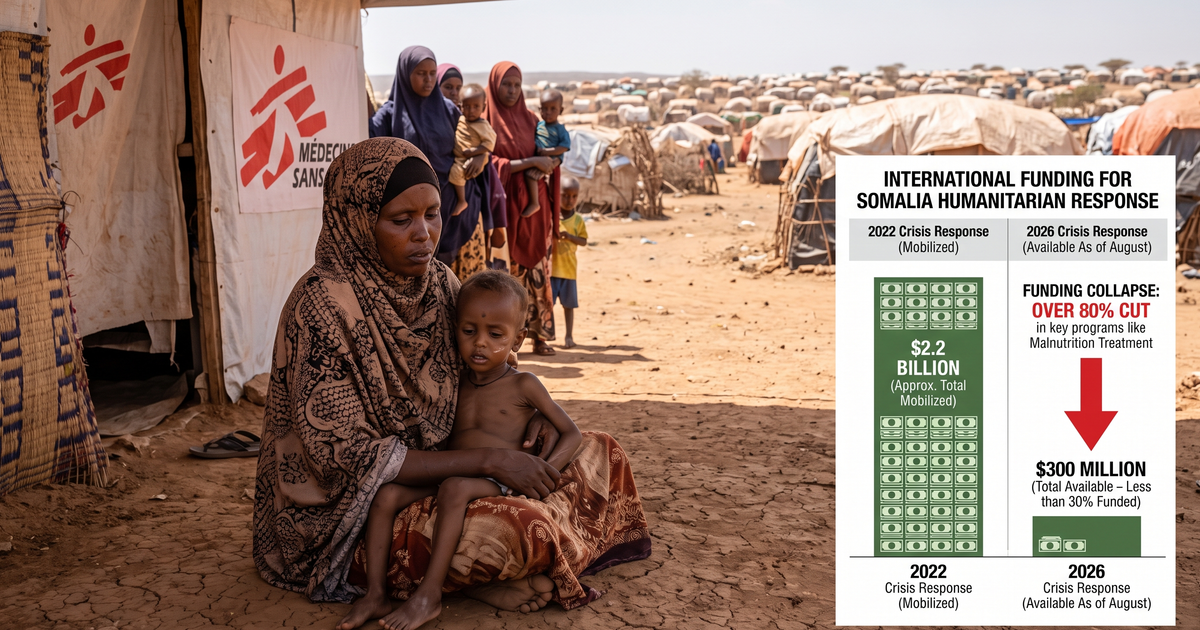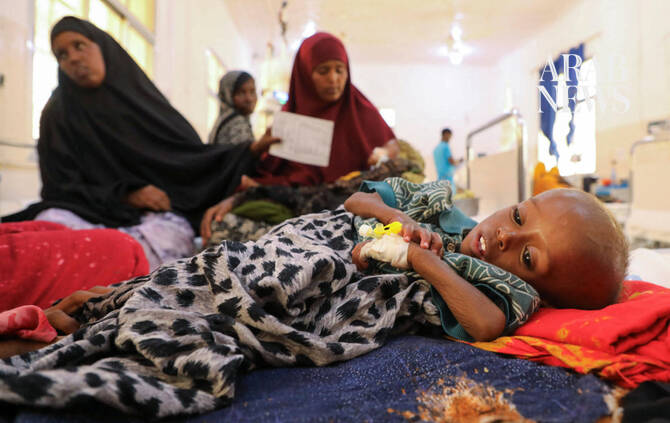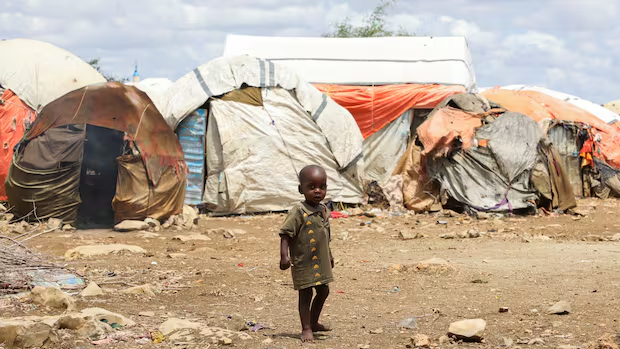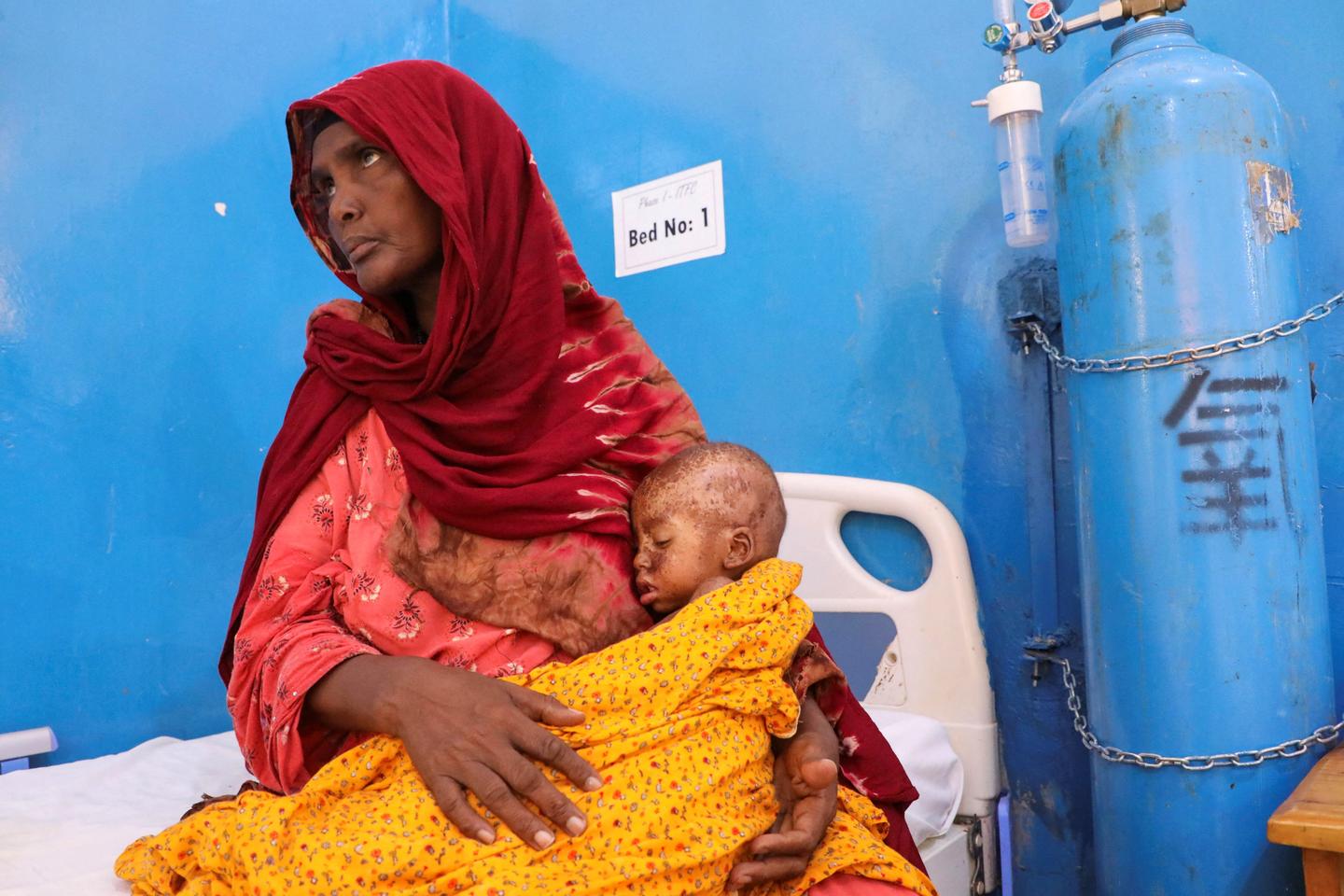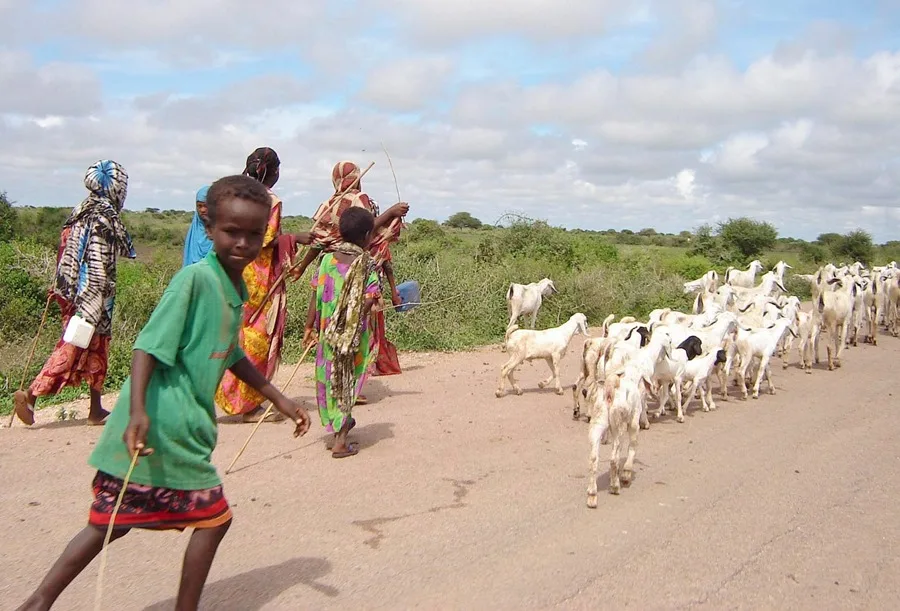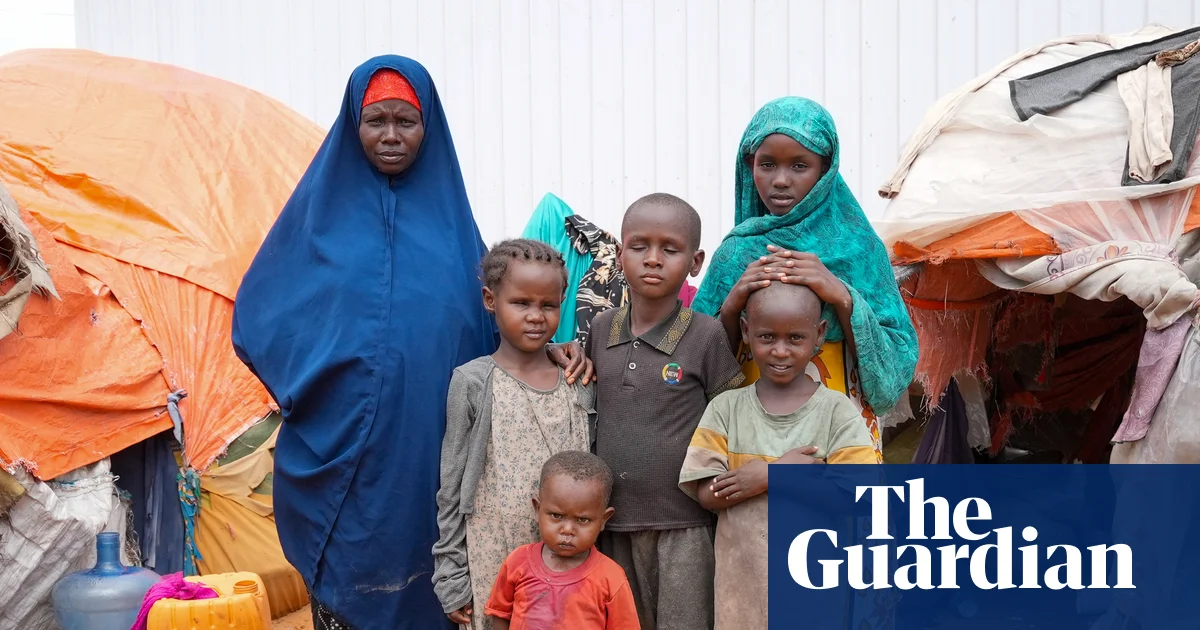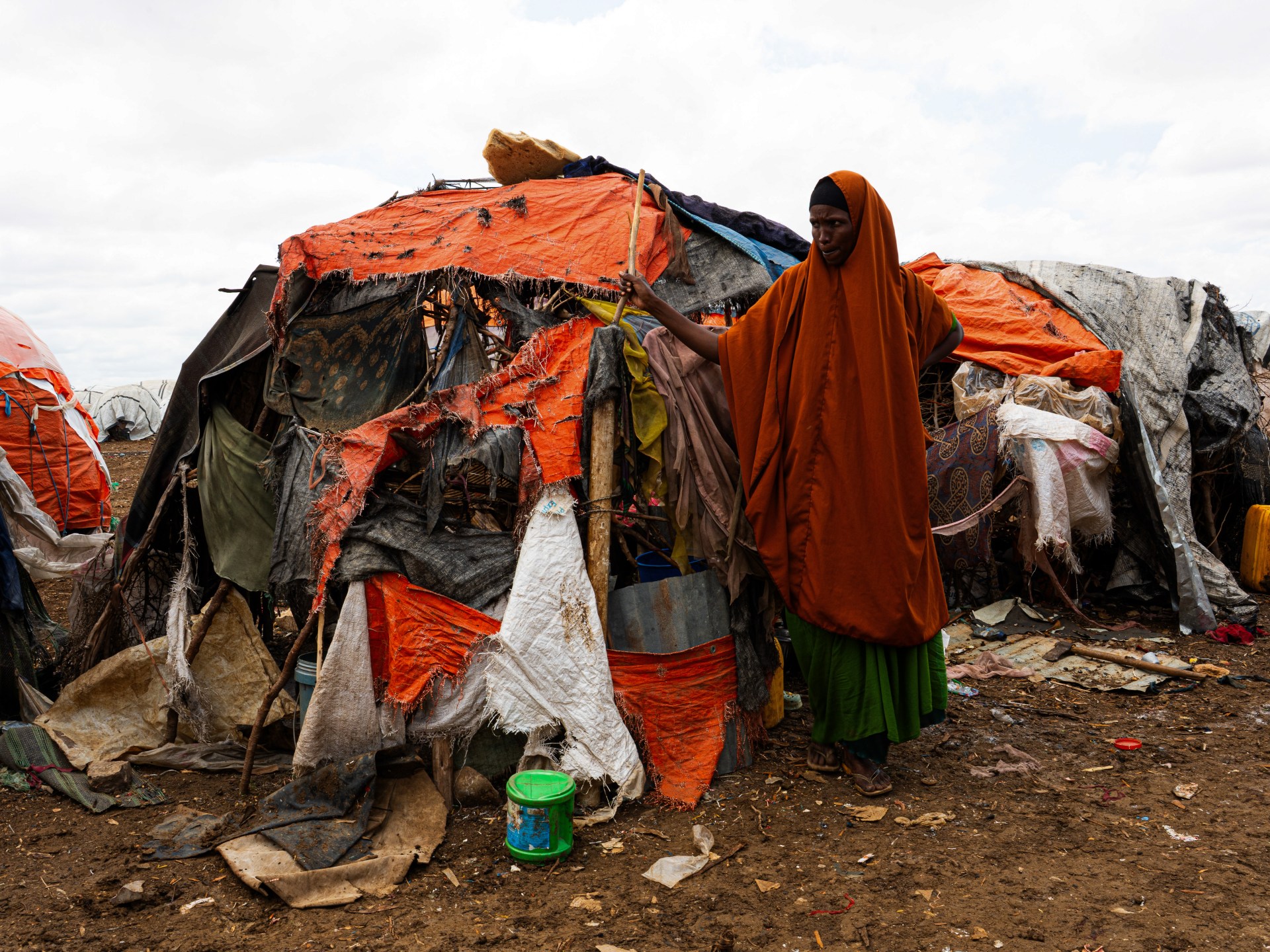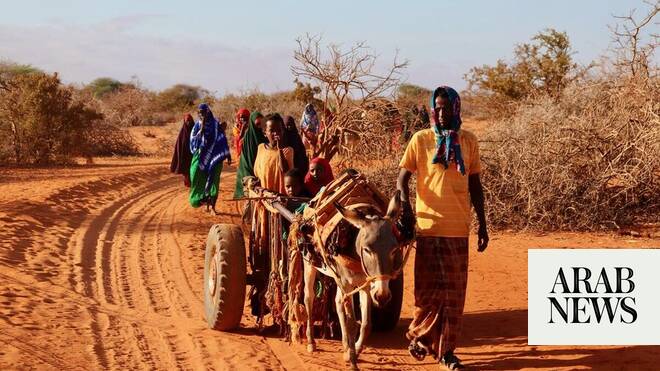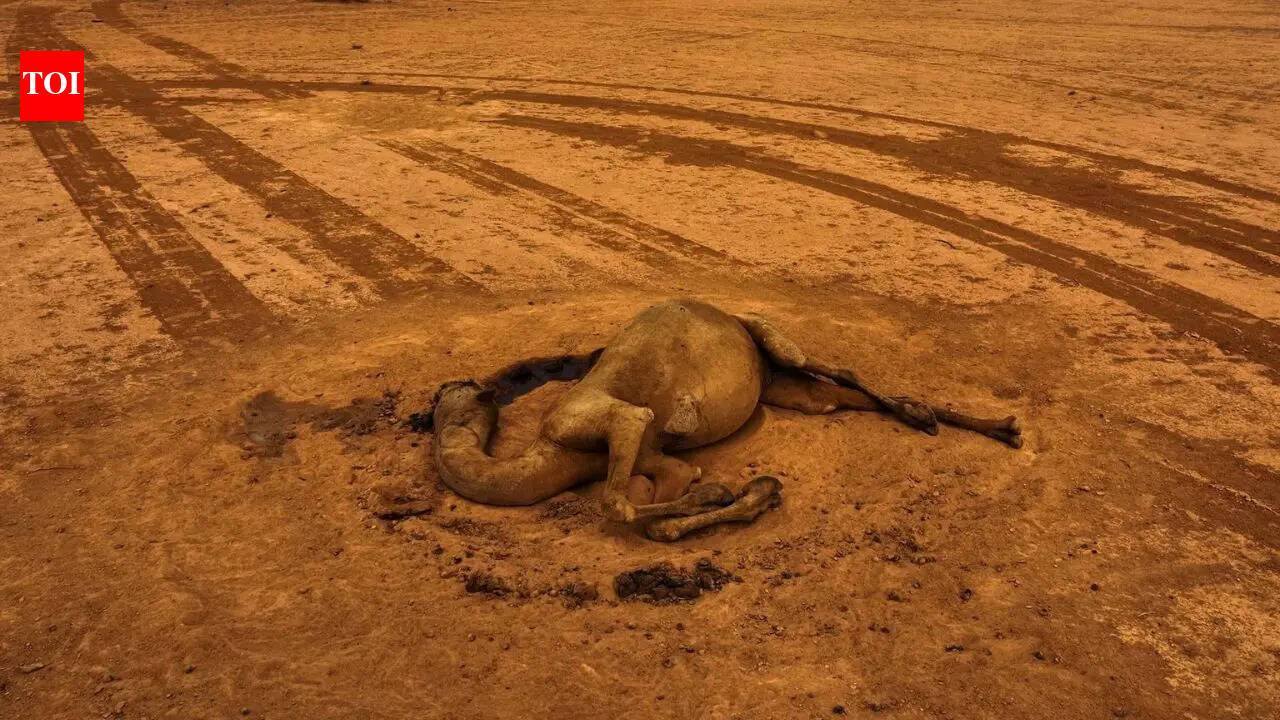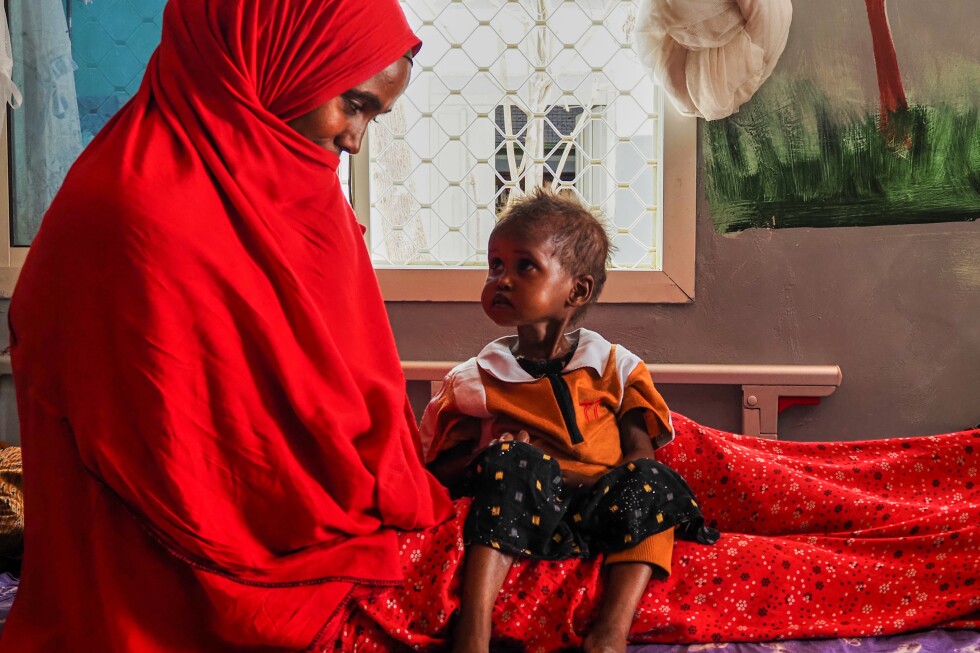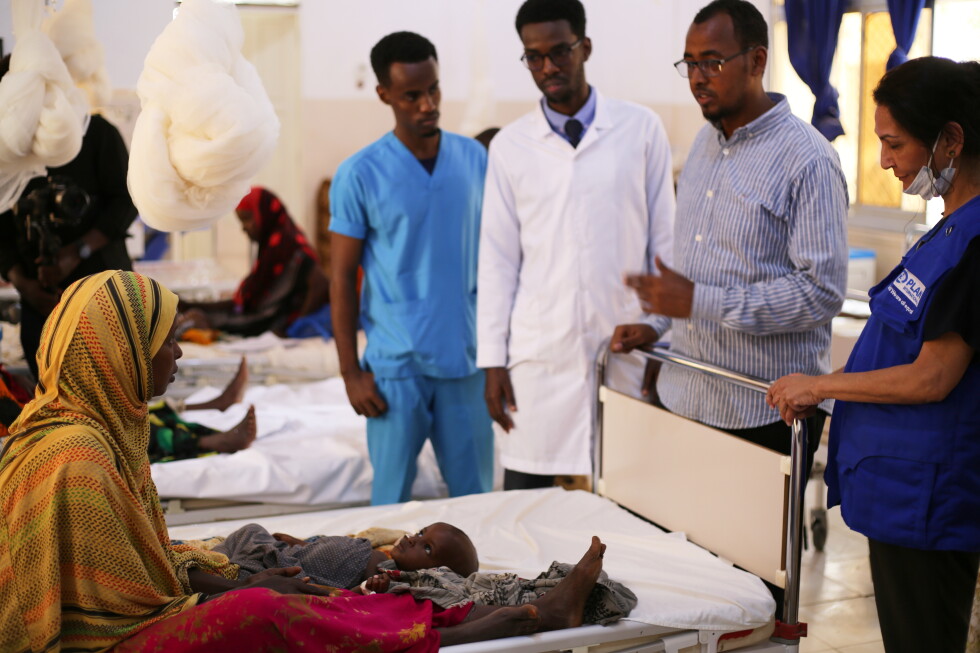
BAIDOA, Somalia (AP) — After nearly two weeks on the road with her five children, Luul Mohamed finally arrived in the southwestern Somali city of Baidoa with no food and little sense of what would happen next.Drought conditions had forced Mohamed and her family to leave Saakoow, a town in the Middle Jubba region more than 300 kilometers (186 miles) away. They moved from village to village before arriving in Baidoa, now a major hub for people fleeing drought, insecurity and food shortages, on Aug. 3.“We are very hungry and in a desperate situation,” Mohamed said. “We have nothing to eat and can only place our hope in God, as He is the one who sustains us through this ordeal that culminated in our trip.”The family’s journey is one example of a deepening humanitarian emergency in Somalia, where years of drought, conflict and economic pressures are pushing more families from rural communities into displacement camps as hunger rises and humanitarian funding shrinks.
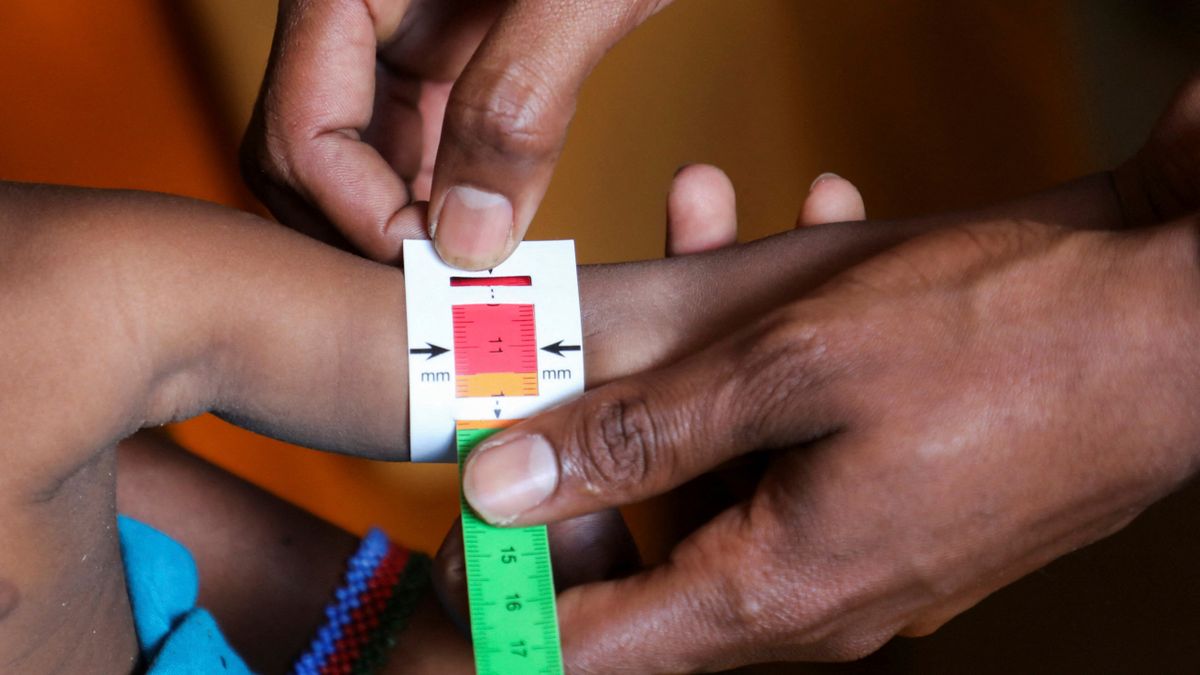
About 2 million people are facing emergency levels of food insecurity, more than double the number recorded last year, according to Plan International, which has provided assistance to more than 200,000 people in Somalia this year. The humanitarian group and Somalia’s Disaster Management Agency are calling for increased international assistance, with concern that the crisis could be compounded by another climate shock later this year.The U.N. Food and Agriculture Organization has projected a greater than 90% probability of El Nino conditions developing from mid-2026 and intensifying during Somalia’s October-to-December rainy season, bringing the severe risk of flooding.