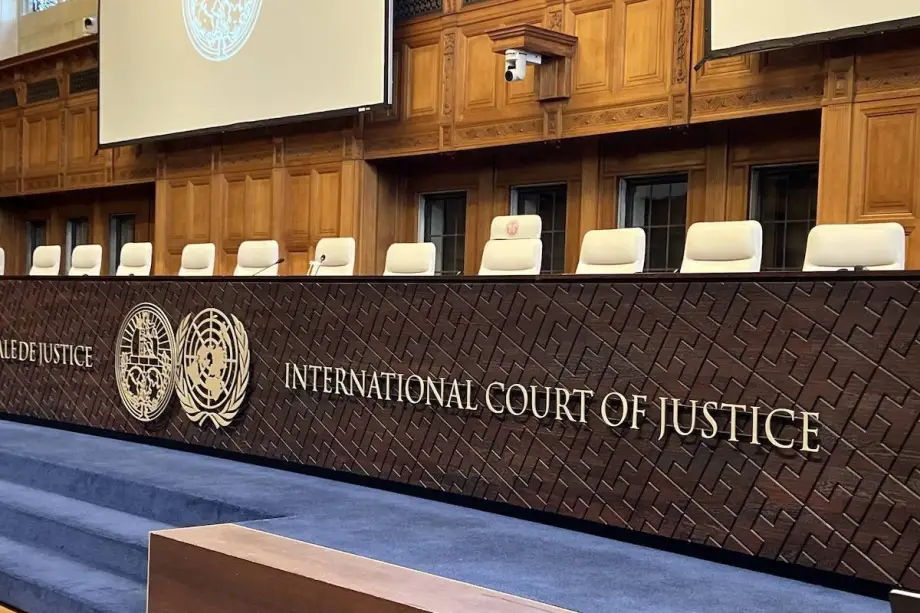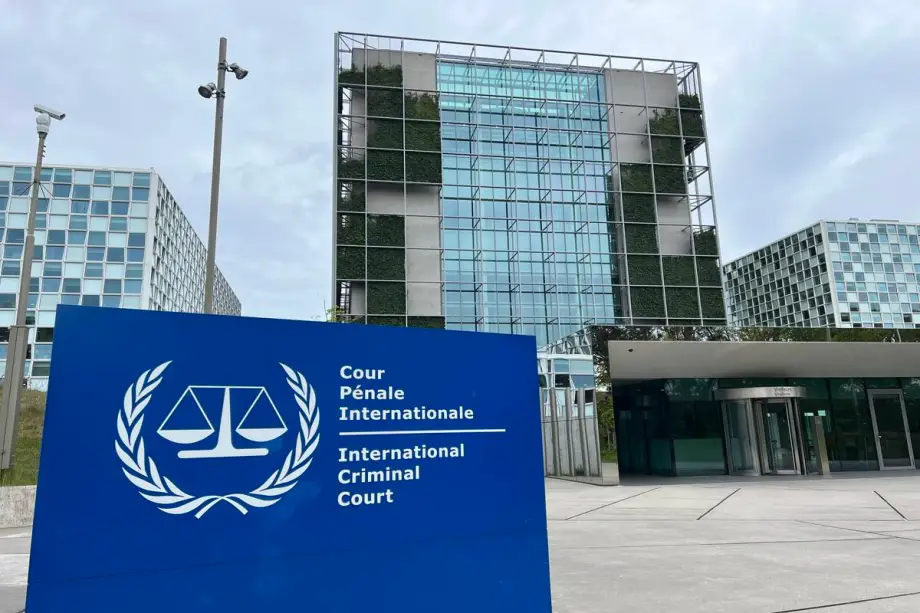
International law, otherwise known in its older and nobler description as the law of nations, is often presented as the great civilising compact of mankind. It is spoken of as though it were a sacred moral canopy beneath which all nations, large and small, powerful and weak, rich and poor, are equally sheltered. Its language is lofty, often talking about sovereignty, territorial integrity, self-determination, civilian protection, humanitarian restraint, peaceful settlement of disputes and the equality of states.
But the experience of the modern world teaches a harsher lesson. International law has too often been observed selectively, invoked strategically and violated with impunity where the interests of powerful states are concerned. It has, however, never been entirely meaningless. Without it, the world would be even more anarchic, violent and unstable than it is. But neither has it been the inviolable charter that its most enthusiastic defenders claim. It remains, in practice, a field of contestation between law and power; between principle and expediency; between the rights of peoples and the calculations of states.
The ongoing international disorder surrounding Ukraine, Gaza, Lebanon, Iran, Sudan and other theatres of conflict has made this contradiction impossible to ignore. In the European context, the language of sovereignty has been rightly and repeatedly invoked. Russia’s invasion of Ukraine was condemned as a violation of territorial integrity and the prohibition against the use of force. Ukraine’s borders, independence and political future became matters of global urgency. Western governments declared that no peace could be legitimate unless it respected Ukrainian sovereignty. They demanded security guarantees for Ukraine, guarantees against renewed attack, guarantees for its territorial integrity and guarantees for its right to exist as a secure and independent state.