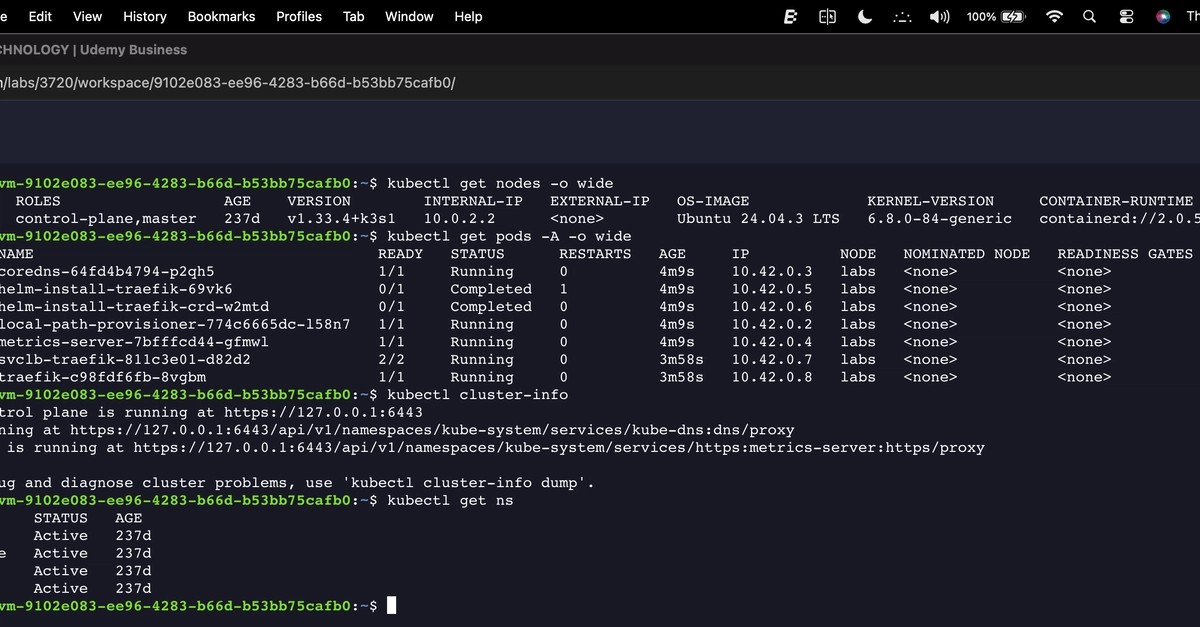
I wanted a Kubernetes lab that would still be there the next morning.
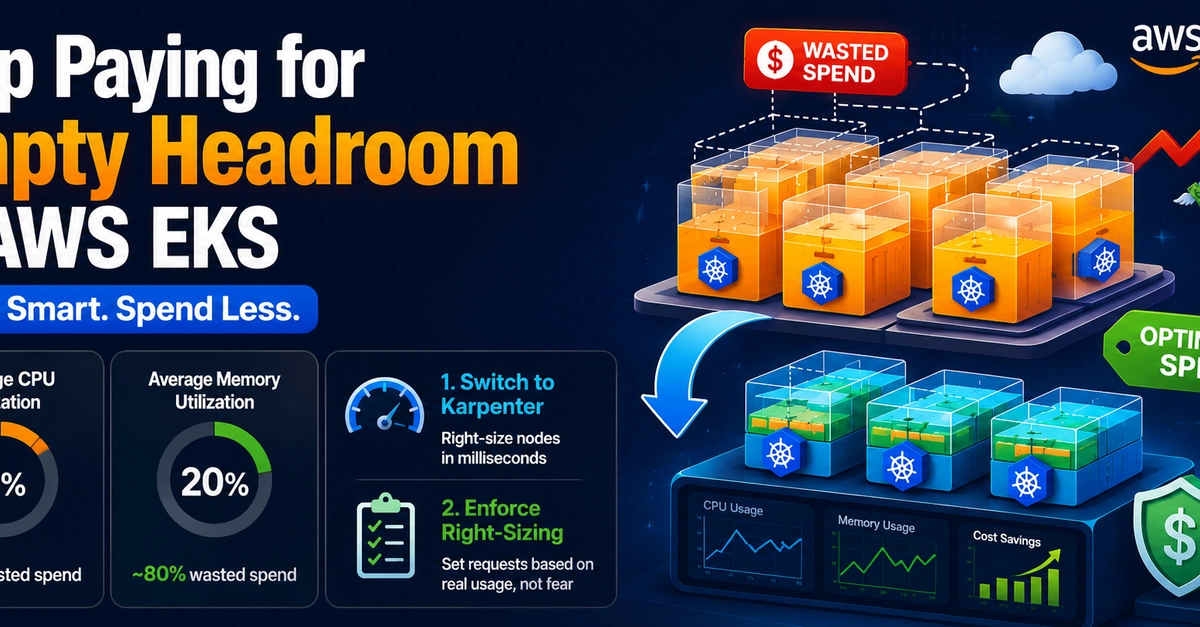
A temporary cluster on my laptop would be useful for testing manifests, but it would disappear when I closed the lid. Amazon EKS would give me the managed AWS experience I eventually want to test, but keeping it online just so I could practise Deployments and Services did not make sense for me. The EKS control plane alone is currently priced at $0.10 per cluster-hour under standard support, before worker nodes, storage, and networking.
I already had another option: an Intel N100 home server with 16 GiB of memory running Debian and OpenMediaVault.
It was already always on. It was also already busy.
At the time of my retained snapshot, the server was running 28 Docker containers. Kubernetes had to fit beside those workloads, not take over the machine. That constraint shaped the entire decision.