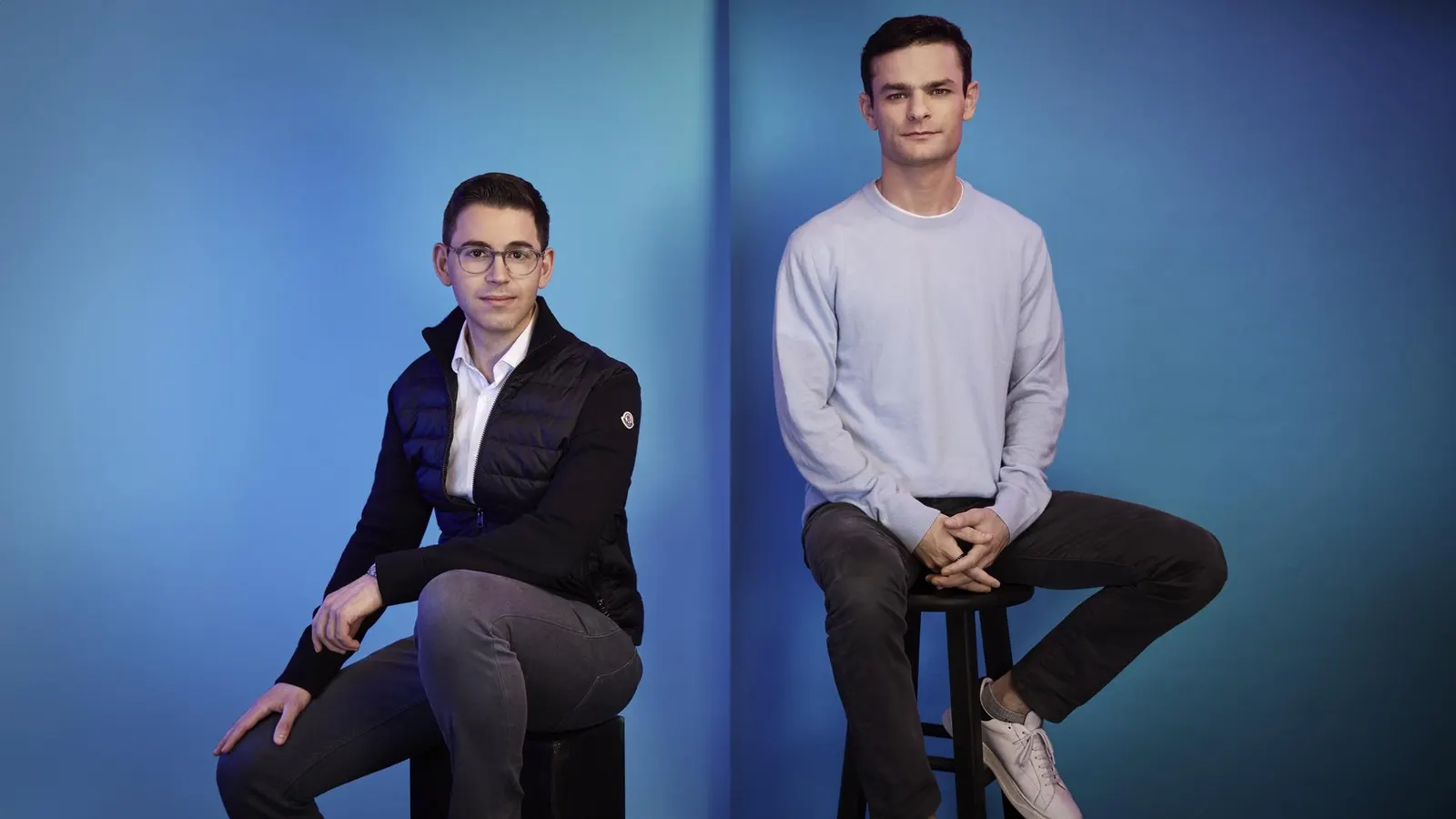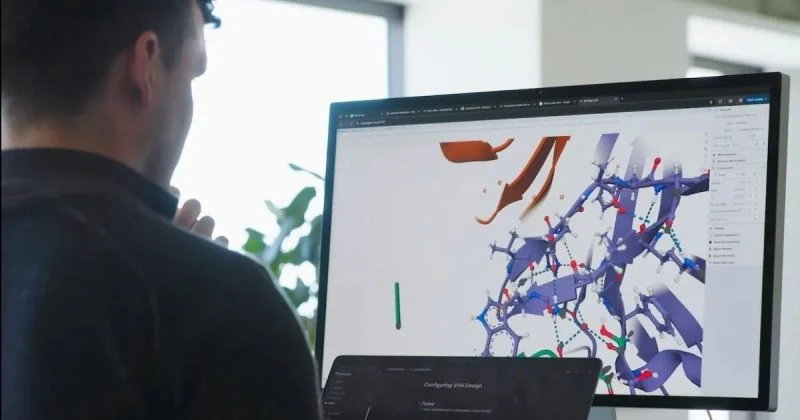
Designing a drug used to be a process measured in years and billions of dollars. Chai Discovery thinks it can compress meaningful chunks of that timeline into weeks. The San Francisco-based biotech company has released Chai-3, a generative AI model for molecular design that roughly doubles the success rate of its predecessor in creating antibodies that actually work as therapeutics.
Where Chai-2 produced viable binding affinities at a rate that left significant room for improvement, Chai-3 hits about 50% effectiveness for therapeutic candidates. In a field where single-digit success rates are considered normal at the discovery stage, that jump is substantial.
From model upgrade to Pfizer’s front door
The model’s capabilities didn’t stay theoretical for long. In early June 2026, Pfizer signed a licensing agreement to gain early access to Chai-3, along with a custom version of the model trained on Pfizer’s proprietary data.
Pfizer isn’t the only big name in Chai Discovery’s orbit. The company announced a deal with Eli Lilly in January 2026 focused on biologics discovery, and it has also established a partnership with Novartis.