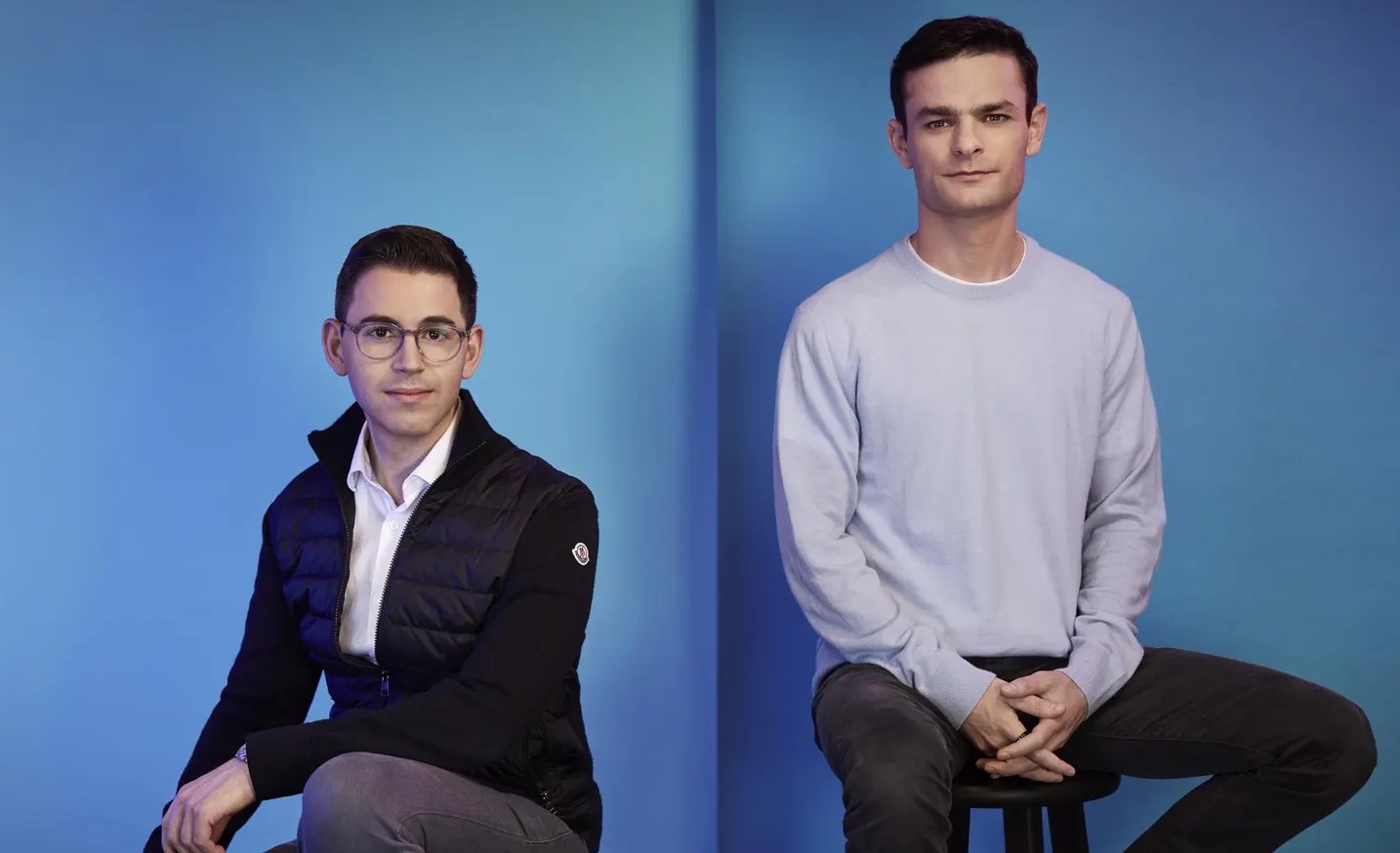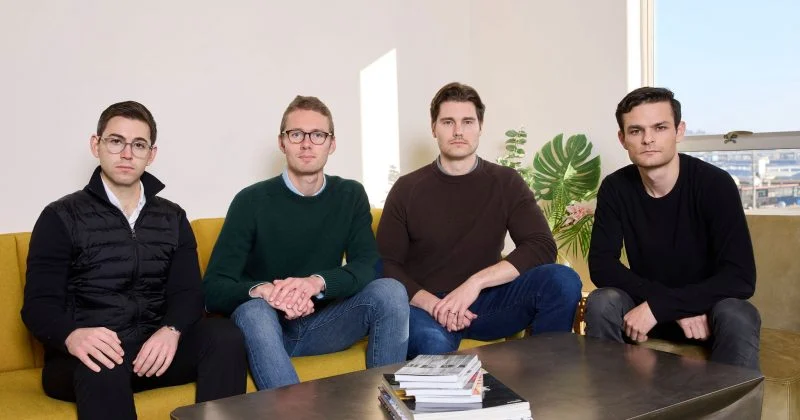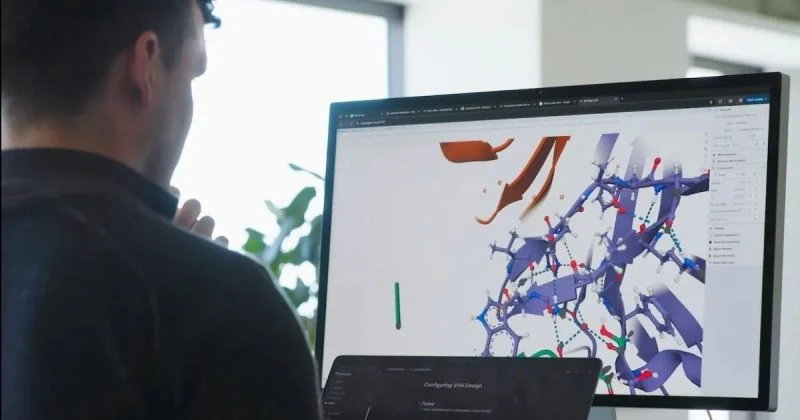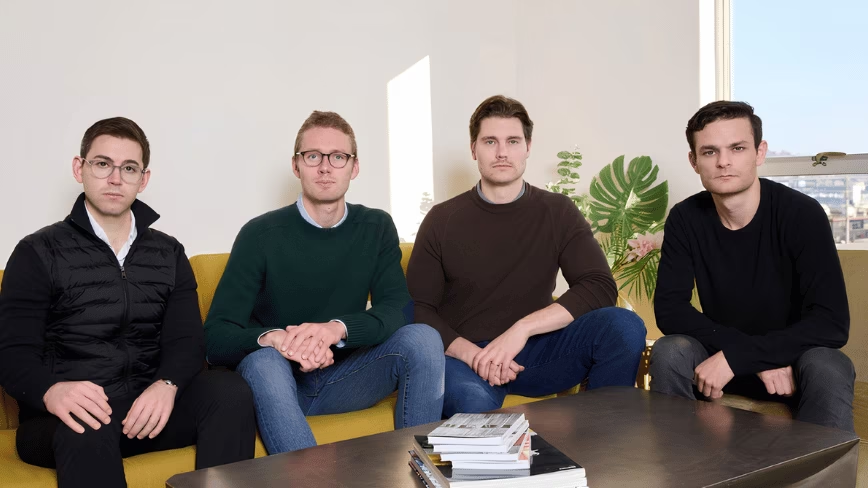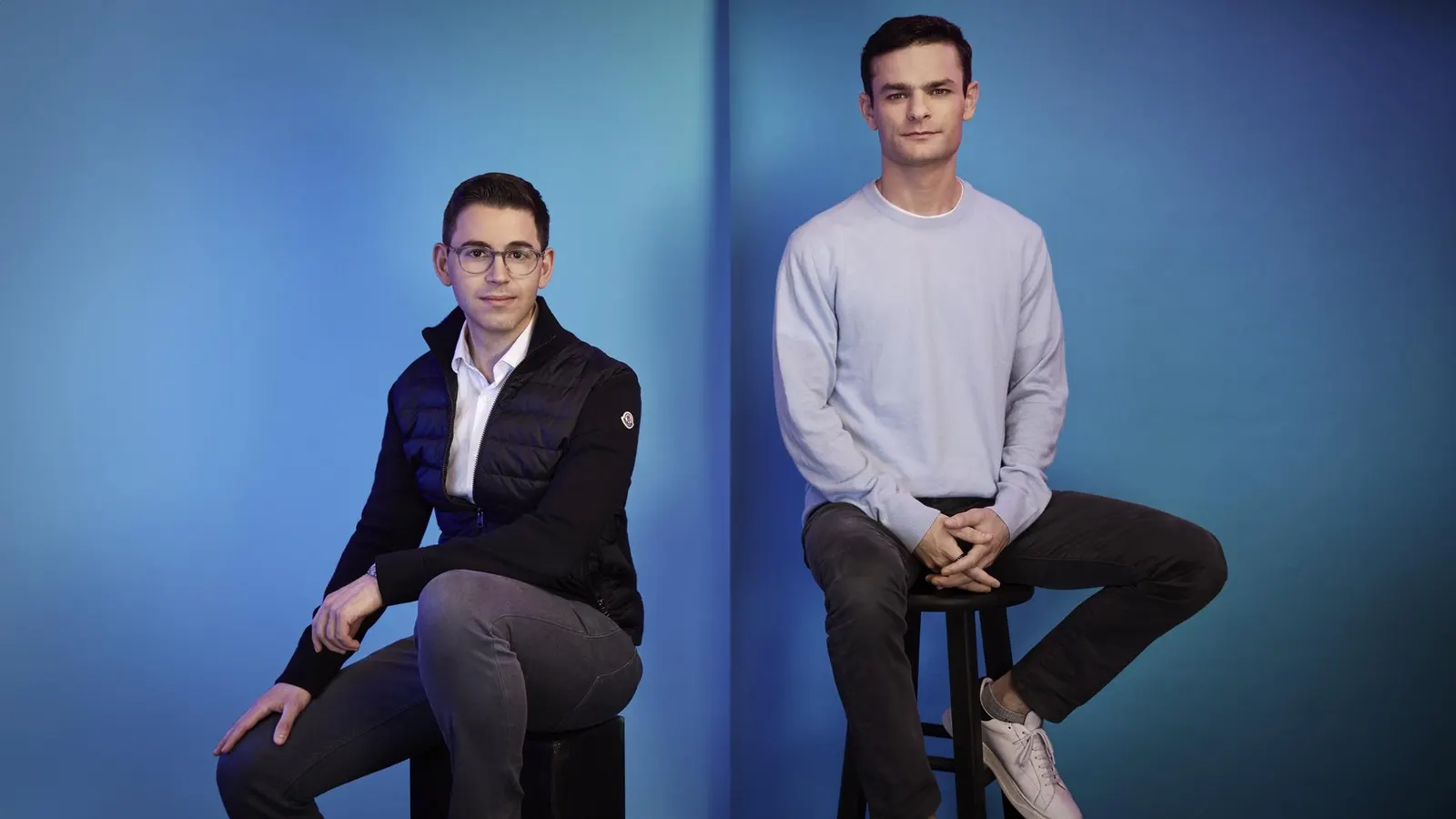
Chai Discovery cofounders Josh Meier (left) and Jack DentCody Pickens for ForbesLast June, when AI drug discovery startup Chai Discovery was just 15 months old, it released a new model that could design antibodies. Nearly 20 pharma companies reached out to talk. “It was like we dropped a bomb on the field,” Chai cofounder and president Jack Dent tells Forbes. “People were messaging on LinkedIn at 2 a.m., saying, ‘I am so excited I can’t sleep.’”Drug discovery is one of the great promises of AI—scientists and investors alike hope that models could upend the laborious process of creating new therapies. Today, a single drug typically costs well over $1 billion and takes more than 10 years. The dream is for the technology to allow drug hunters to find potential therapies faster and with more precision, as well as to come up with treatments for diseases that had previously been considered “undruggable.”“We want to raise the bar of medicines that are created,” says Chai cofounder and CEO Josh Meier. “It’s not just getting more medicines to patients, but better medicines.”Despite being up against competitors that are older and have more resources, Chai Discovery has catapulted itself to the front of the AI drug discovery race. In January, the startup—newly valued at $1.3 billion—announced a deal with Eli Lilly, the $1 trillion (market cap) drug behemoth best known for its weight-loss drugs, to design multiple novel therapeutics with its AI model. Now, Chai tells Forbes exclusively that it has signed another big AI drug development partnership, this time with $63 billion (2025 revenue) Pfizer. Earlier this year, the San Francisco-based company also quietly deployed the next iteration of its antibody design model, called Chai-3, which it claims is vastly superior to the Chai-2 one that put it on the map. “That got the Pfizer team really excited,” says Dent. The company now offers its earliest Chai-1 protein-folding model for free, which lets potential pharma company customers test drive some of its tech. Chai is in talks with more than 15 additional pharma companies, and hopes to sign more deals this year. While the startup declined to disclose financial details of its agreements with Pfizer or Lilly, those deals should provide it with meaningful revenue. Other partnerships in the AI drug discovery space—such as Genesis Molecular’s recent deal with Incyte or Alphabet spinoff Isomorphic’s 2024 agreement with Lilly—have involved tens of millions of upfront payments with potential total deal value above $1 billion. Chai, which was featured on this year’s AI 50 list, has raised more than $225 million from investors including OpenAI, General Catalyst, Menlo Ventures and Oak HC/FT. Now the company is in talks to raise an additional $400 million at a valuation of $3.4 billion, two investors familiar with the deal told Forbes. It’s still early, and the company has not yet chosen a lead investor, one of those VCs said. Chai declined to comment.“The models were smoke and mirrors for a long time. We knew we had to make things literally 100 times better for it to be valuable for real drug discovery programs.”
Why Pfizer And Eli Lilly Are Betting On This $1.3 Billion AI Drug Discovery Startup
Chai Discovery is working with major drugmakers to use its latest antibody AI model to find new therapies. Now it’s in talks to raise $400 million more VC funding at a $3.4 billion valuation, Forbes has learned.
1,872 words~9 min read