Free daily briefing on global business news.
No overhead serve to master, walls that turn mistakes into playable shots — the specific reasons padel is easier to pick up than tennis, and exactly how to start
Diana Scala / Pexels
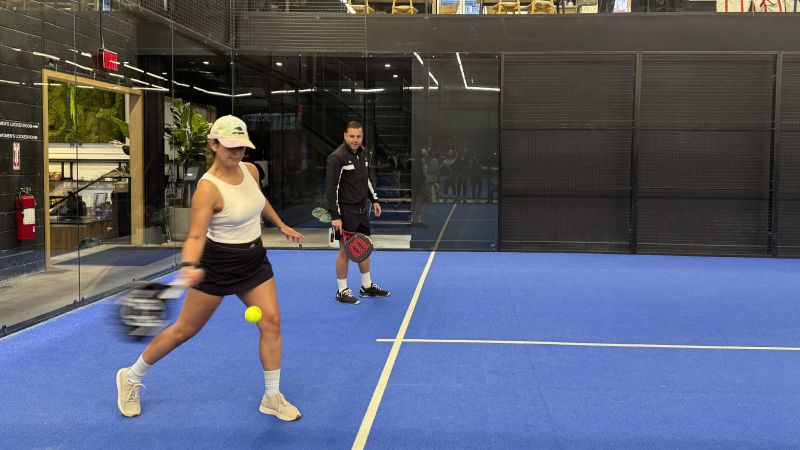
Padel has become the fastest-growing racket sport in much of Europe and is expanding rapidly in the US and UK, and the specific reason it has attracted so many complete beginners with no racket sport background at all is structural rather than cultural: the sport's court size, serve mechanics, and wall rules are specifically designed to produce longer rallies and reduce the technical barrier that makes tennis intimidating to a first-time player, meaning a genuine beginner can have a real, enjoyable rally in their first session in a way that tennis rarely allows.
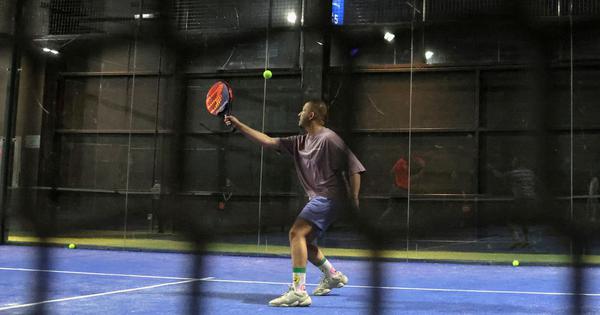
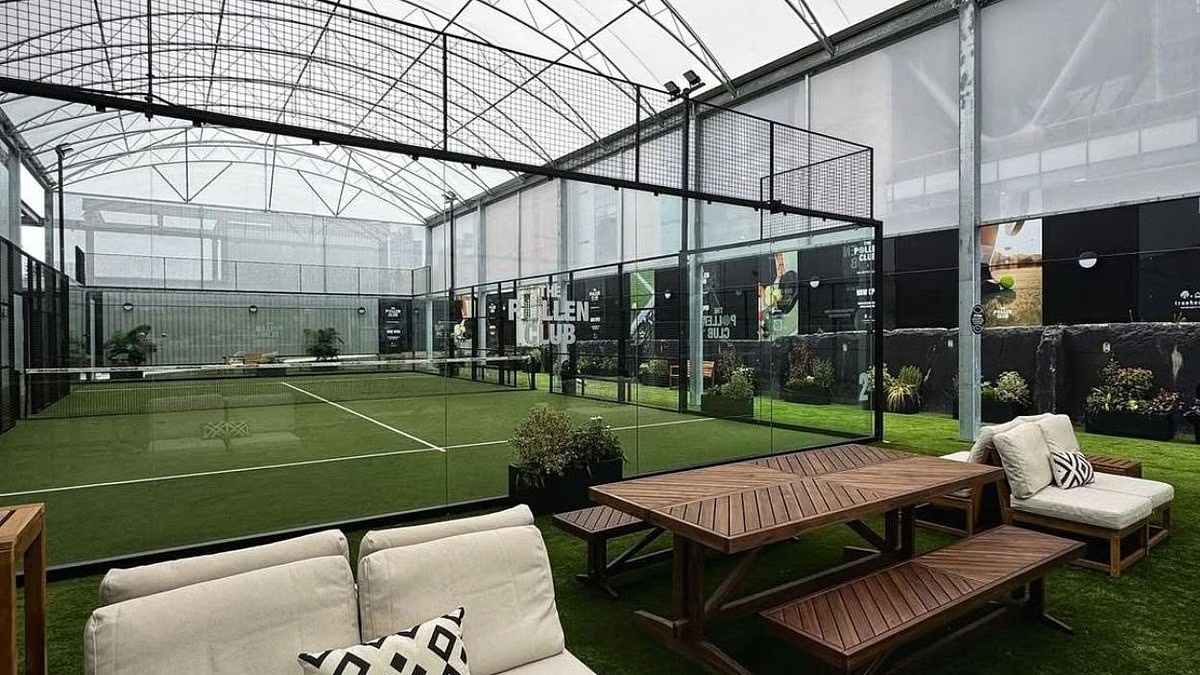
The specific features responsible for this accessibility are the enclosed court, roughly a third the size of a tennis court, which reduces the running distance and physical demand of covering the space; the underarm serve requirement, which eliminates the intimidating overhead power serve that most tennis beginners spend months struggling to develop; and the glass and mesh walls, which allow a ball to be played after bouncing off them, converting what would be an unreturnable winner in tennis into a genuinely playable shot in padel.