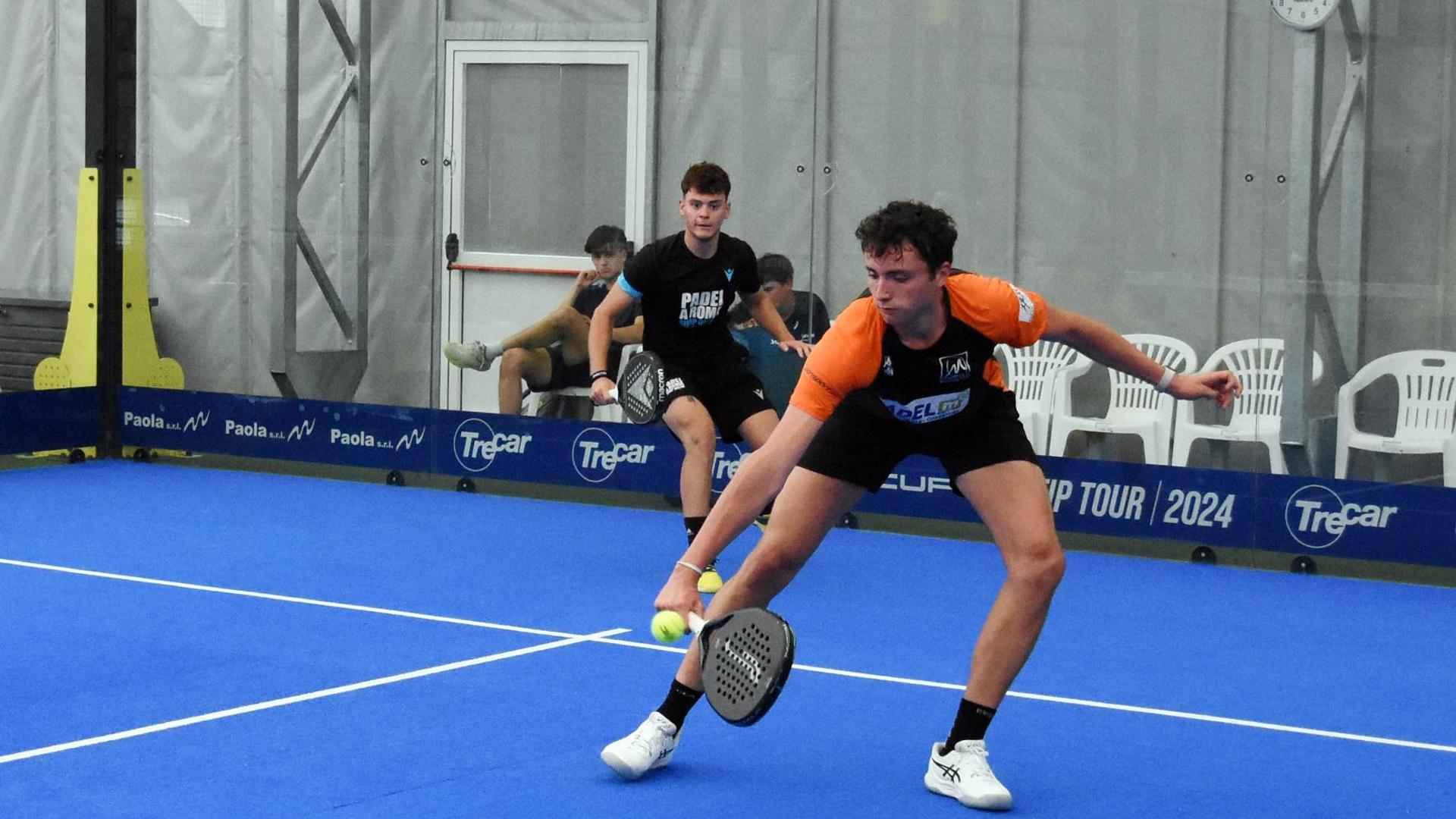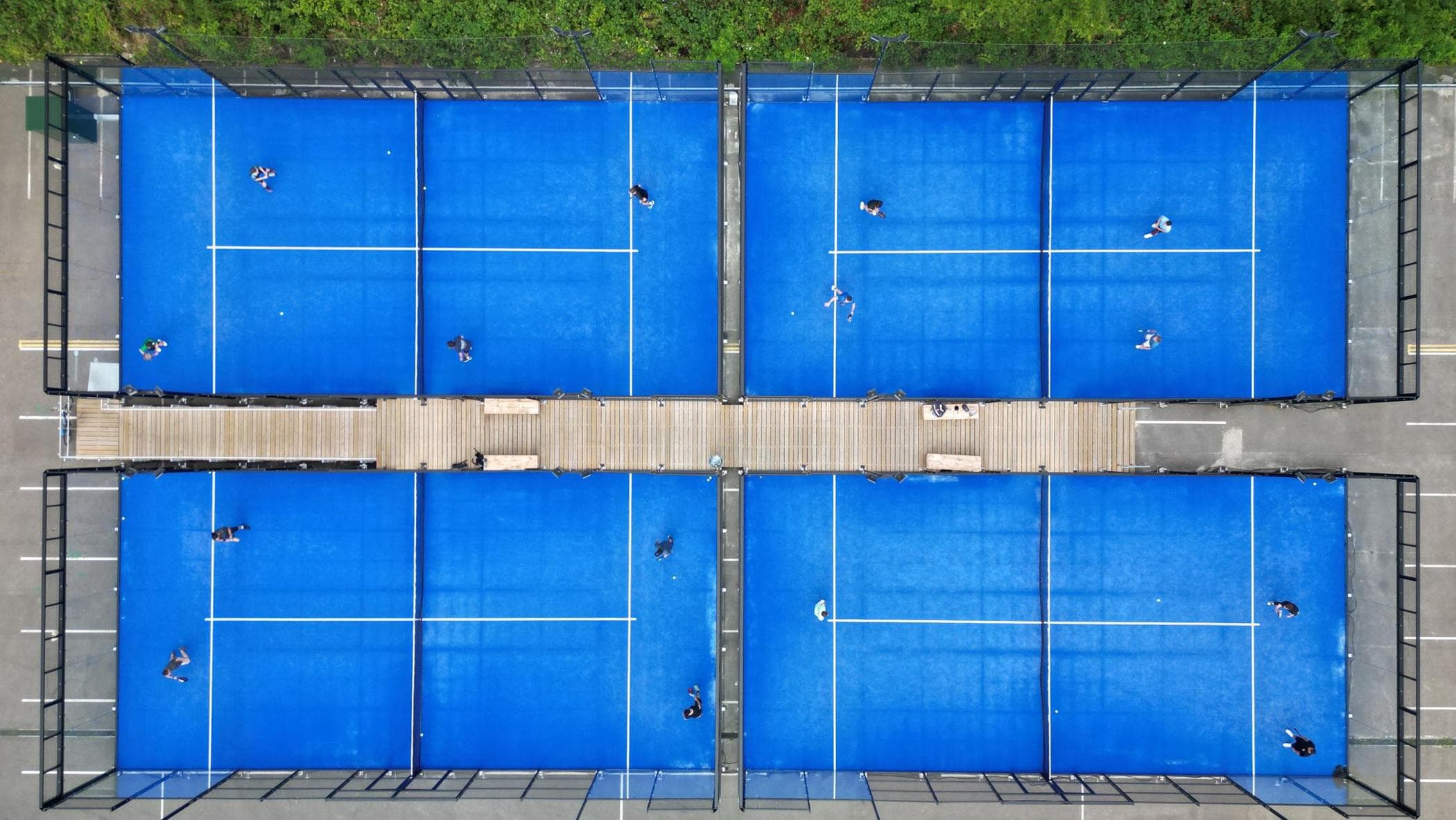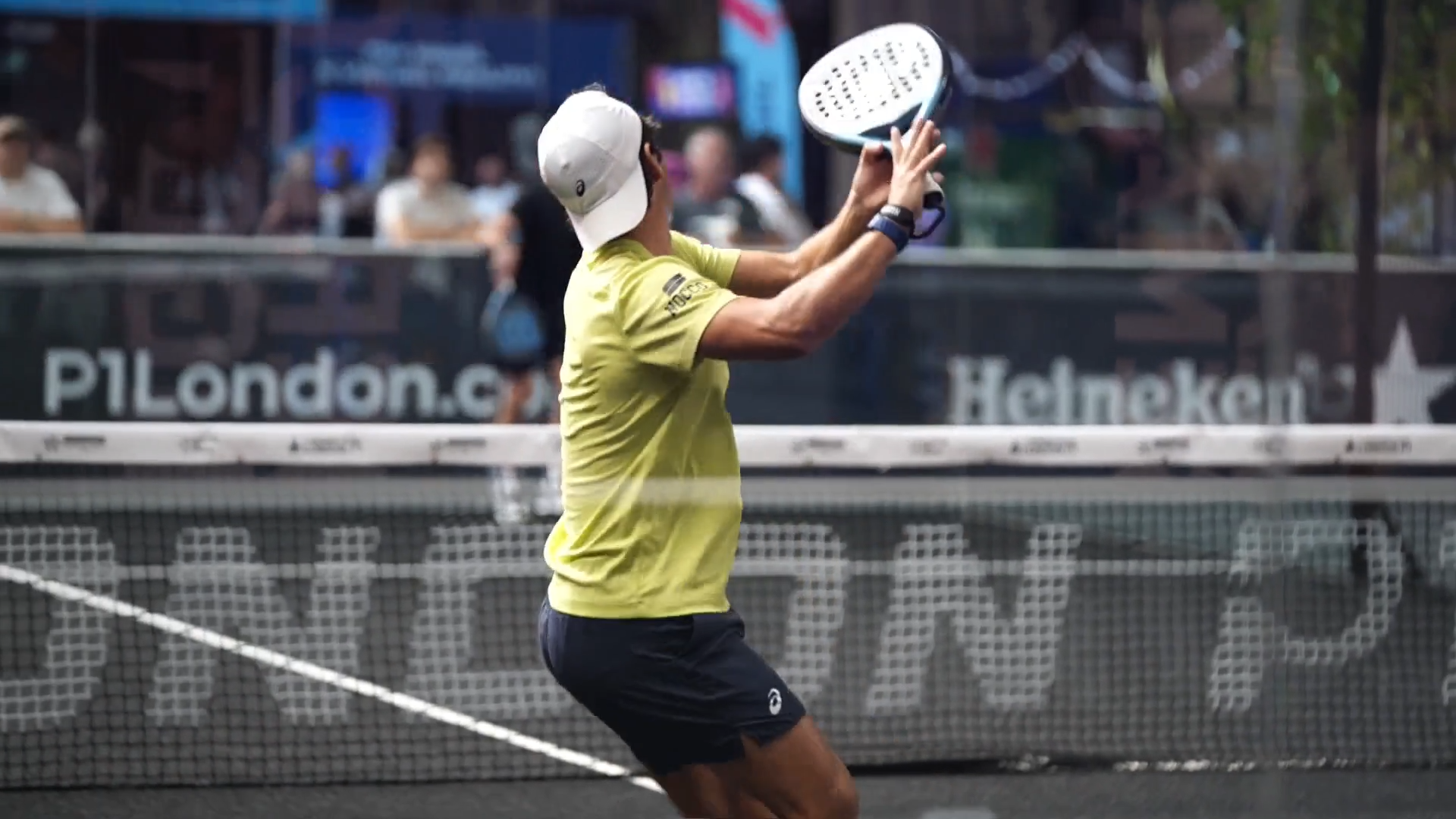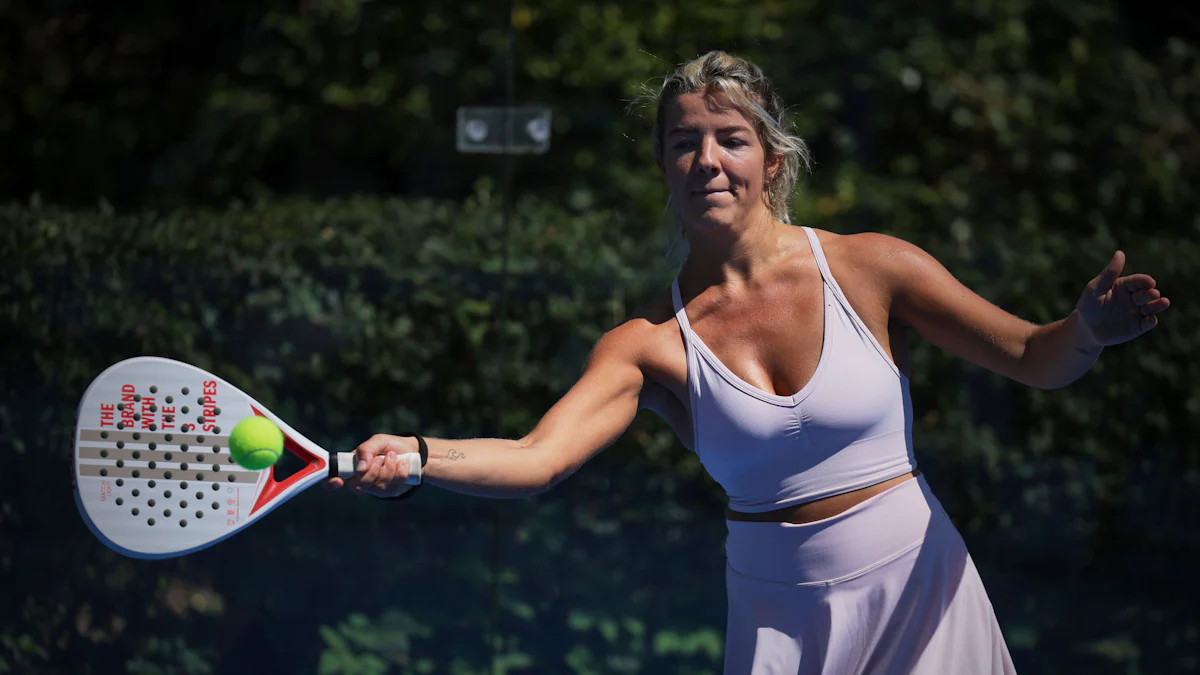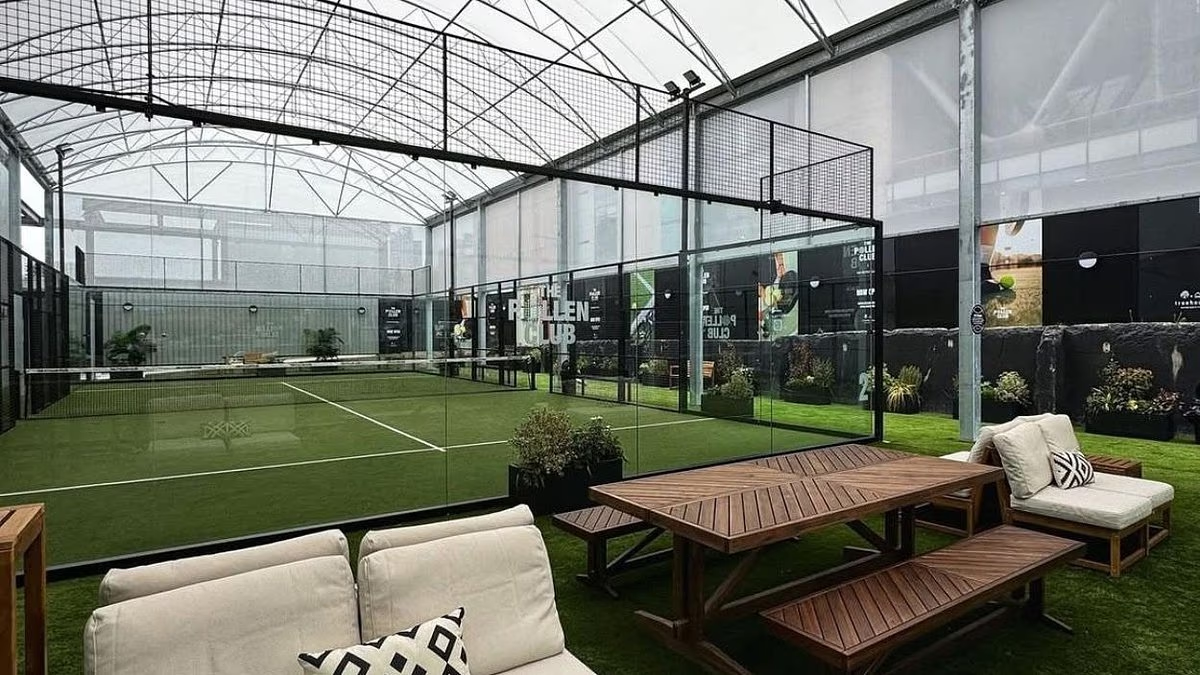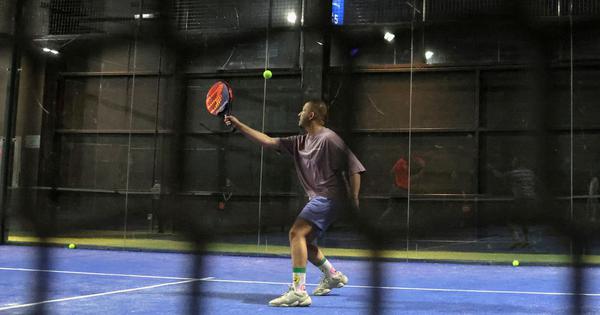
Padel has captured the sporting imagination in Britain and many Indian cities. Combining aspects of tennis and squash, and played across a net but within a walled court, padel was invented in Mexico in 1969.In the intervening half century, it cultivated a significant following in Latin America and Spain. Padel is the second most popular participation sport in Spain – behind football – with 6 million players. The professional padel circuit is now more than 20 years old.Britain is late to the party. In 2019, the number of people playing padel in Britain was just 15,000. However, the Lawn Tennis Association, the national governing body for padel in Britain, recorded in May 2026 that 1 million people play padel across the country. Such growth is a stunning success story.Yet, in certain quarters, padel’s rise has not been met with unbridled enthusiasm. There is unease in some tennis circles that padel could entice away a large proportion of recreational players. Even Novak Djokovic has voiced concern that padel threatens tennis at the club level.
Play
Padel’s appeal to club playersDjokovic makes the economic case that one tennis court can be converted into three padel courts, and three courts are more profitable than one. However, the threat runs deeper. Five structural features make padel attractive for club players.the initial learning curve is less steep than in tennis – for example, padel points begin with an underarm servepadel rackets are more forgiving to imperfect strokes than tennis rackets as they are made of fibreglass or carbon fibre and have no stringsless time is spent retrieving balls after errant shots because padel courts are smaller than tennis courts and enclosed by wallsthe walls add unpredictability to shots, at least for beginners, and this uncertainty over the ball’s path creates a fun coordination challenge for players, and an entertaining spectacle for their opponentspadel is inherently social as it is played in a doubles format and the smaller court lends itself to a flow of conversation between partners and opponents alike.The culture around padel also appeals to club players. Padel culture prizes informality, community and inclusion. Far from the hushed tones of tennis tournaments, padel events are more likely to play music while spectators recline on beanbags and socialise courtside. Racket throwing and gamesmanship are not just frowned upon – such conduct is viewed as decidedly odd. Padel is not simply a different sport to tennis, it offers a different way of doing sport.The challenge of competitive padelAmong sceptics, however, concern about padel at the recreational level is often coupled with antipathy towards it at the competitive level. Alexander Bublik, men’s tennis world number 11, recently opined: “If you can’t play singles, you play doubles. If you can’t play doubles, you play padel.” However, the ease of starting a sport should not be confused with the difficulty of mastering it.