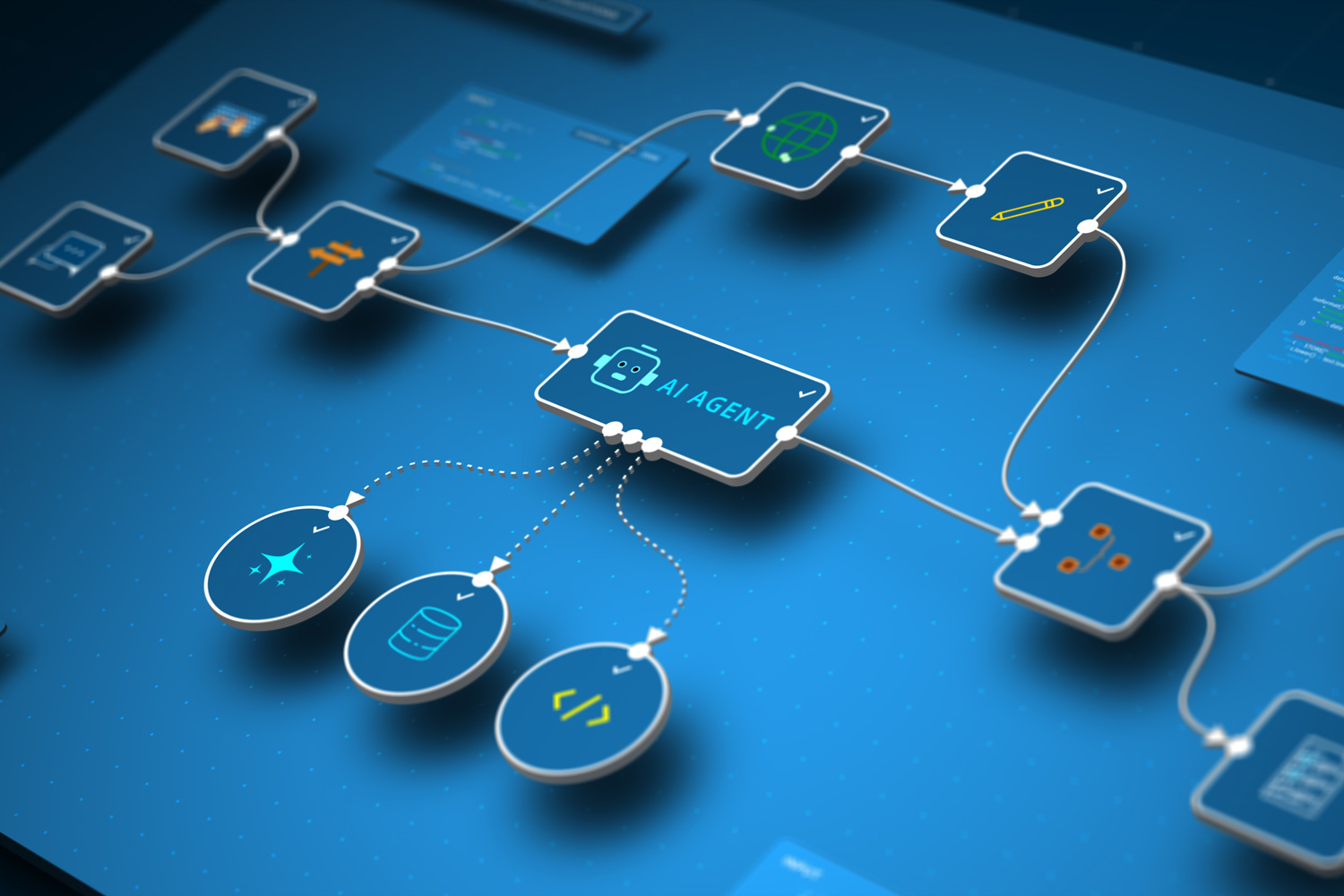
Artificial intelligence (AI) is a broad field with many practical applications. Over the past few years, we have seen explosive growth in generative AI, driven by systems like ChatGPT, Copilot, and other interactive tools that help developers write code and users create content. More recently, we have also seen the rise of "Agentic AI," in which orchestrators coordinate actions across one or more AI agents to perform tasks on behalf of a user.
While that can sound futuristic, even here in 2026, the reality is a little simpler.
AI systems, no matter how they are deployed, are just processes running on machines. They may live on a laptop, in a container, inside a virtual machine, or deep in a cloud environment. Fundamentally, they are software executing instructions, albeit probabilistic ones rather than hard-coded deterministic programs. And like every other subsystem we have ever built, they need a way to communicate safely.
This is where our real problem begins.
As we rush to adopt agentic AI, we are repeating a familiar mistake. We are focusing on capability and speed while leaving non-human identity (NHI) security and governance as an afterthought, by connecting AI tools to sensitive systems (repos, cloud, ticketing, secrets) without consistently applying least privilege. That gap has existed for years with CI systems, background jobs, service accounts, and automation.