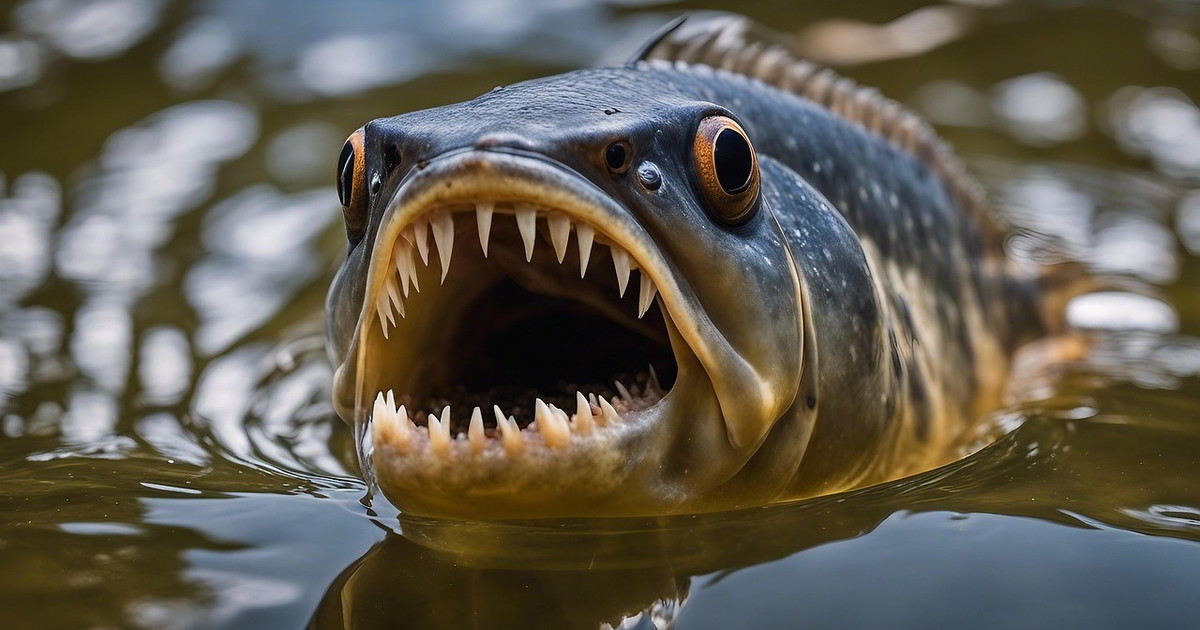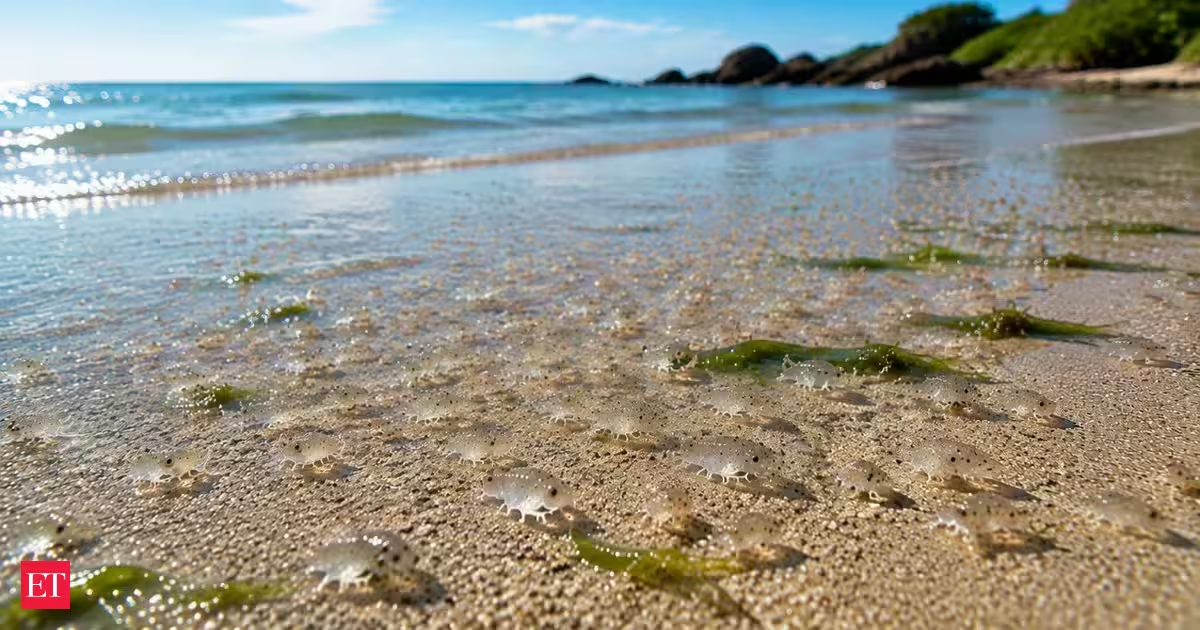
A beach may look quiet and almost lifeless beneath your feet, but the sand can be home to a remarkably efficient cleanup crew.Meet the sand piranha, Excirolana chiltoni, a tiny marine isopod that spends much of its life hidden beneath the sand along Pacific Ocean coastlines. Despite its intimidating nickname, this rice-grain-sized crustacean is less interested in attacking living animals than it is in finding something that has already died.These miniature scavengers play a significant ecological role. By consuming carcasses, seaweed, kelp, and other decaying organic material, they help break down waste and return nutrients to the coastal ecosystem, where those resources can finally be used by other organisms.Tiny scavengers beneath the sandExcirolana chiltoni inhabits sandy shorelines around the Pacific, with populations recorded along the Pacific coasts of North America and in parts of the western Pacific, including Japan and Korea. They are mainly connected with the intertidal swash zone, the part of the beach repeatedly covered and uncovered by waves.Much of the time, these isopods remain hidden beneath damp sand. Their small size and sand-coloured appearance make them challenging to notice, although their movements can sometimes leave subtle traces on the beach.When the tide provides suitable conditions, the animals emerge to search for food. Rather than actively hunting healthy animals, they are primarily scavengers and detritivores, feeding on protein-rich organic material left behind in the coastal environment.Nature's microscopic cleanup crewTheir less glamorous behaviour serves an important ecological purpose.Dead animals and other organic material that wash onto a beach contain energy and nutrients that would otherwise remain locked inside huge pieces of decaying matter. By feeding on this material, sand piranhas help break it down into smaller components.That process contributes to nutrient cycling in the coastal environment. The nutrients released from decomposing organic matter can eventually become available to other organisms, helping transfer resources through the food web.In this sense, the creatures sometimes featured as tiny beach attackers are also part of a natural recycling system. Their feeding helps prevent animal remains and other organic debris from simply accumulating on the shoreline.More than miniature “piranhas”The nickname can make Excirolana chiltoni sound more threatening than they really are. They are not miniature versions of South America's freshwater piranhas. They are marine crustaceans whose swarming scavenging behaviour has inspired the comparison.Their ecological role is considerably less frightening: they are decomposers and scavengers occupying a small but useful niche between the beach, the ocean and the organisms that depend on nutrients circulating through the coastal ecosystem.So, while beachgoers may want to keep moving if they encounter a swarm, these rice-sized crustaceans are doing something valuable beneath their feet. By consuming carcasses, seaweed and other decaying material, sand piranhas help turn coastal waste into nutrients that can re-enter the ecosystem and support life along the shore.Source: Discover WildlifeFAQs:Q1. What are sand piranhas?Sand piranhas are tiny marine crustaceans called isopods. They are known for gathering around and feeding on decaying organic material.Q2. Why are they called sand piranhas?The nickname comes from their tendency to swarm around food. Despite the name, they are not related to true piranhas.
Beaches used swarms of rice-sized sand piranhas as nature's cleanup crew to consume dead and decaying matter; the result transformed organic waste into nutrients that return to the ecosystem and support coastal life
Sand piranhas, scientifically known as Excirolana chiltoni, are tiny marine isopods that inhabit sandy intertidal areas along Pacific coastlines. Although their nickname sounds intimidating, these rice-sized crustaceans primarily act as scavengers, feeding on dead animals, seaweed, kelp and other organic debris beneath wet beach sand. When they detect chemical signals from food, they can gather in large numbers and rapidly consume the material. Their feeding contributes to the breakdown and recycling of organic matter, helping nutrients return to coastal ecosystems.
512 words~2 min read