view more
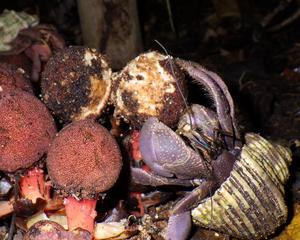
Land hermit crabs were caught on camera snacking on the fruits of a parasitic plant. Since the fruits attach to the animals’ bodies and some seeds even survive passage through the digestive tract, the Kobe University study is the first to document land hermit crabs as both external and internal seed dispersers.
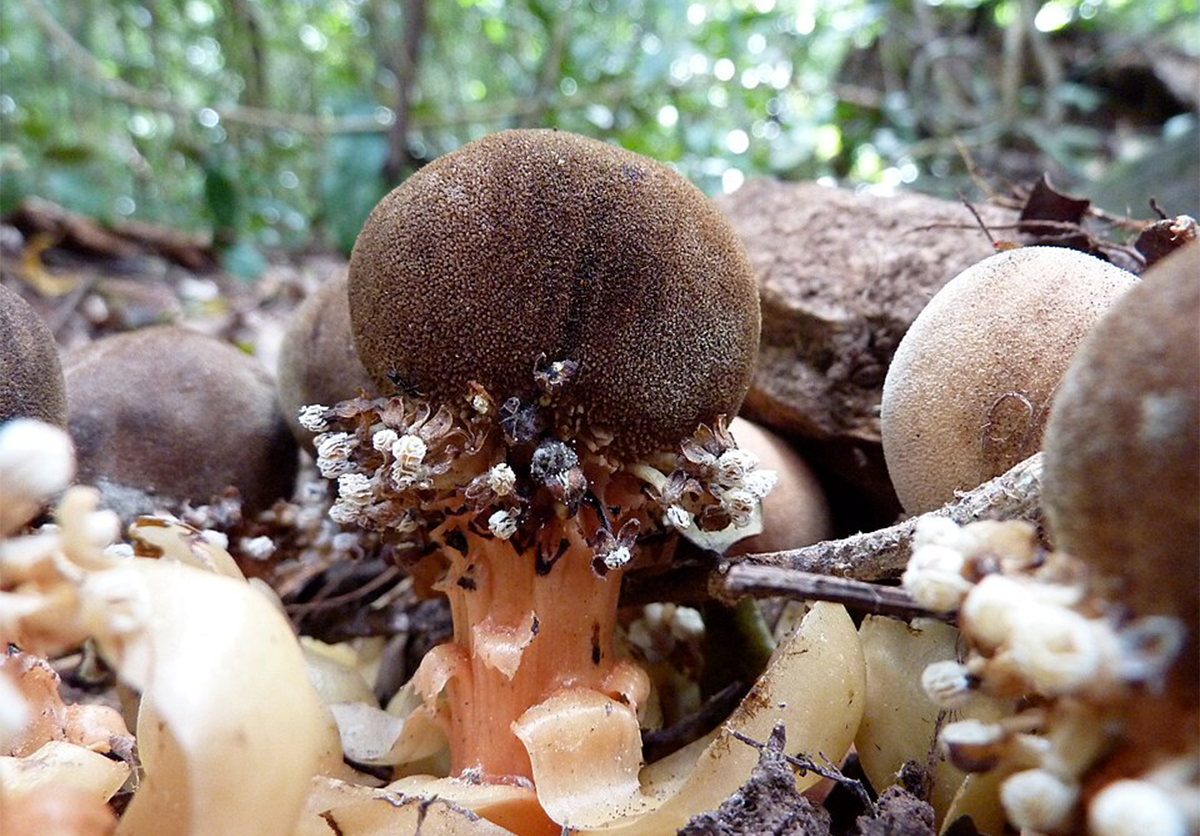
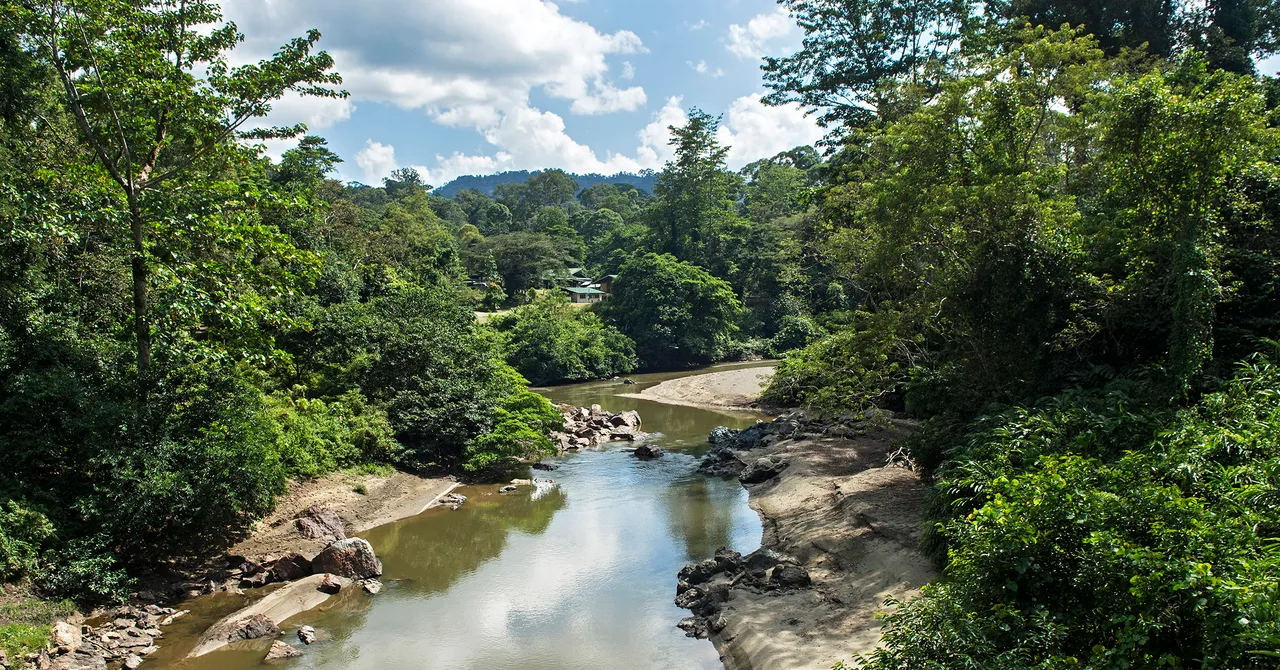
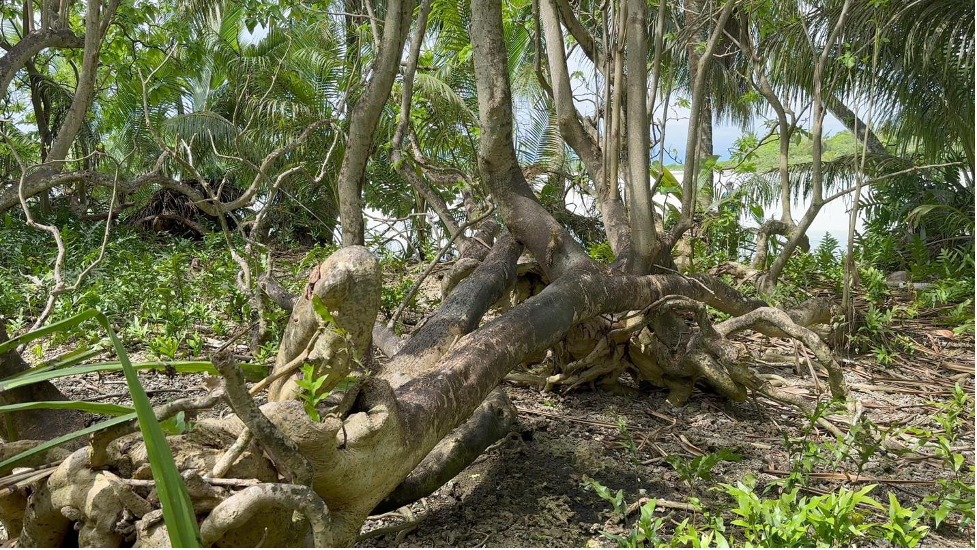
In the coastal forests of a tropical Japanese island near Okinawa, there grows an inconspicuous plant that is easy to mistake for a mushroom. It is a non-green parasite feeding on the roots of other plants and produces up to a million tiny seeds, each covered in a minuscule, dry fruit. The seeds, in particular, present a mystery to scientists: How do they get dispersed? “Many people assumed that they simply fall by gravity and are carried away by the wind, but the humid and windless forest floor makes this seem rather implausible,” says Kobe University botanist SUETSUGU Kenji.
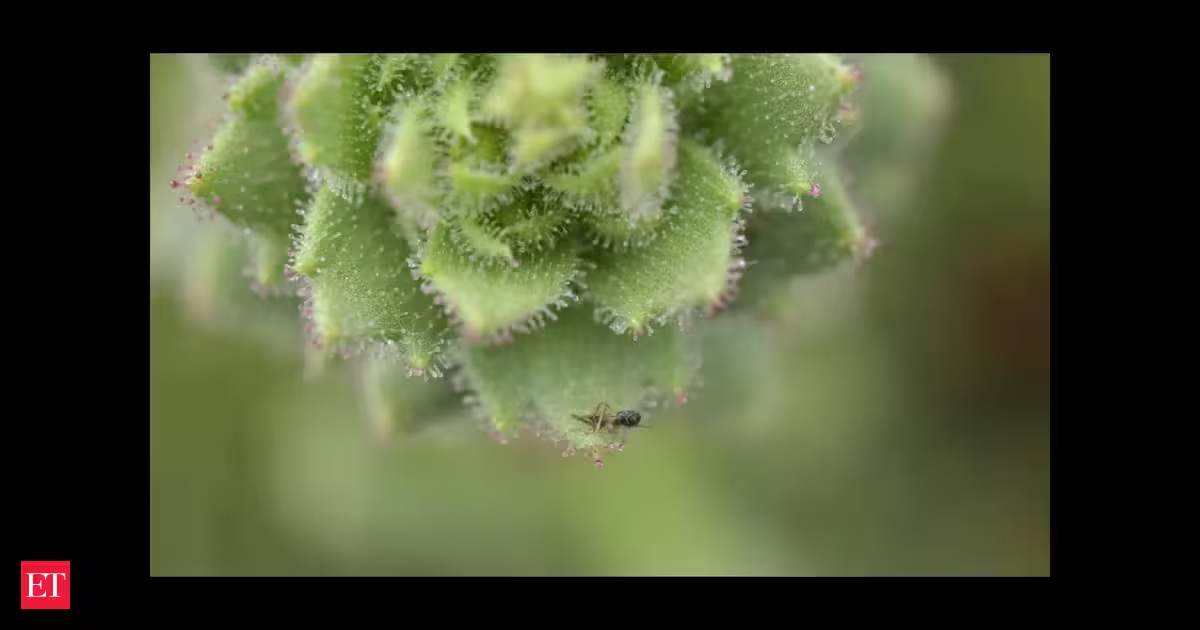
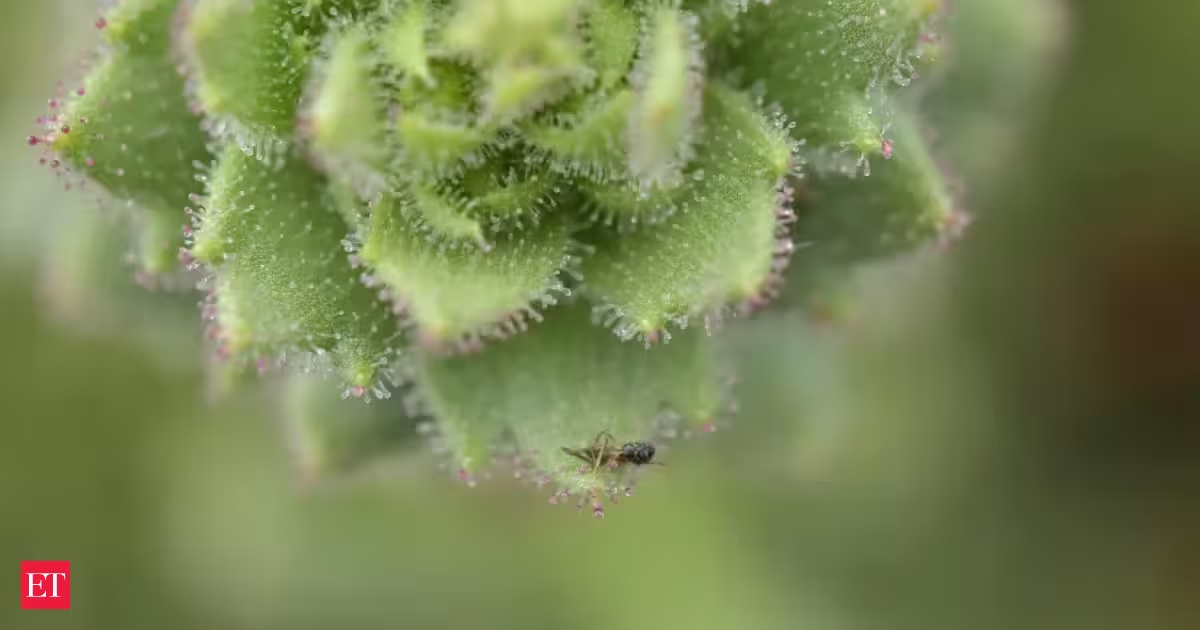
His previous studies showed that the fruits of plants in the family Balanophoraceae, with their dull coloration and yeasty scent, are in fact dispersed by invertebrates such as ants, crickets, and cockroaches, with plants whose fruits are firmly attached being visited by insects with stronger mandibles, and those with easily detachable fruits being visited by smaller invertebrates. Balanophora fungosa, too, has dull colors, a yeasty scent and easily detachable fruits, so Suetsugu suspected the dispersers to be ants. But when he covered the plants with nets that let through ants but not larger animals, he found that the plant’s fruits were no longer picked up. So, the Kobe University researcher set up time-lapse cameras to observe who the real disperser was.