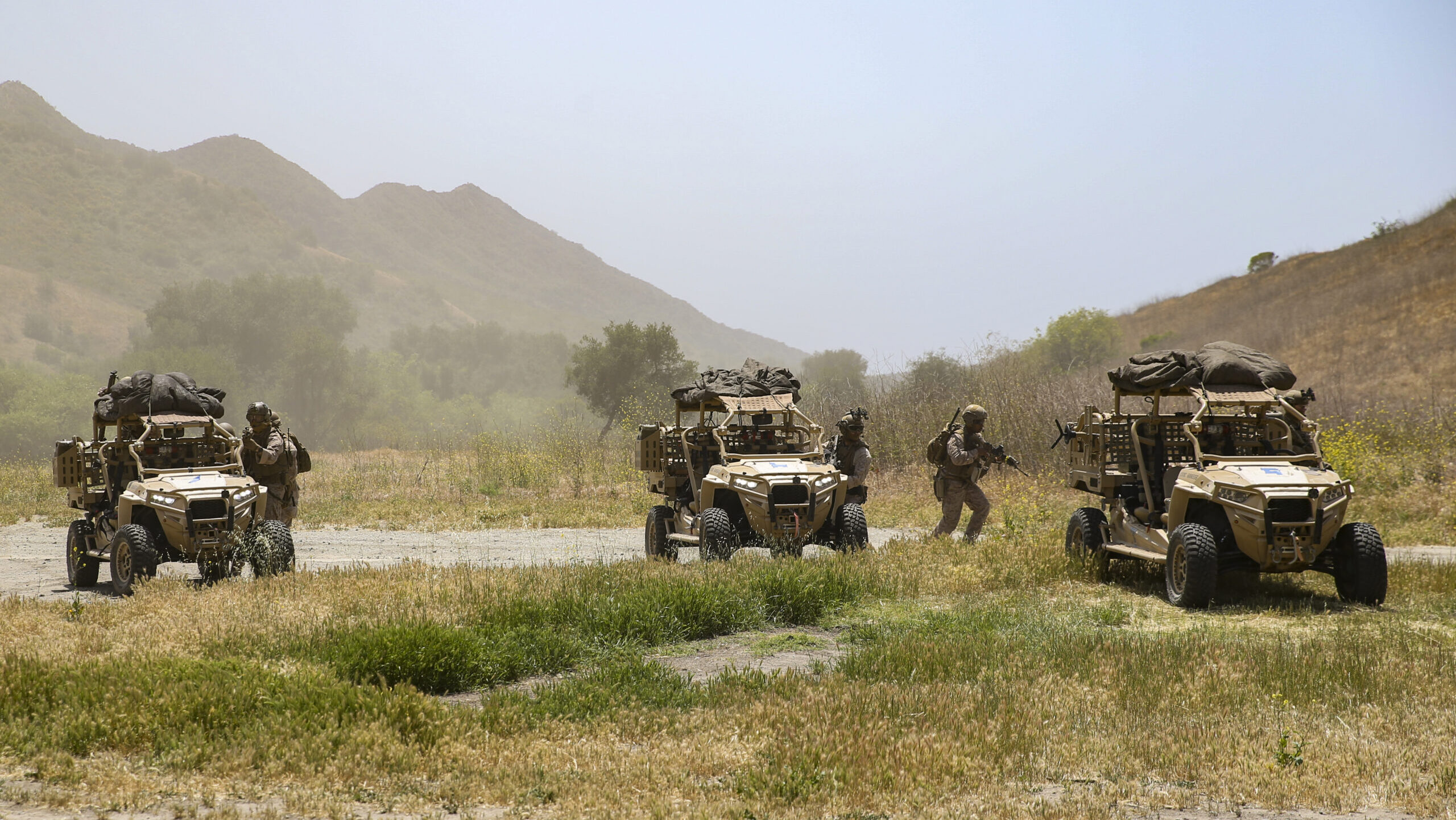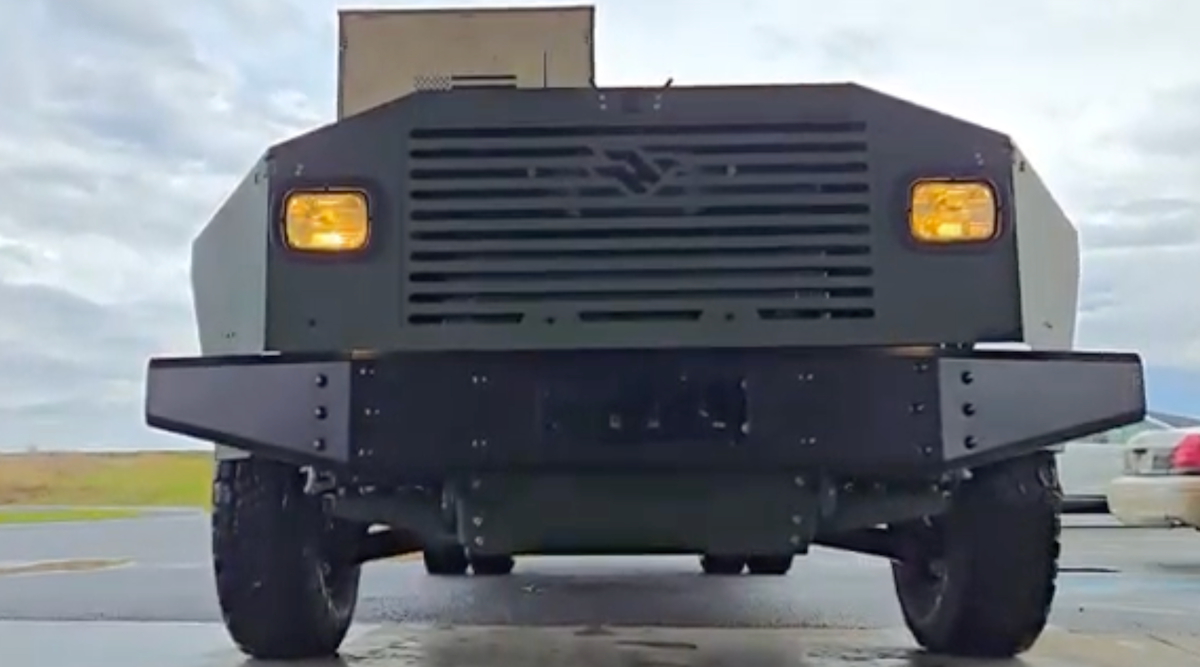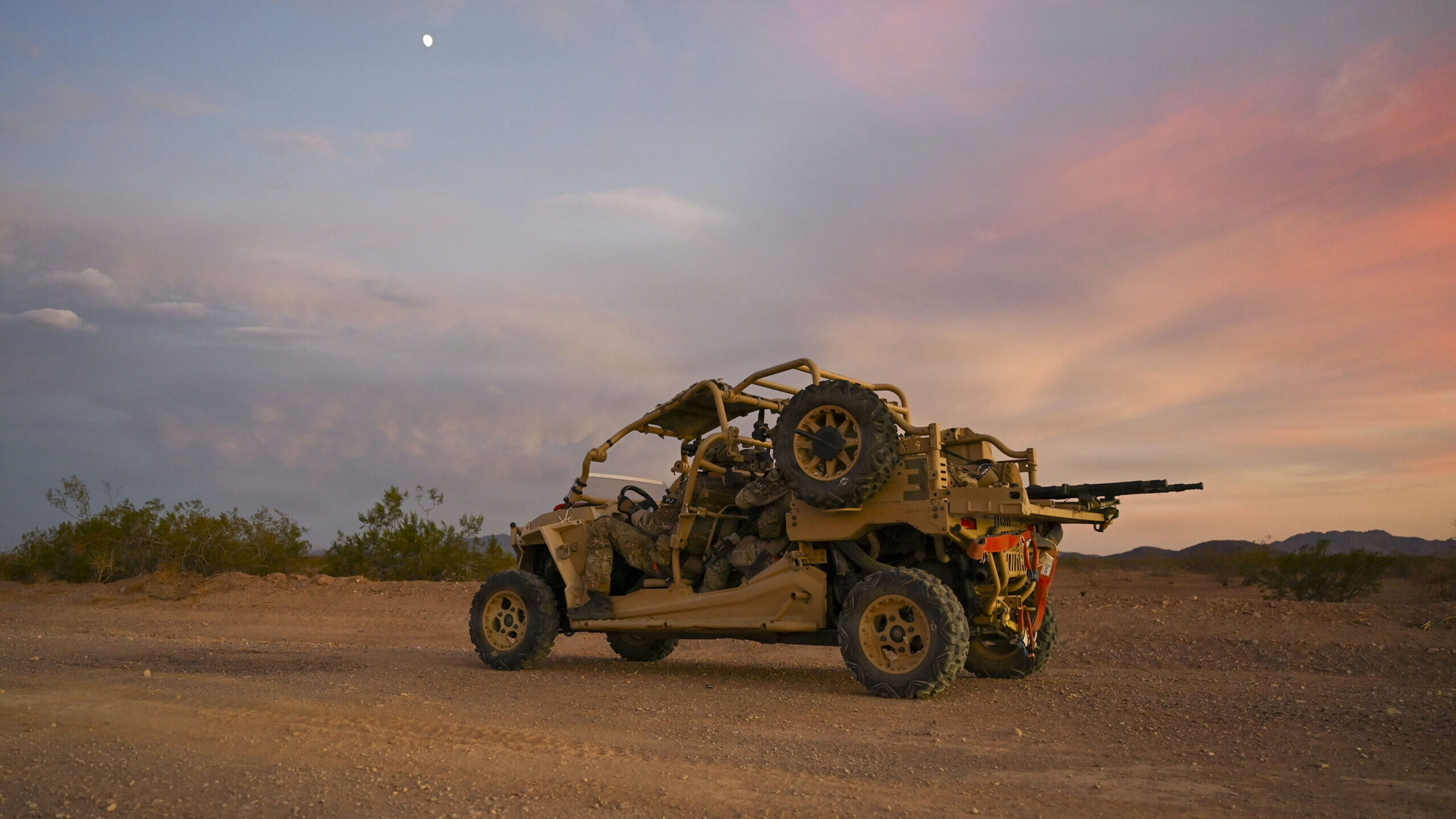
U.S. Air Force pararescueman assigned to the 57th Rescue Squadron based out of Aviano Air Base, Italy, sit in a Polaris MRZR during Exercise Savage Jackal near Tucson, Arizona, July 24, 2026. (U.S. Air Force photo by Staff Sgt. Jenna A. Bond)
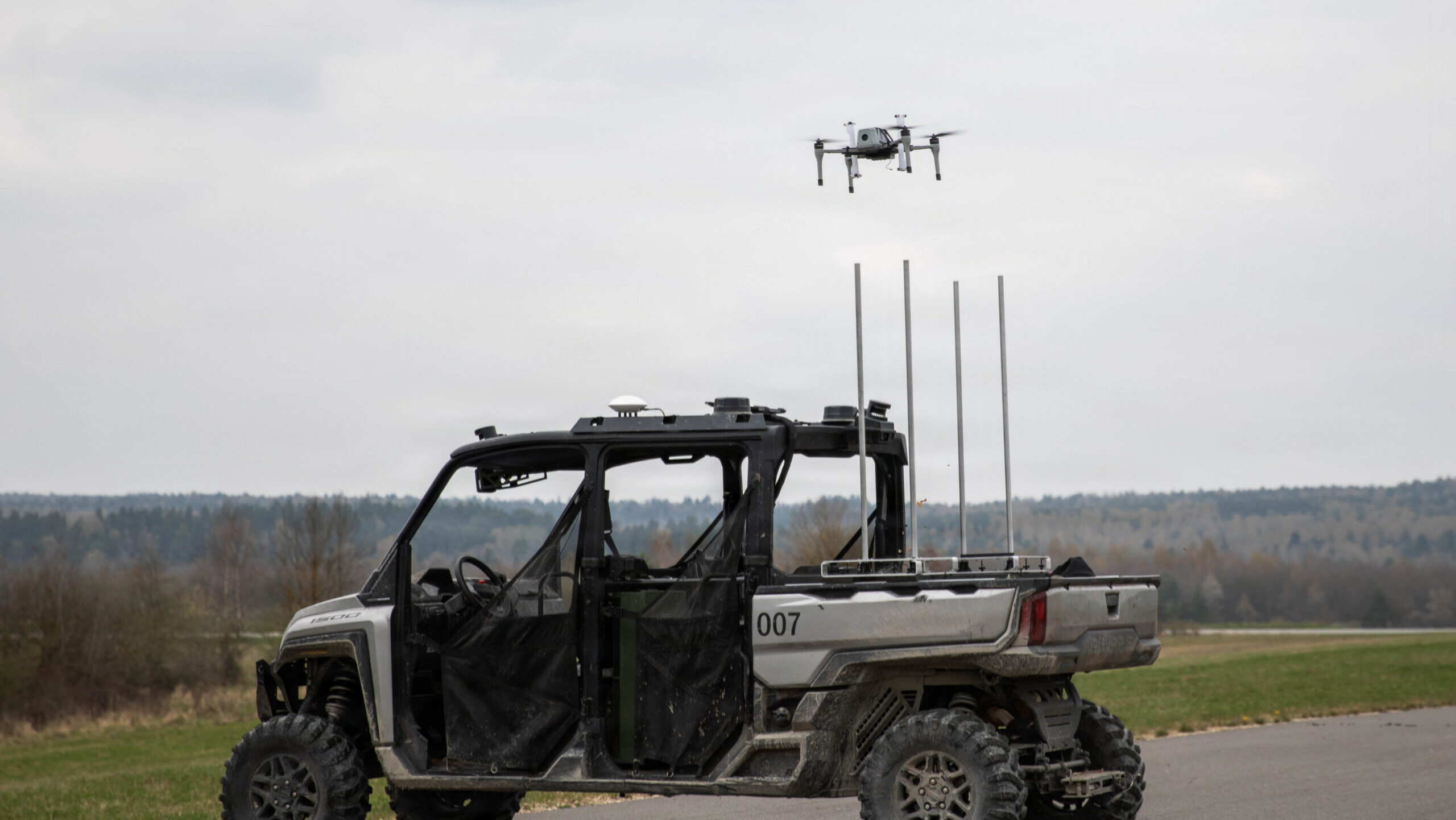
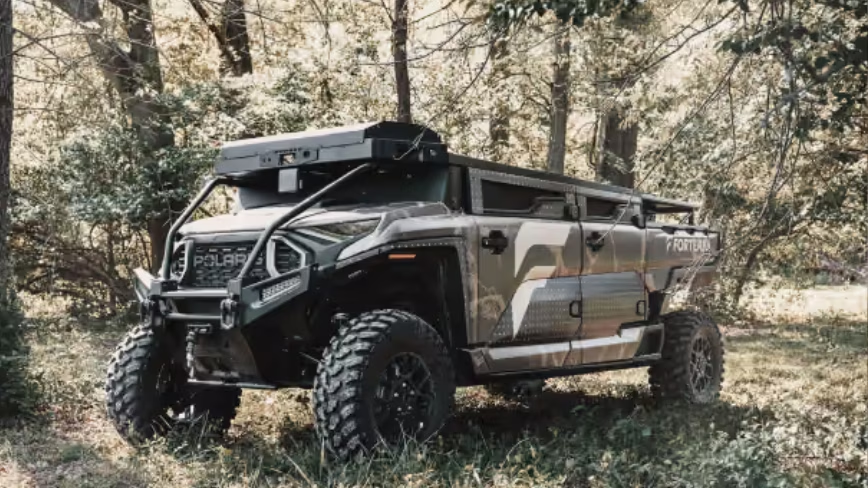
DETROIT — Months after the Army said it was restructuring its Unmanned Systems (UxS) autonomy program, a service official said today that the Army is swapping out Infantry Squad Vehicles (ISVs) for Polaris’ MRZR platforms.
“The important thing here is continuing what the RACER program started, which was like, ‘What’s the best you can do in off-road autonomy?”’ Michael Rose, the chief technology officer for CPE Mission Autonomy said. RACER is a former DARPA program that developed autonomy software stacks enabling Army and Marine Corps unmanned ground vehicles to maneuver on off-road terrain.
Rose explained that now CPE Mission Autonomy has created an “environment” where multiple companies can use the same “base platform,” as the MRZRs to test their autonomy stacks on, so the service can “get a true head-to-head comparison of where the industry is right now,” he continued. (The UxS ISV competition also had one “base platform.”)
As Breaking Defense reported last fall, the Army scrapped its earlier plans to spruce up ISVs with off-road driving autonomy software provided by Forterra, Overland AI and Scout AI through prototype contracts. Instead, “[b]ased on the changing technology environment,” the Army decided to allow UxS software vendors to select their “preferred robotic platforms rather than using the Infantry Squad Vehicle (ISV) as a surrogate,” a spokesperson told Breaking Defense at the time. But today Rose told Breaking Defense on the sidelines of the GVSETS Conference that the service has completely ended using ISVs and is now solely using MRZRs to test off-road autonomy.