Support CleanTechnica's work through a Substack subscription or on Stripe.
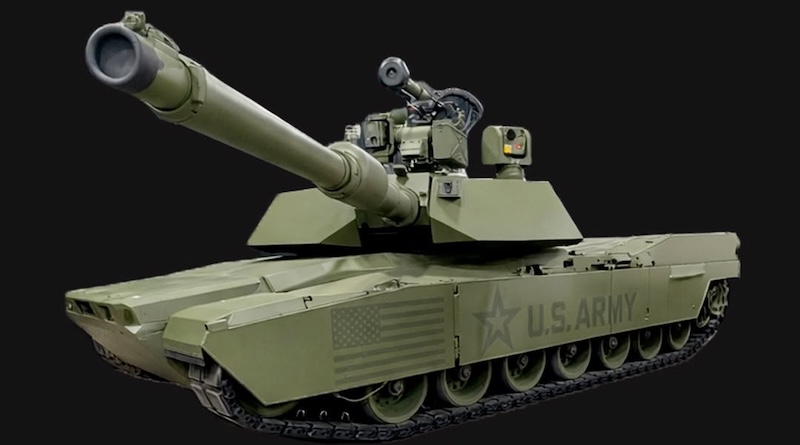
The US Army has been cautiously dipping a toe into the vehicle electrification field since the early 2000’s, with little to show for the effort. The momentum seemed to fizzle out entirely after federal energy policy took a sharp U-turn last year. However, the idea of pairing EVs with gas-powered range extenders may still have legs.
EVs And Range Extenders
Range extenders have become a familiar feature in the civilian EV field. First pioneered in force in 2009 by General Motors with its short-lived Chevy Volt, the idea is to pair the advantages of electric drive with the security blanket of a gas tank. The powertrain is electric, with the tank called into play to run a generator as needed (see lots more Volt background here).
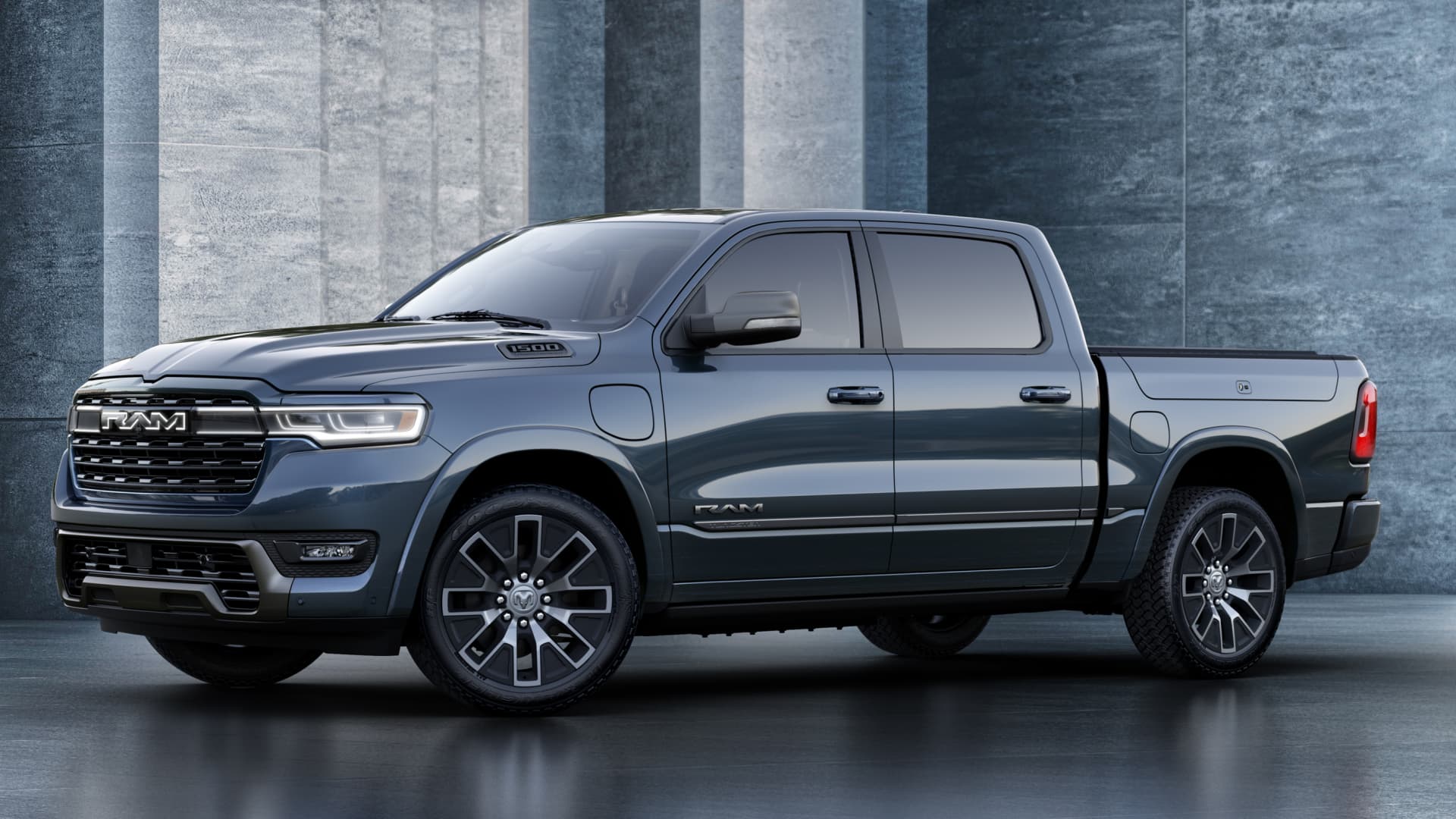
More recently, automakers have fallen back on EREV (extended-range electric vehicles) to attract EV-curious car buyers who need, or think they need, to visit a gas station every once in a while. The Scout Motors branch of Volkswagen comes to mind. The Scout venture launched in 2024 with pitch for 100% battery-powered vehicles, but last fall it reported that the majority of its reservations ask for the range extension option.