Story audio is generated using AI
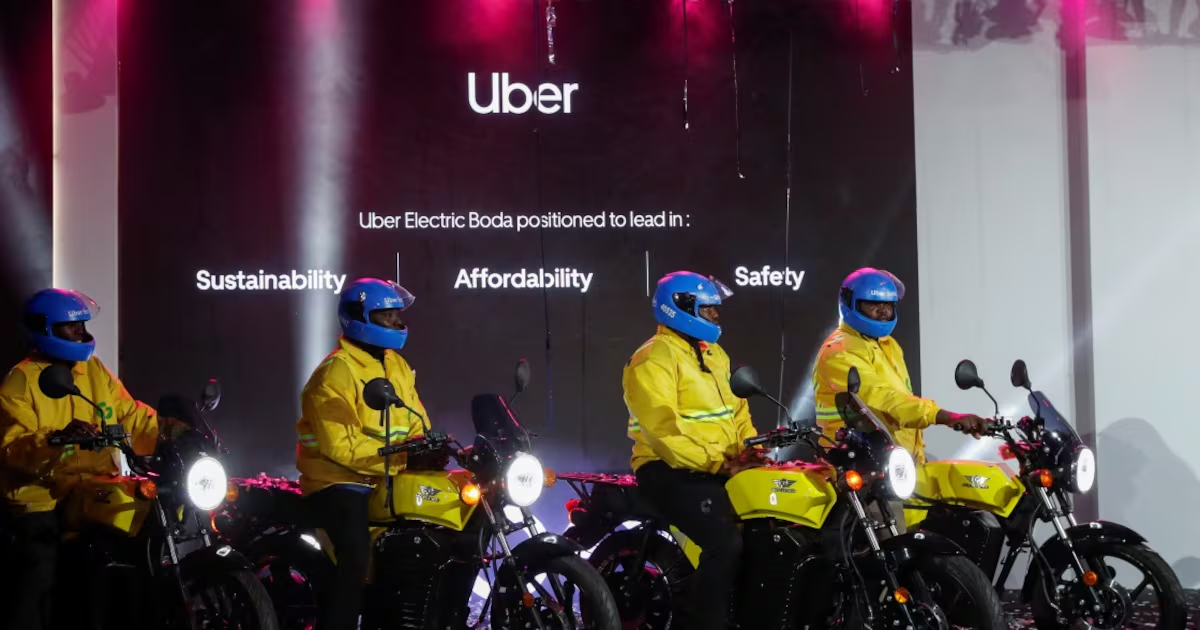
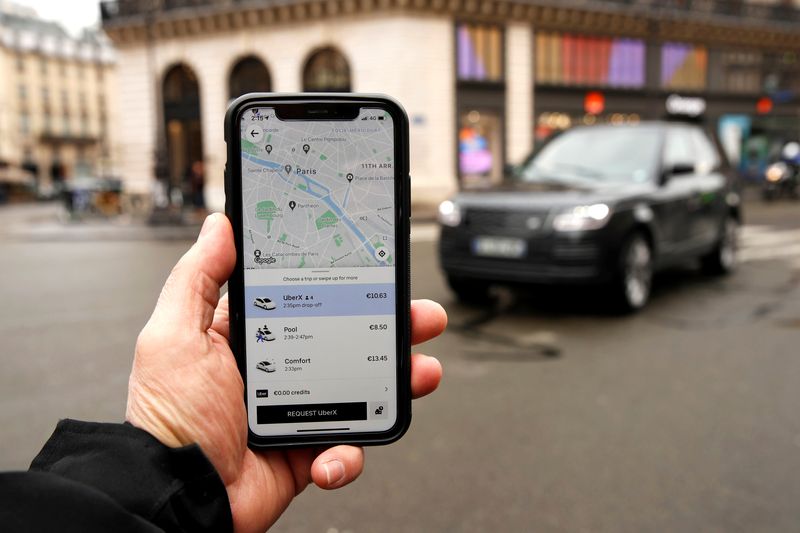
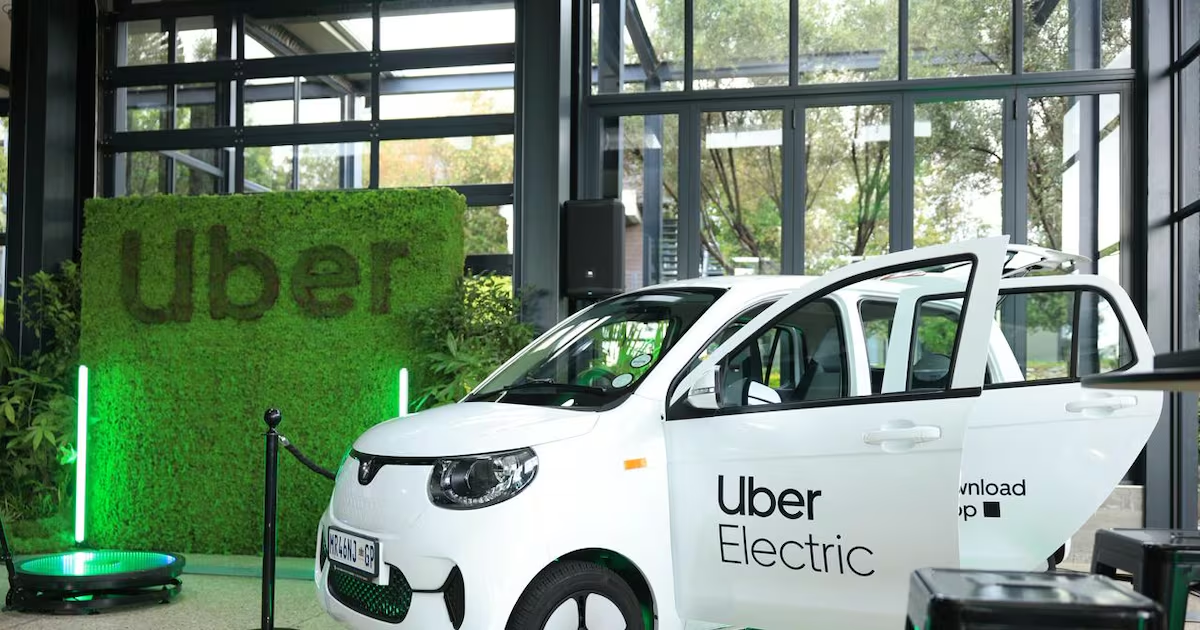
The world’s largest ride-hailing platform has moved to cut its popular Uber X product in South Africa to simplify offerings to its customers. For now, it is unclear whether customers will continue to have access to the company’s cheapest options, “Moto”, using motorcycles, and “Electric”, which makes use of electric vehicles. Uber did not respond when asked if these options will remain. In an email sent to select customers, the company said that from September 1, “We’re officially saying goodbye to the classic product to make way for a simpler, more tailored lineup. Whether you’re looking for an everyday budget saver or a bit of extra legroom, we’ve upgraded your options so you can ride exactly how you want to.”The move appears to be a reaction to too many options — Moto, Electric, Go, X, Comfort and Black — a situation usually seen as causing confusion for customers. Uber launched its operations locally in 2013 and is the biggest player in South Africa, with operations in 24 towns and cities, including Cape Town, Durban, Joburg, Pretoria and Gqeberha. Over the years, the platform has undergone major changes, starting off as an on-demand chauffeur service for high-end customers to where rides are now offered at various price points, with the addition of food and package delivery as well as the ability to move furniture and other large items. Its main rival, Bolt, also offers e-hailing services across various price points. Both companies have benefited mainly from middle-income consumers looking for a more reliable form of daily transport beyond the typical public options. Having firmly established e-hailing as a mainstream transport option, competition has moved to the lower end of the market, where work is being done to capture price-sensitive customers.Until recently, Bolt had been leading this charge, recording its strongest growth in the lower-priced segments, such as “Bolt Lite”, which uses Bajaj Qutes: compact, fuel-efficient quadricycles (not cars) designed for affordable, eco-friendly first/last-mile transport. Under Deepesh Thomas, its recently appointed GM for Sub-Saharan Africa, Uber has launched two offerings in response, first with the motorcycle-based Uber Moto and most recently with Uber Electric, which uses light electric vehicles for cheaper rides. The third player, InDrive, has centred its strategy mainly on affordability. It uses a peer-to-peer fare-negotiation system in which passengers propose a price and drivers can accept, decline or make a counter-offer, rather than relying on fixed, algorithm-driven pricing like its competitors. The company argues this “bid-and-accept” model gives both sides greater flexibility and control.This comes as Bolt is exploring a private chauffeur service and other high-end categories for business professionals who want a luxury experience in South Africa.The country is estimated to be home to about 100,000 e-hailing drivers and more than 2-million passengers.Business Day