Ancient people of Colombia used collective labor to build a massive canal network that spans 2,000 square miles, a discovery that challenges the assumption that colossal works require top-down hierarchical social organization, reports a study published on Monday in Communications Sustainability.
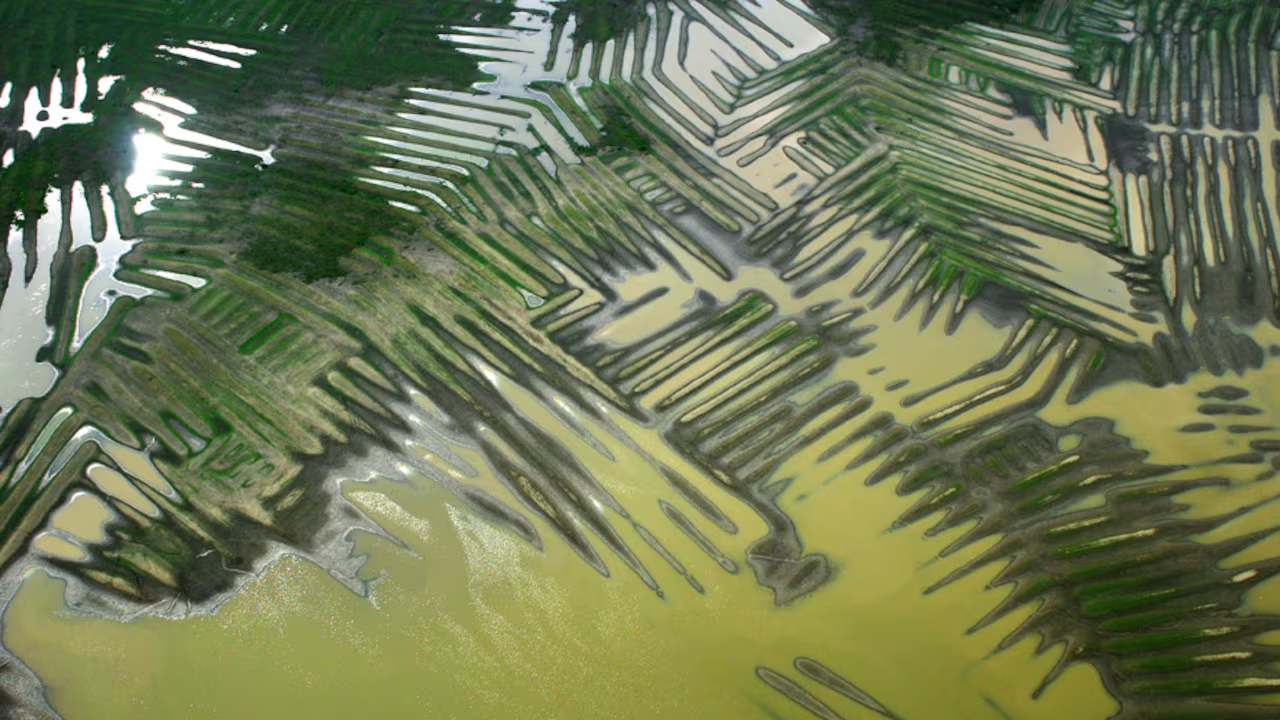
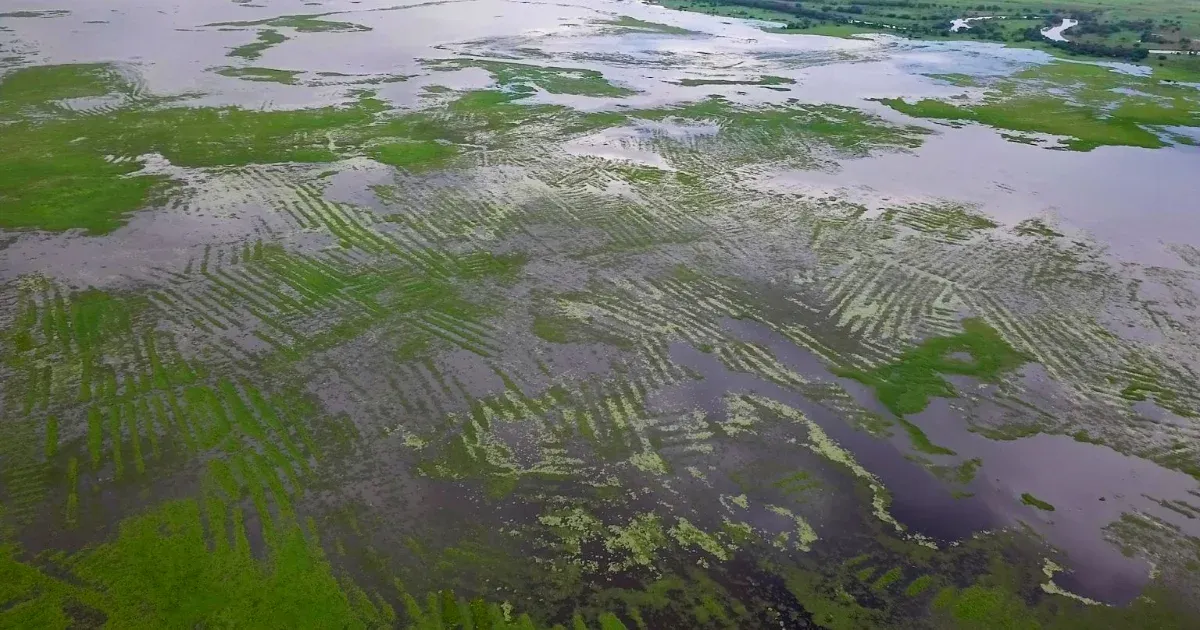
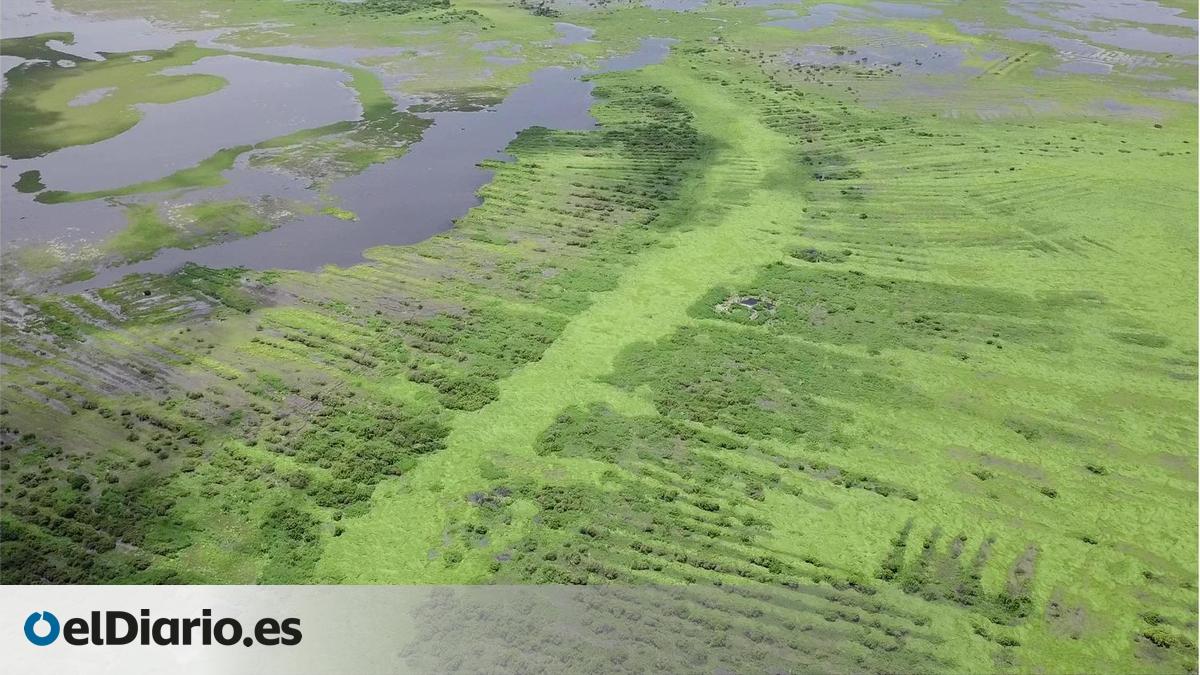
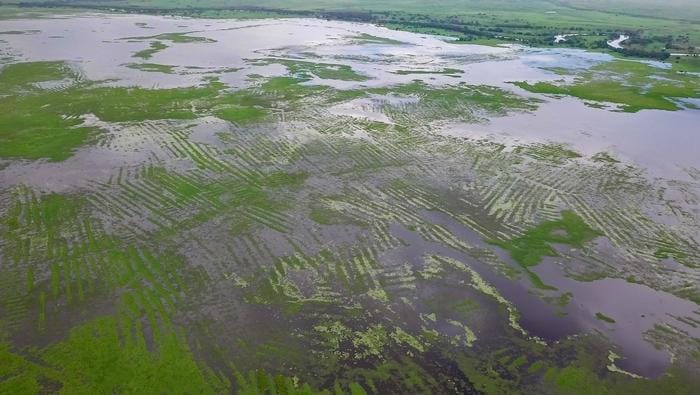
From the first century BC to the 11th century, Colombian peoples living in the La Mojana lowlands sculpted their wetland environment by building raised fields, ridges, and canals, which are today referred to as the Zenú hydraulic systems after the culture that built them. These multipurpose structures absorbed water during heavy rains and released it during dry seasons, creating a water management system that prevented both flooding and droughts. The vast network also provided water to communities for plant cultivation and access to fish.
For years, researchers have debated whether the immense work was built through top-down social organization at the direction of elite leaders, or if people could have collectively labored to construct it through bottom-up organization.
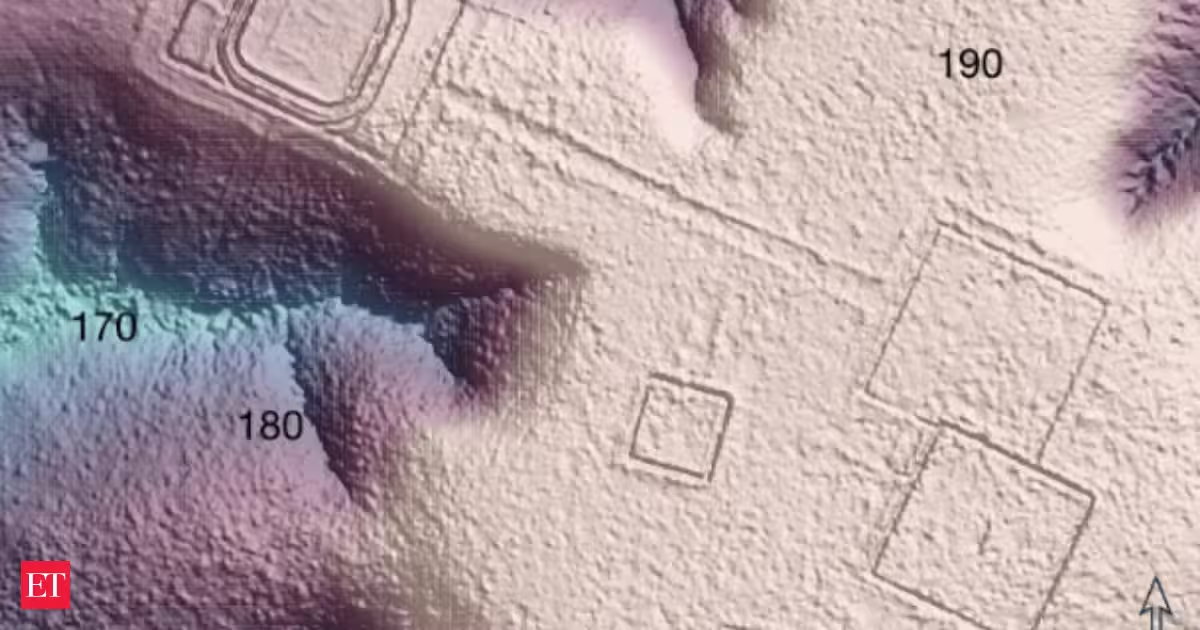
Now, a team of scientists has used satellite imagery to map a 1,200-acre patch of the system in unprecedented detail. With that sample, they built a model to estimate the population and labor costs of construction in that area. Assuming that about 1,600 people inhabited this area and half of them were part of the workforce, the structures could have been built in under six weeks, about half the dry season, which is a low labor cost that would not have required top-down organization.