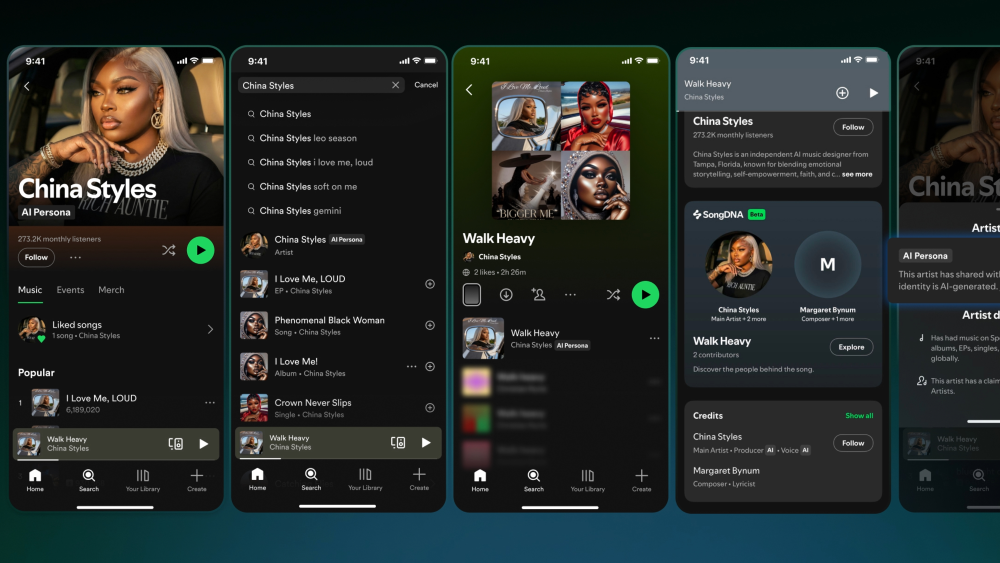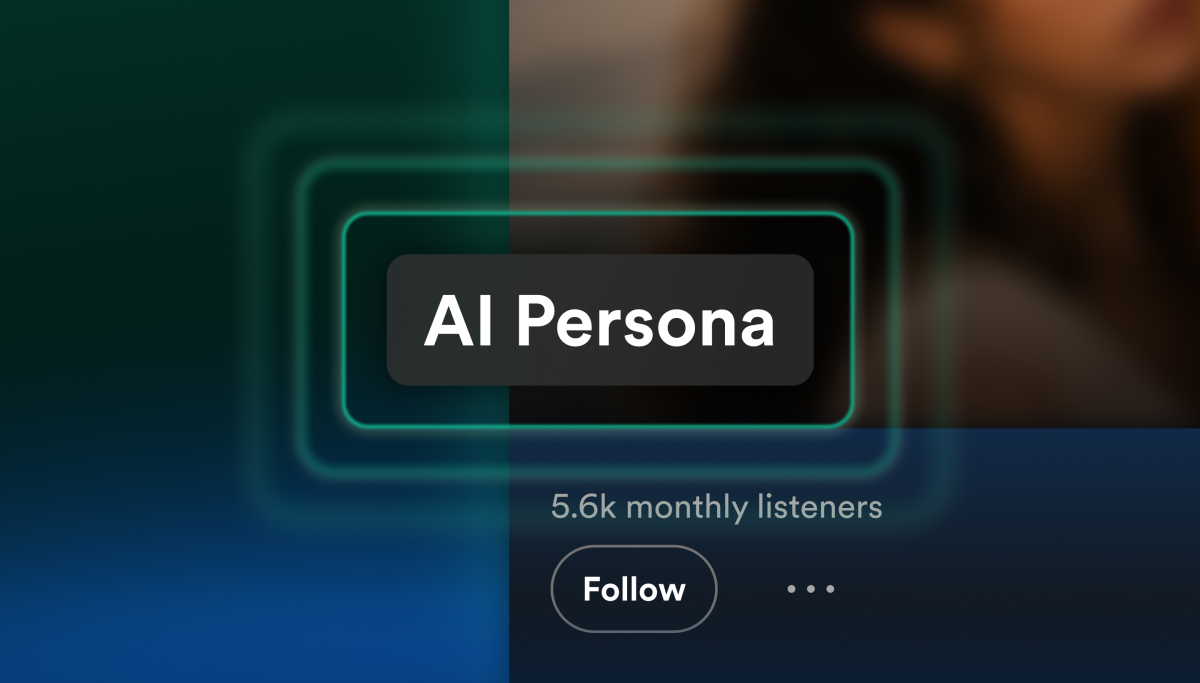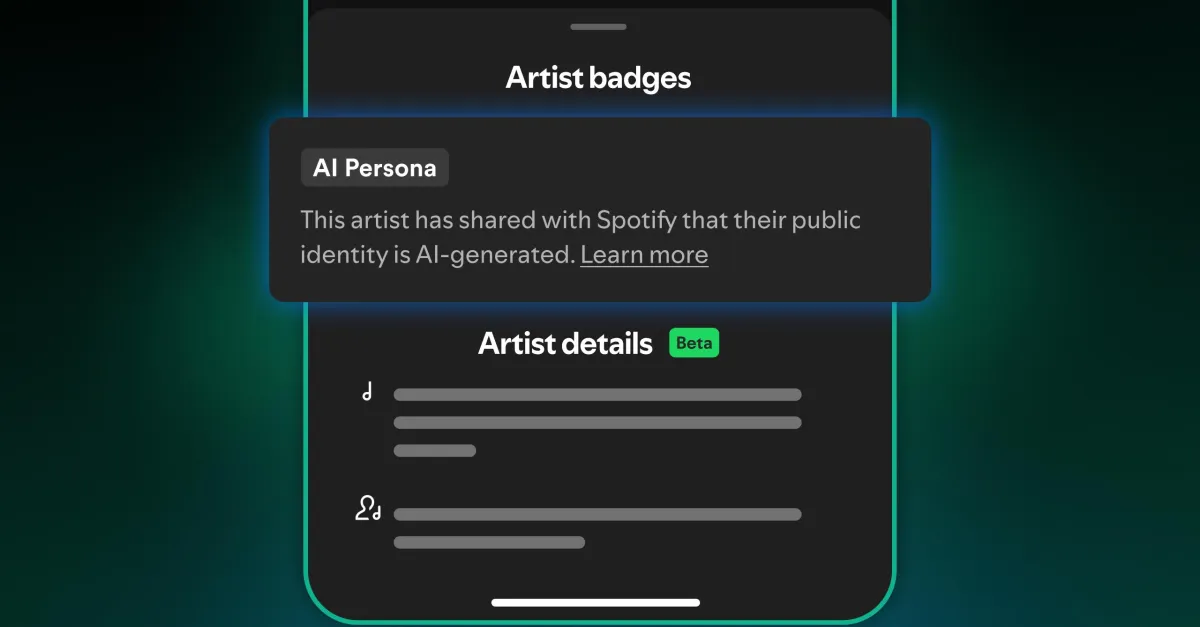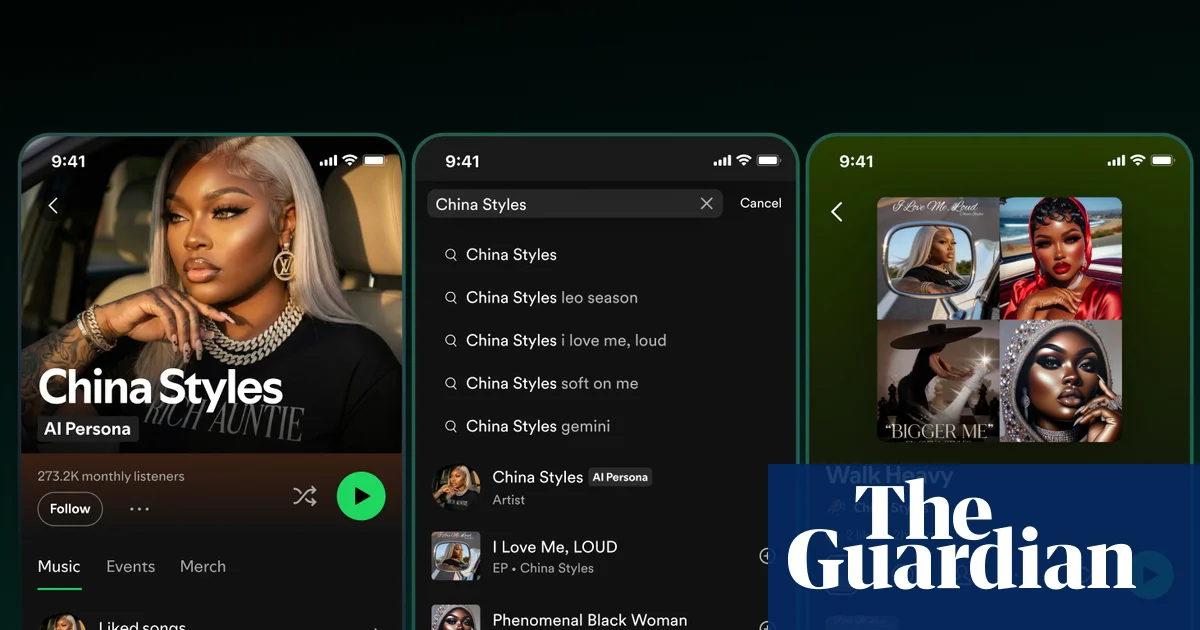
Skip to Content News Archives Economy Energy Oil & Gas Renewables Electric Vehicles Mining Commodities Agriculture Real Estate Mortgages Mortgage Rates Finance Banking Insurance Fintech Cryptocurrency Work Wealth Smart Money Wealth Management Investor Personal Finance Family Finance Retirement Taxes High Net Worth FP Comment Executive Women Puzzmo Newsletters Financial Times Business Essentials More Innovation Information Technology FP500 Podcasts Small Business Lives Told Tails Told Shopping Financial Post Store Obituaries Place a Notice Advertising Advertising With Us Advertising Solutions Postmedia Ad Manager Sponsorship Requests Classifieds Place a Classifieds ad Working Profile Settings My Subscriptions Saved Articles My Offers Newsletters Customer Service FAQ News Economy Energy Mining Real Estate Finance Work Wealth Investor FP Comment Executive Women Puzzmo Newsletters Financial Times Business Essentials HomeInformation TechnologyRetail & MarketingSpotify asks artists to disclose whether they’re humans or AIThe music industry has been wrestling with the pros and cons of AI that can create professional-sounding songs in secondsAuthor of the article: You can save this article by registering for free here. Or sign-in if you have an account.Spotify has been rolling out a suite of AI-related products, including AI Credits, which allows artists to identify how they used AI in their work. Photo by RODRIGO OROPEZA/AFP via Getty ImagesSpotify Technology SA will soon begin identifying artist profiles created by artificial intelligence with a new “AI Personas” label in an effort to bring more transparency to listeners about who’s behind the music.Subscribe now to read the latest news in your city and across Canada.Exclusive articles from Barbara Shecter, Joe O'Connor, Gabriel Friedman, and others.Daily content from Financial Times, the world's leading global business publication.Unlimited online access to read articles from Financial Post, National Post and 15 news sites across Canada with one account.National Post ePaper, an electronic replica of the print edition to view on any device, share and comment on.Daily puzzles, including the New York Times Crossword.Subscribe now to read the latest news in your city and across Canada.Exclusive articles from Barbara Shecter, Joe O'Connor, Gabriel Friedman and others.Daily content from Financial Times, the world's leading global business publication.Unlimited online access to read articles from Financial Post, National Post and 15 news sites across Canada with one account.National Post ePaper, an electronic replica of the print edition to view on any device, share and comment on.Daily puzzles, including the New York Times Crossword.Create an account or sign in to continue with your reading experience.Access articles from across Canada with one account.Share your thoughts and join the conversation in the comments.Enjoy additional articles per month.Get email updates from your favourite authors.Create an account or sign in to continue with your reading experience.Access articles from across Canada with one accountShare your thoughts and join the conversation in the commentsEnjoy additional articles per monthGet email updates from your favourite authorsSign In or Create an AccountorThe world’s largest music streaming service said it wants customers to know which artists are real humans and which ones are artificial. The company won’t recommend songs from these AI Personas in suggested playlists unless listeners specifically choose to receive them.Starting Aug. 11, Spotify will allow artists to identify themselves as AI-generated. The labels will begin appearing on artist profiles starting in mid-September. Spotify will also root out profiles it suspects represent “photorealistic AI-generated identities” if they weren’t self-reported, and users can flag artists they think were AI-generated. Artists who believe they were mislabelled will have a chance to appeal.Get the latest headlines, breaking news and columns.By signing up you consent to receive the above newsletter from Postmedia Network Inc.A welcome email is on its way. If you don't see it, please check your junk folder.The next issue of Top Stories will soon be in your inbox.We encountered an issue signing you up. Please try again“Listeners have been clear in telling us that they don’t like seeing an artist profile that seems human, only to find out that the persona is AI-generated,” the company said in announcing the initiative on Tuesday. “Listeners need to be able to trust that the artist behind the music is who they say they are. That’s more essential than ever in the age of generative AI.”While much of the music on these AI Persona profiles is likely also generated by AI, the intention of the label is less about the songs and more about ensuring consumers know whether artists are humans or not. Last year, for example, a fake band called the Velvet Sundown sparked a debate about transparency when streams of the group’s music took off and the creators distributed AI-generated photos of the imaginary musicians.The music industry has been wrestling with the pros and cons of the new technology that allows musical novices to create professional-sounding songs in seconds. Spotify has been rolling out a suite of AI-related products, including AI Credits, which allows artists to identify how they used AI in their work.“Although there’s a broad spectrum in how artists use AI as a creative tool, the question of whether a profile represents an actual human is one where Spotify can help make a clear determination,” the company said. Join the Conversation This website uses cookies to personalize your content (including ads), and allows us to analyze our traffic. Read more about cookies here. By continuing to use our site, you agree to our Terms of Use and Privacy Policy.
Spotify asks artists to disclose whether they’re humans or AI
Spotify Technology SA will soon begin identifying artist profiles created by artificial intelligence with a new “AI Personas” label. Read on
TL;DRAI
Spotify labels AI-generated artist profiles starting Aug. 11 and deprioritizes their tracks in suggested playlists to boost transparency. Move signals industry-wide shift toward AI governance and consumer trust in music streaming as generative tools commoditize song production.
884 words~4 min read