11 August 2026
Growing traffic on inland waterways could offer an opportunity for cutting emissions.
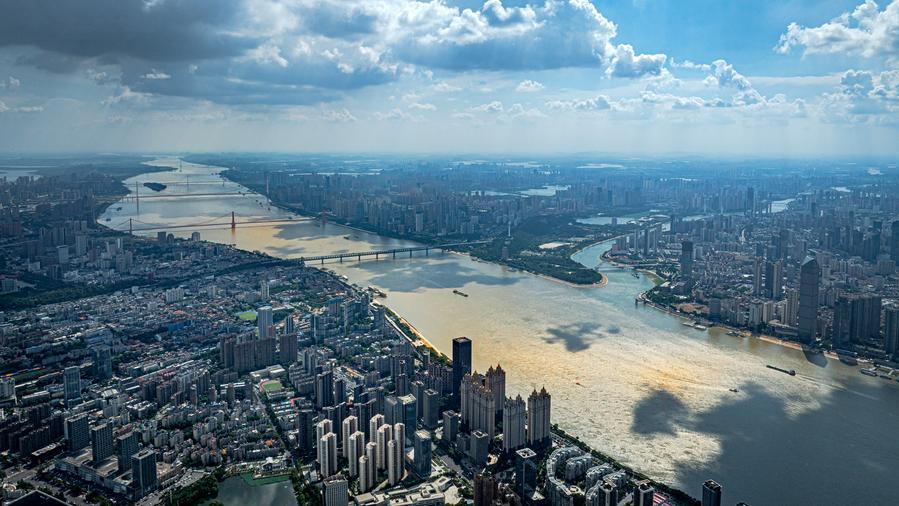
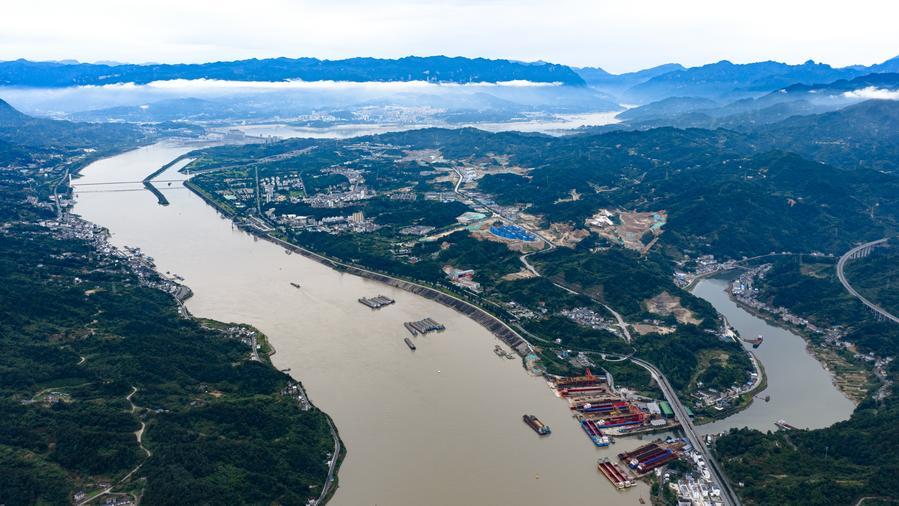
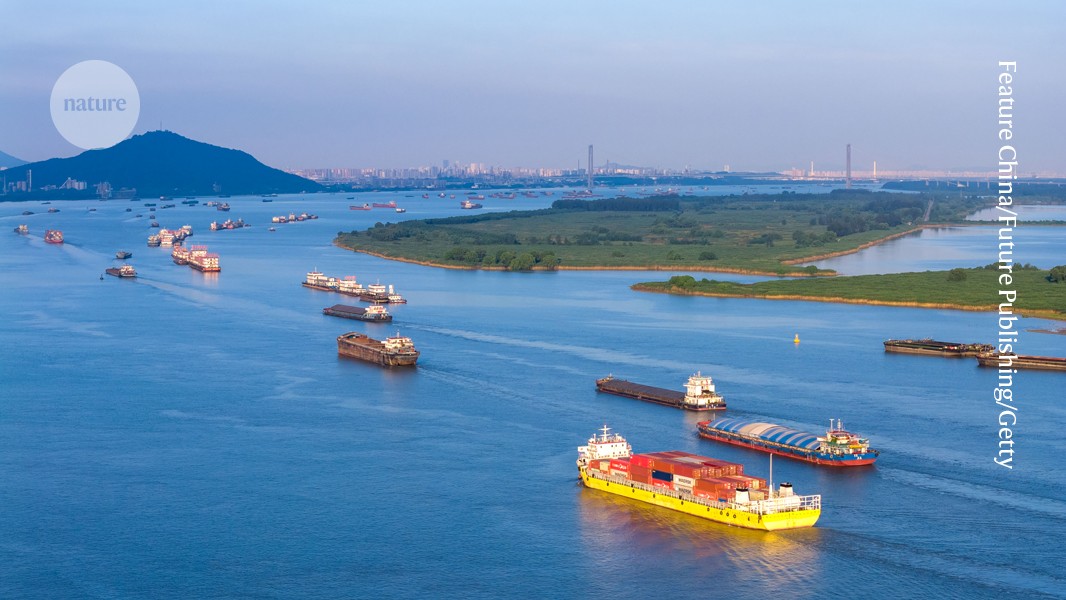
Shipping on China’s Yangtze river and 19 other busy waterways contributed almost 70% of vessel emissions in 2022, a study finds. Credit: Feature China/Future Publishing/Getty
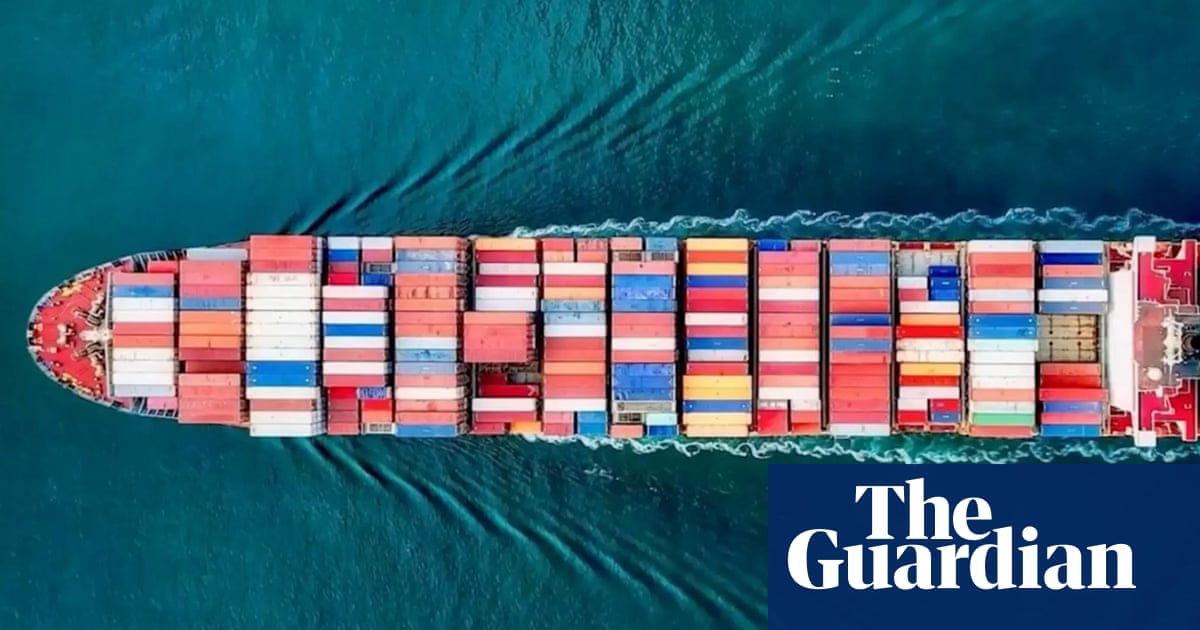
Boats churning along the world’s rivers and other inland waterways accounted for nearly one-quarter of carbon dioxide emissions from shipping in 2022, even though these bodies make up less than 1% of Earth’s navigable waters1.That’s according to an analysis of billions of ship tracking records covering more than 12,000 waterways. By combining these data with information on vessel size and engine type, Dawei Lu at the Chinese Academy of Sciences’ Research Center for Eco-Environmental Science in Beijing and his colleagues estimated the emissions generated by shipping on each waterway.They found that vessels on inland waters emitted about 164 million tonnes of CO2 in 2022, accounting for 24.6% of total shipping emissions that year, an amount approaching one percent of total human emissions. Strikingly, the majority of these emissions came from just 20 big, heavily travelled waterways, such as the Yangtze in China and the Rhine in Europe.Scientists already knew that shipping is responsible for a growing share of total human-generated emissions. But previous inventories that focused on ocean traffic didn’t capture this concentration around busy river corridors. The authors suggest that these hotspot waterways could be effective places to cut emissions through the use of cleaner shipping technology.