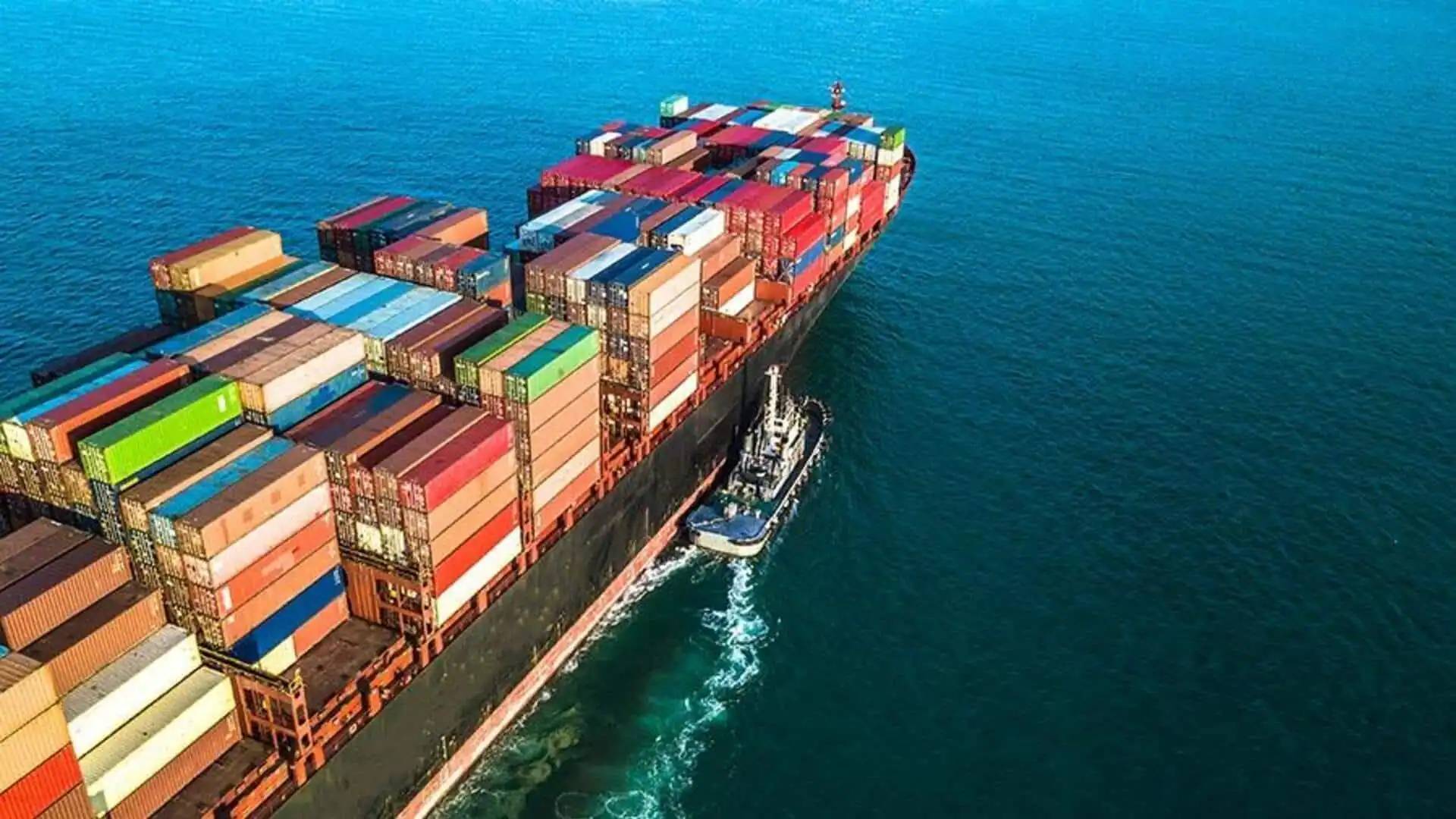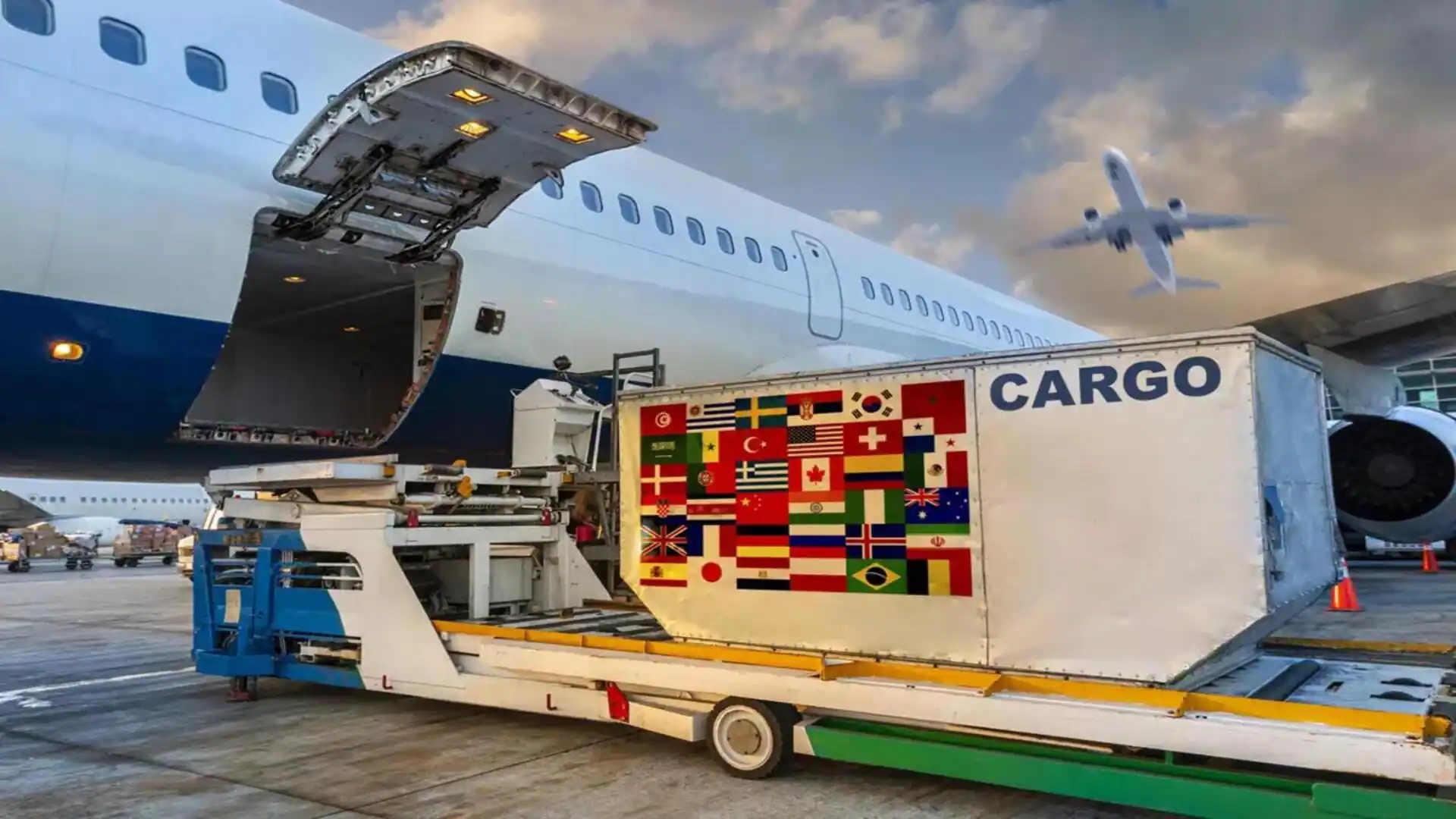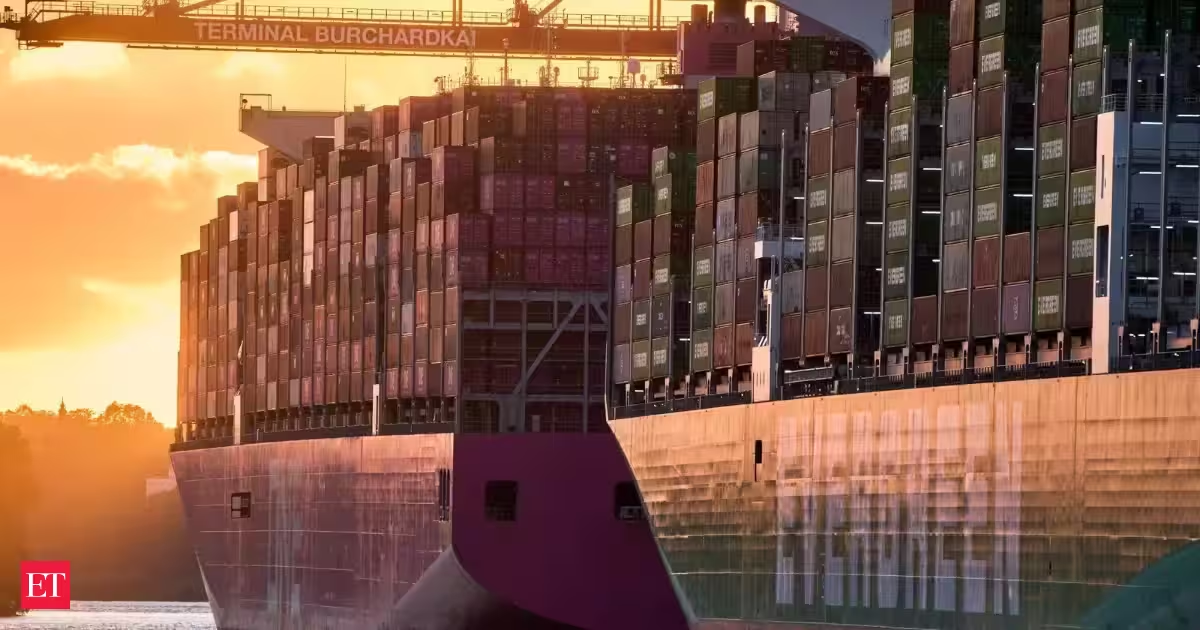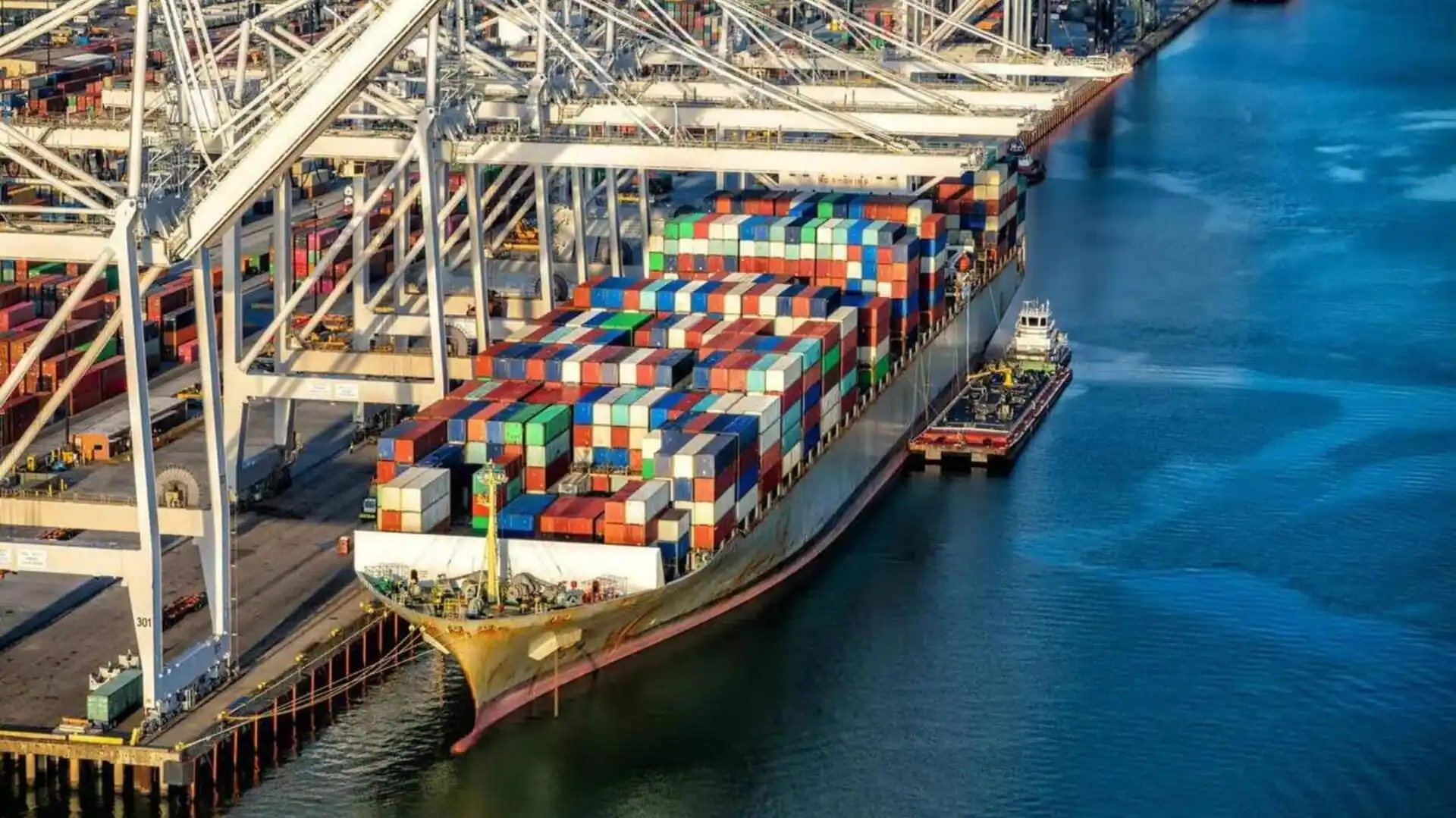
SynopsisShips are increasingly steering clear of the Suez Canal, resulting in port congestion and longer shipping times than usual. Driven by electronic goods, global trade is booming, yet higher freight expenses and increased insurance premiums pose significant challenges. Meanwhile, China’s impressive export growth is straining container availability, adversely affecting surrounding Asian economies. Indian exporters are particularly tasked with overcoming logistical hurdles, underscoring a pressing need for government intervention.Port congestion is rising due to ships avoiding the Suez Canal amid security concerns in the Red Sea. The longer route, via Cape of Good Hope, lengthens transit times and leads to a bunching of arrivals, which adds to the congestion at port infrastructure. Global manufacturing trade is surging, driven by AI components and electronics, despite rising maritime freight costs due to higher insurance premiums and longer routes. China's export volumes are growing briskly despite trade tensions, and it is also front-loading shipments to avoid potential tariff actions by the US. This exerts pressure on global container capacity, depriving other merchandise-exporting economies in Asia.Indian exporters are entering the busy season with shipping constraints. They are also facing local bottlenecks in inland shipping. Goods exports from India have been on a strong growth trajectory in 2025-26, and momentum has continued into Q1 2026-27. Exporters need to step up their logistics game to work around these challenges. They could do with some help from GoI in solving inland shipping constraints. GoI could also seek preferential treatment for Indian cargo at European trans-shipment hubs.The shipping scenario is likely to remain grim for a while as tanker traffic bottled up in the Persian Gulf revives. This does not affect port capacity because oil and gas have dedicated landing facilities in most importing nations. But the extra traffic slows down shipping lanes, and uncertainty over the Strait of Hormuz keeps fuel prices and insurance costs elevated. The global shipping industry is likely to return to structural stability by late 2027, and Indian exporters must hunker down till then. Shipping woes affect all exporters equally, and India is expected to hold on to its comparative advantage. India's exporters can ride out the turbulence with better housekeeping and improved paperwork. The country could also use its growing clout in global trade to secure more favourable access to sea lanes. ...moreElevate your knowledge and leadership skills at a cost cheaper than your daily tea.Subscribe Now
Batten down, ride out shipping storm - The Economic Times
Ships are increasingly steering clear of the Suez Canal, resulting in port congestion and longer shipping times than usual. Driven by electronic goods, global trade is booming, yet higher freight expenses and increased insurance premiums pose significant challenges. Meanwhile, China’s impressive export growth is straining container availability, adversely affecting surrounding Asian economies. Indian exporters are particularly tasked with overcoming logistical hurdles, underscoring a pressing need for government intervention.
394 words~2 min read