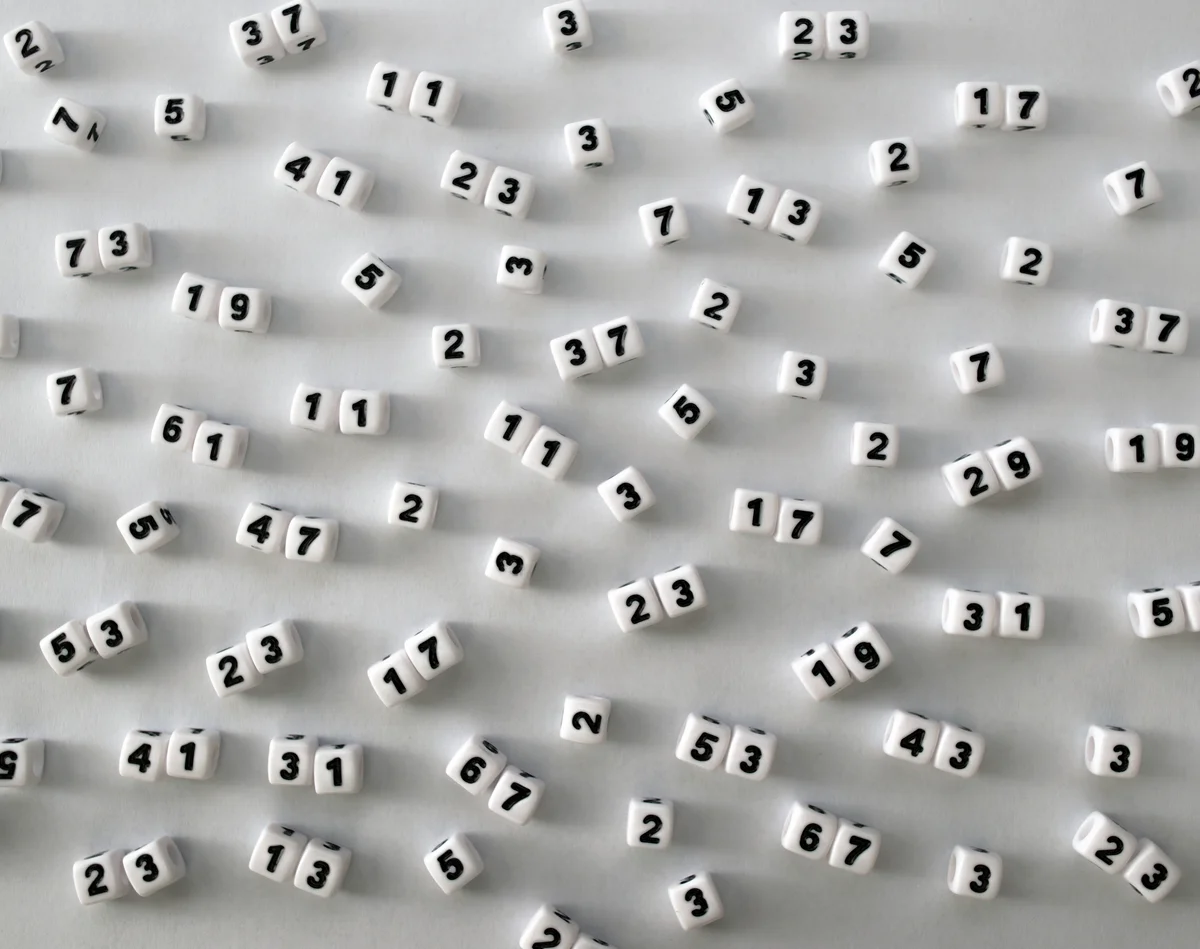
For more than 150 years, the Riemann hypothesis has stood as one of the major unsolved problems in mathematics, a long-running mystery about the distribution of prime numbers. There is currently a $1 million bounty for a working general proof of the hypothesis, which remains unclaimed.
Contemporary AI models still can’t solve it either — but they can make a lot more progress than you might expect, a finding that’s likely to reopen long-standing questions about contemporary AI’s ability to discover new scientific and mathematical ideas.
On Monday, Anthropic announced that an as-yet-unreleased model had made significant progress on the Riemann hypothesis, significantly increasing the lower bound of solutions for which the hypothesis holds true.
Even more impressive is how the progress was made: An Anthropic staff member without significant mathematical training prompted the model to “take a real stab” at proving the hypothesis, then left the model to coordinate the task across the following day and a half.
All told, the model tested 650 different ideas for solving the problem, coordinating across 60 sub-agents and spending 31 million in total.