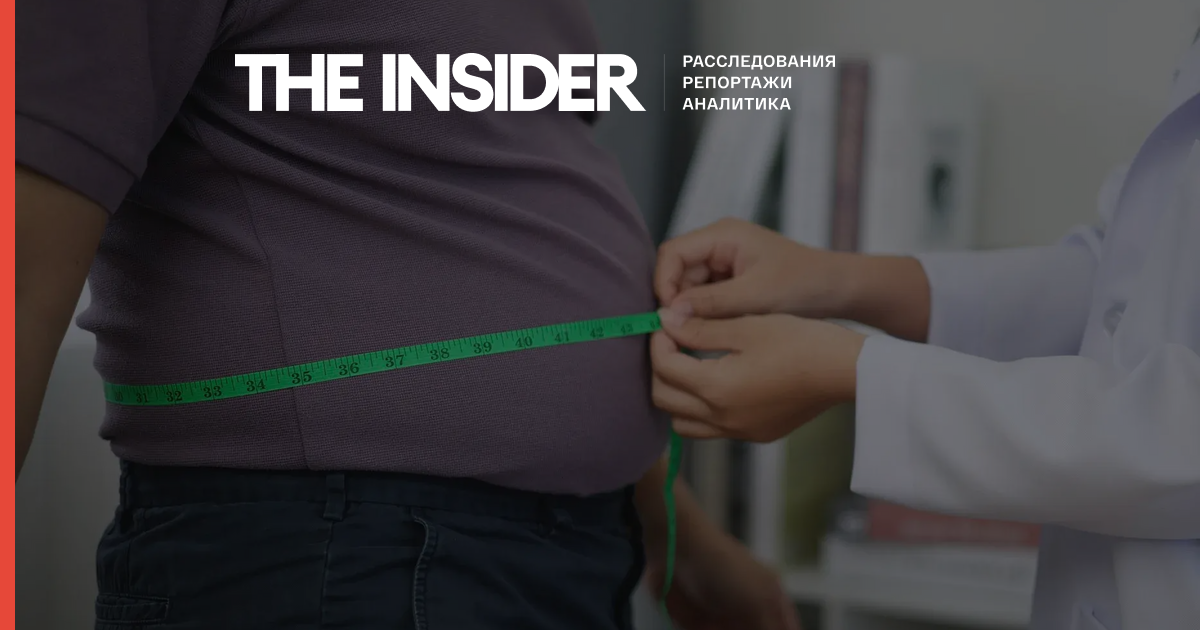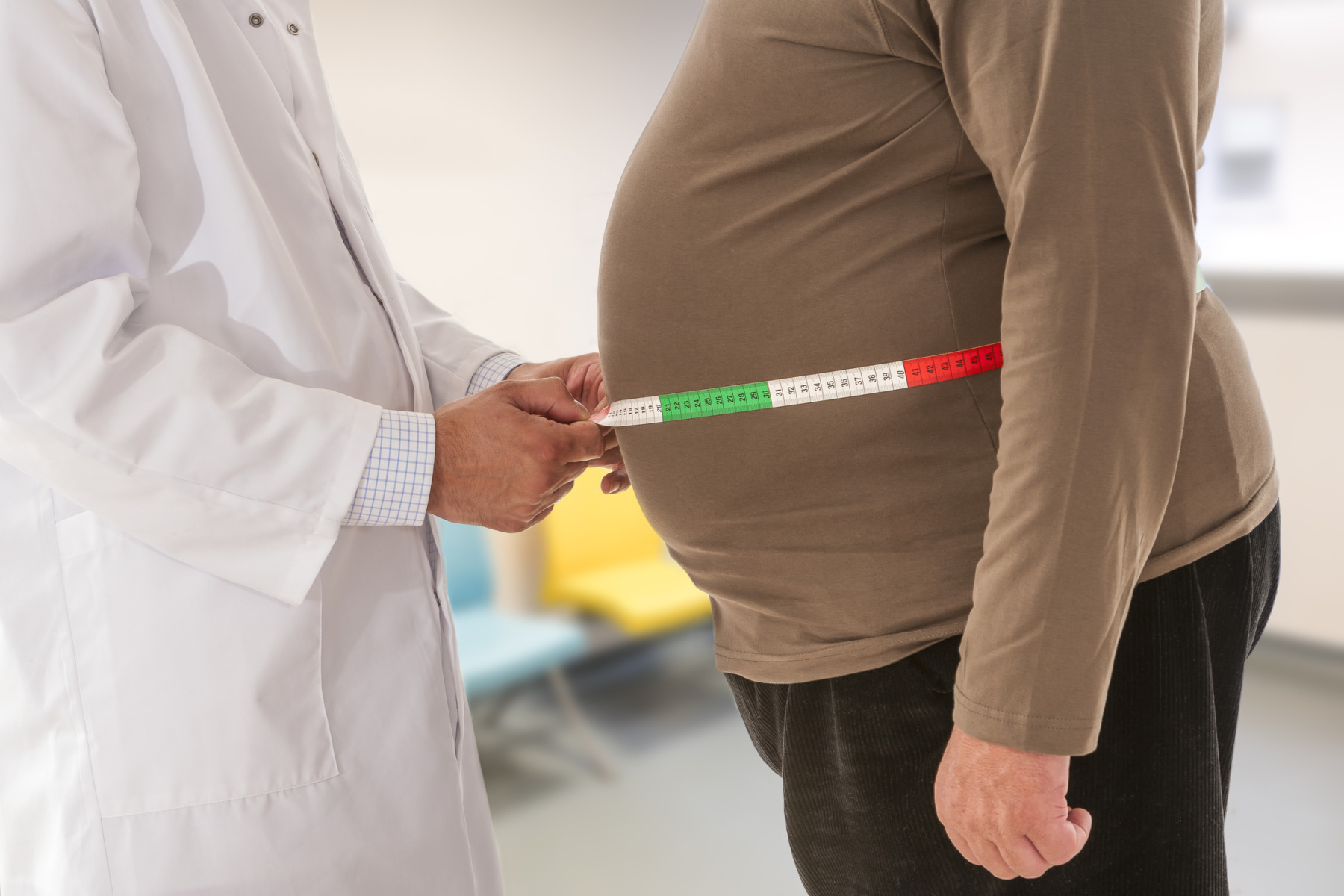
The fat around your middle is a better indication of your heart attack risk than your body weight, a study has suggested.Researchers said waist measurement accurately detected those at a far higher risk of nine major heart problems, including stroke and heart failure.Body mass index (BMI) alone was found to be a far less reliable indicator of the life-threatening health problems – with the research suggesting that up to a fifth of those with a healthy BMI score could in fact be carrying dangerous amounts of body fat.BMI is calculated by dividing an adult's weight in kilograms by height in metres squared and is widely used to determine whether a person is at a 'healthy weight'.Around a third of Britons are thought to be obese – with a BMI of more than 30 – and at significant risk of a host of dangerous complications from type 2 diabetes to cancer.However, experts have long argued that BMI does not capture the full picture of a person's health as it fails to account for body fat, particularly around the stomach – which is a known driver of organ damage.In the new study, published in the Journal of the American College of Cardiology, the team measured 260,000 participants' waist circumference and waist-to-hip ratio, alongside their BMI. Measuring the fat around your stomach is a better way of predicting whether you may be at risk of heart attack or stroke than BMI alone, a study suggestsWaist circumference measures the distance around the abdomen, while waist-to-hip ratio compares this figure with the hip circumference, providing greater insight into the body fat in the area.The US researchers examined participants' health records over a period of 20 years, and found that 18 per cent of people who were classed as a 'healthy' weight by BMI had a worryingly high waist-to-hip ratio, while five per cent had a risky waist circumference. Despite being classed as a healthy weight, participants had high central adiposity – the term for excess fat in the lower middle.This type of fat, known as visceral fat, wraps around the organs in the abdomen such as the liver and pancreas.While everyone has some kind of visceral fat, too much can interfere with the functioning of these organs and trigger life-threatening complications.Experts recommend the hip-to-waist ratio measurement as a simple and reliable way to calculate this risk. In the study, those with an unusually high waist or waist-to-hip ratio were at a 15 to 50 per cent greater risk of most of the nine health outcomes studied. These included heart attack or stroke, heart failure, atrial fibrillation, coronary heart disease and cardiovascular disease, as well as deaths from any cause. Michael J. Blaha, senior author of the study and director of clinical research at Johns Hopkins Ciccarone Center for the Prevention of Cardiovascular Disease in the US, said: 'We saw individuals with clinically determined normal weight who had elevated central adiposity and high [waist-to-hip ratio], associating them with higher risk across most outcomes.'
Tape measure test can predict if you'll die from a heart attack
Researchers said this measure accurately detected those at a 50 per cent higher risk of nine major heart problems, including stroke and heart failure.
875 words~4 min read