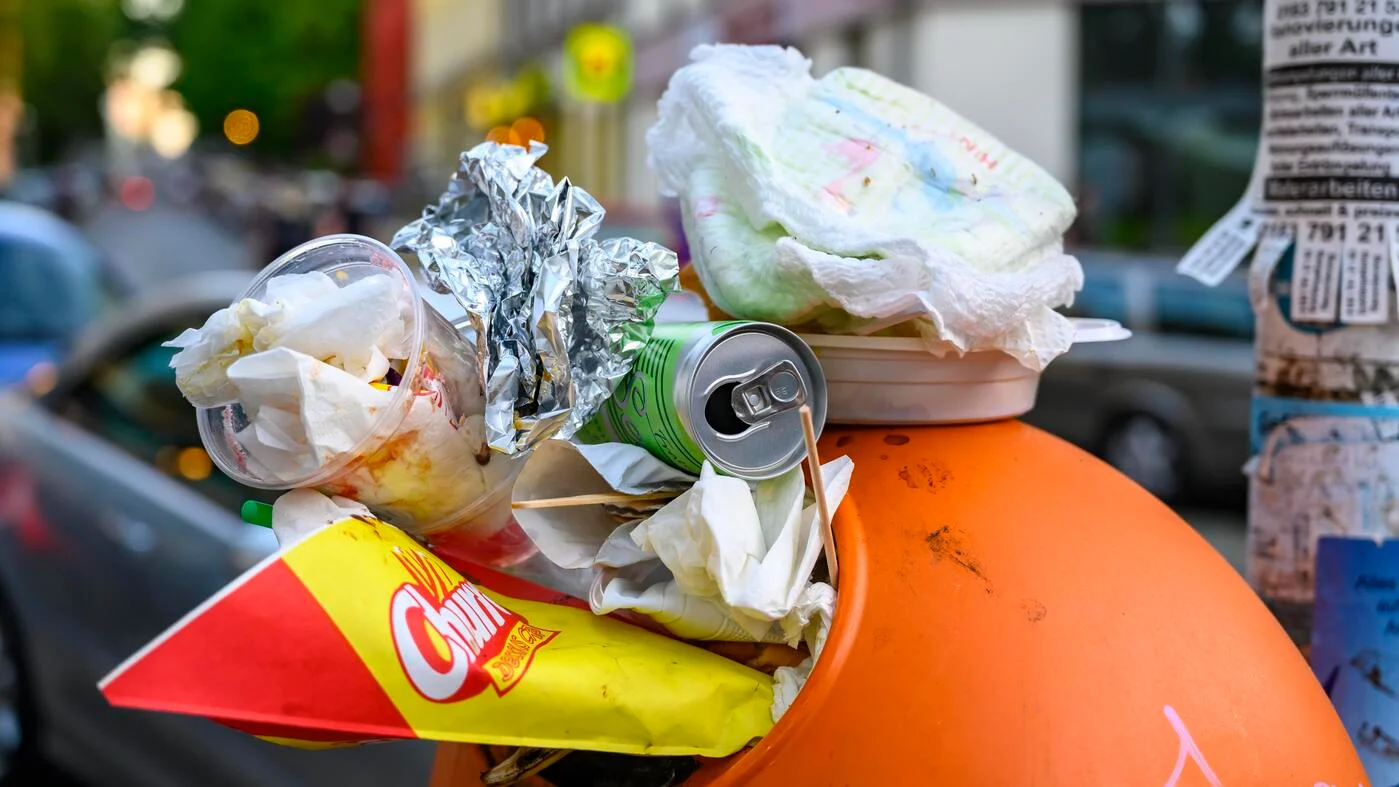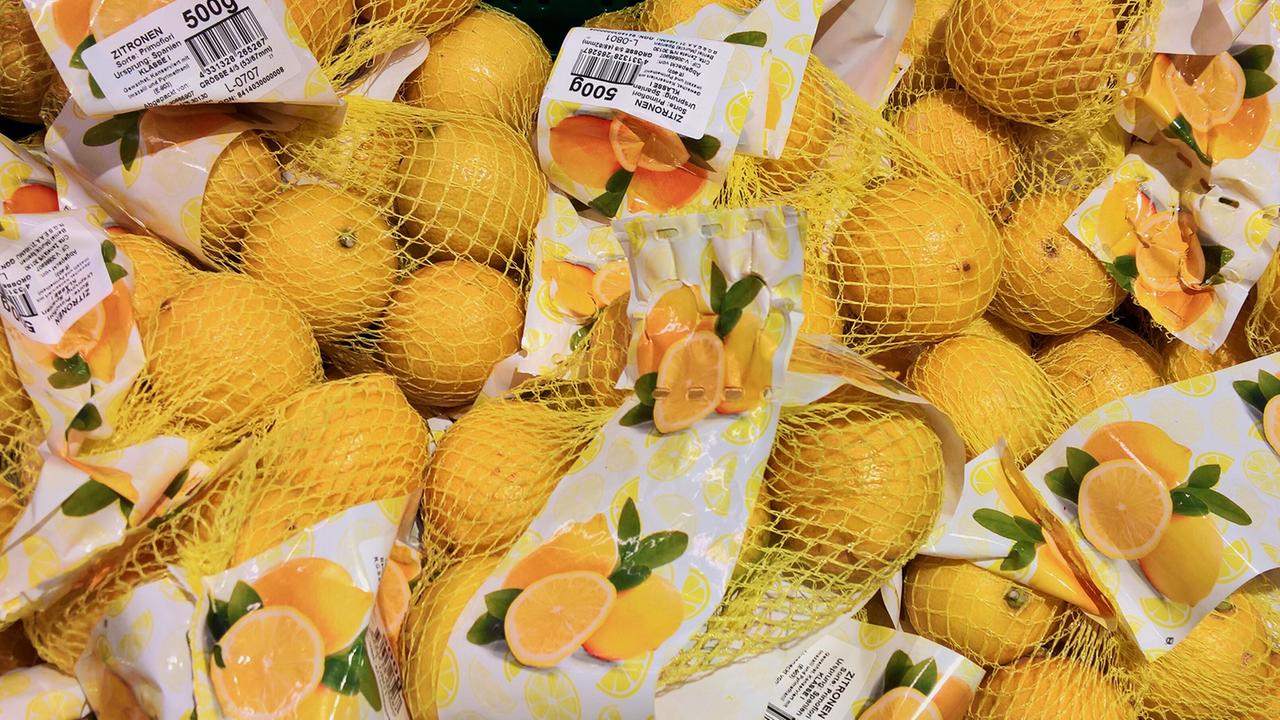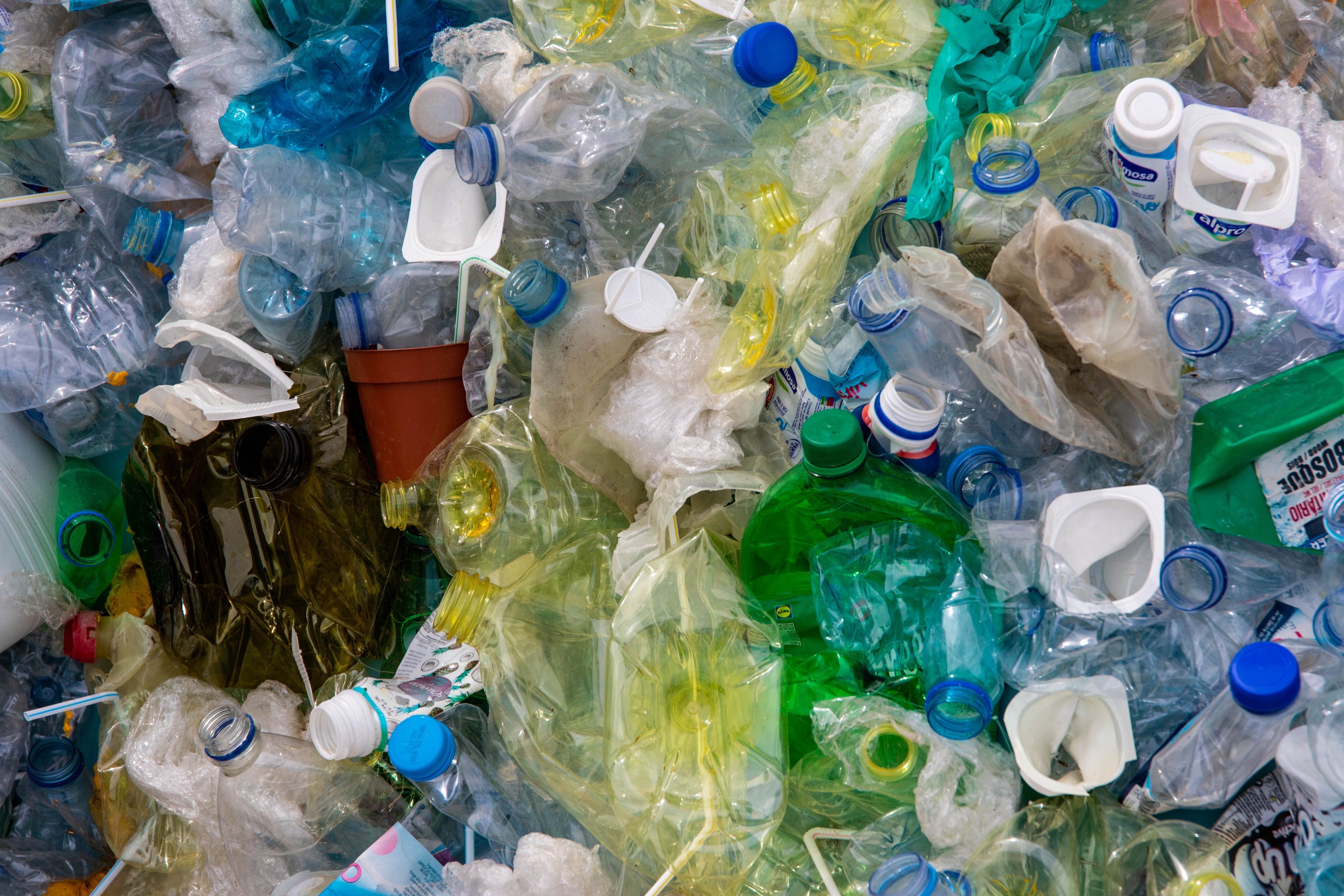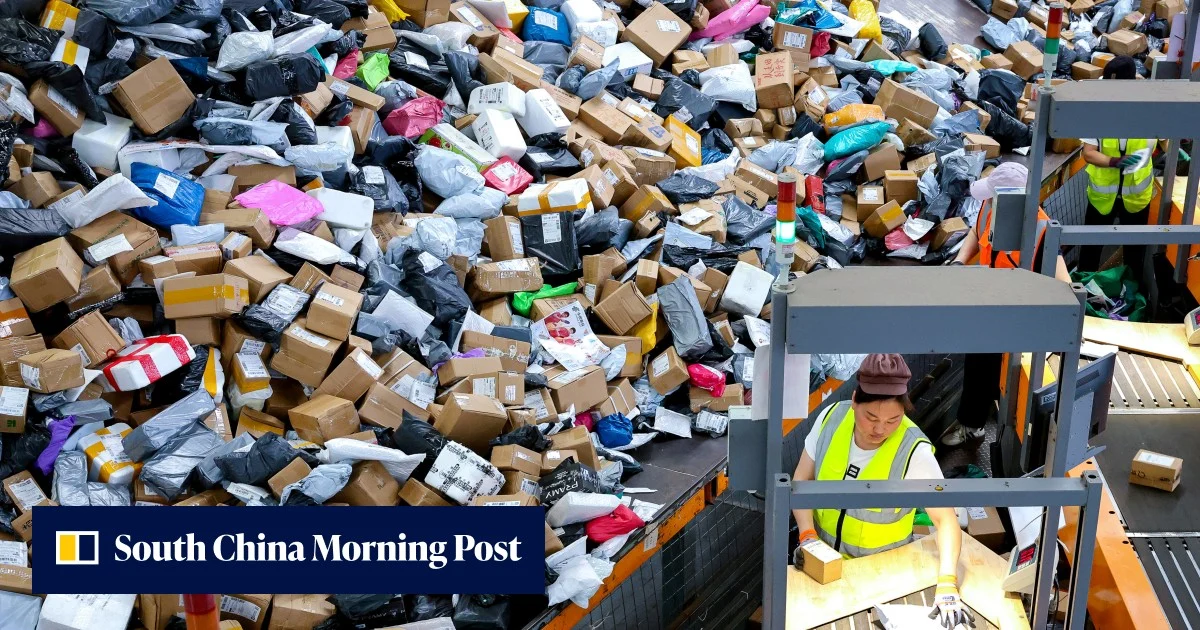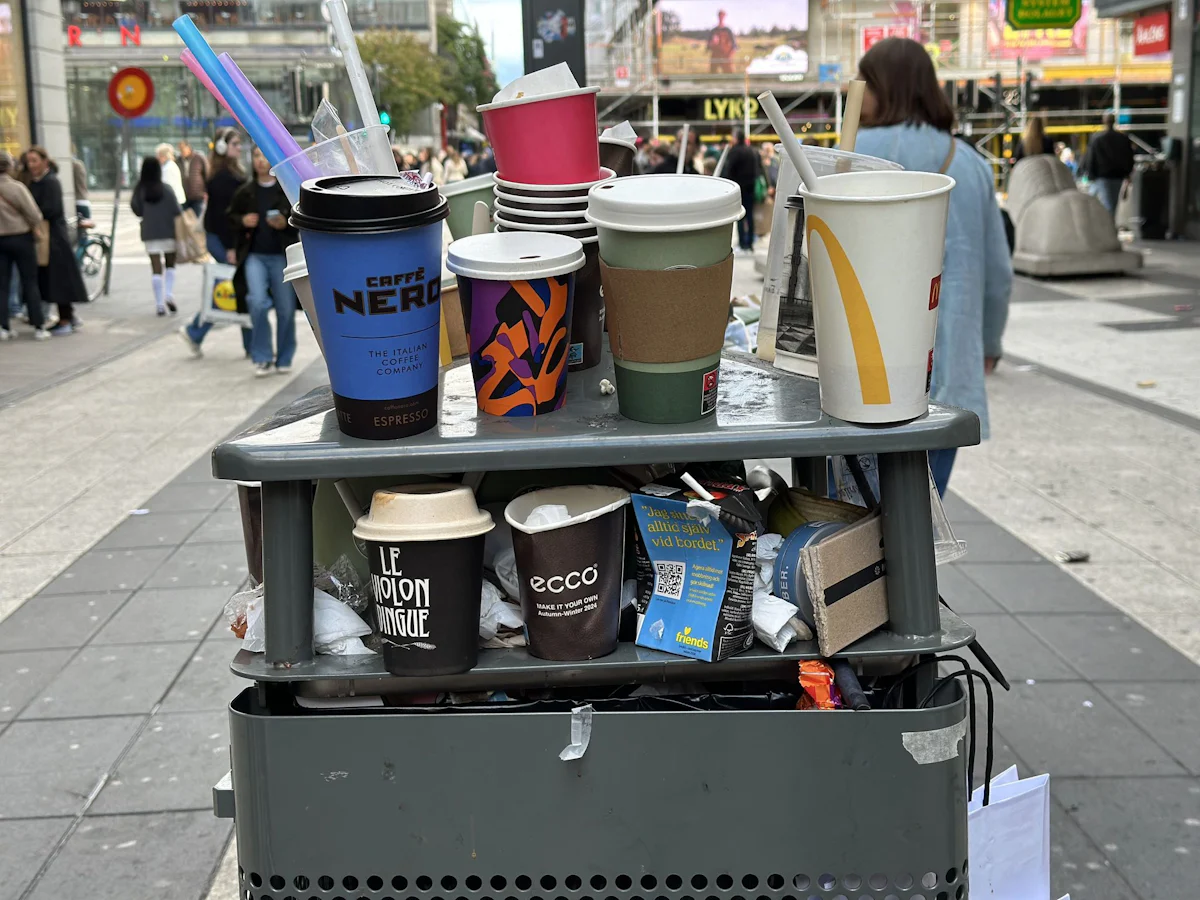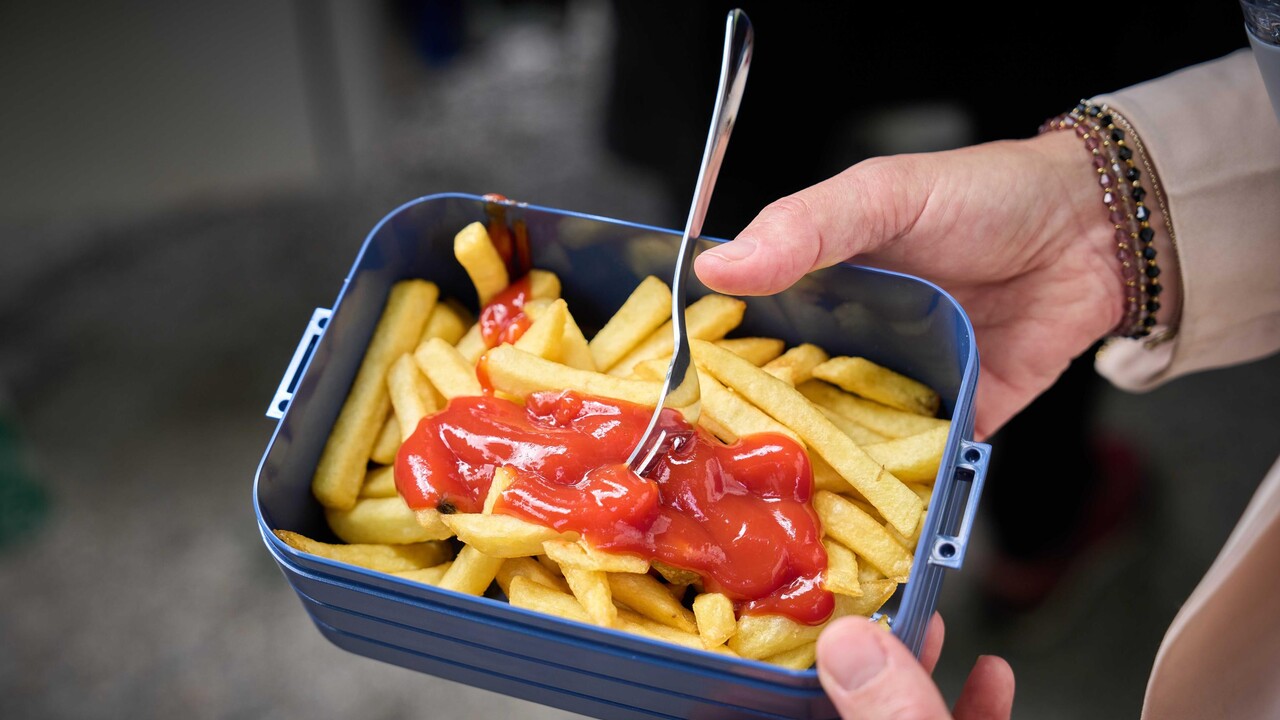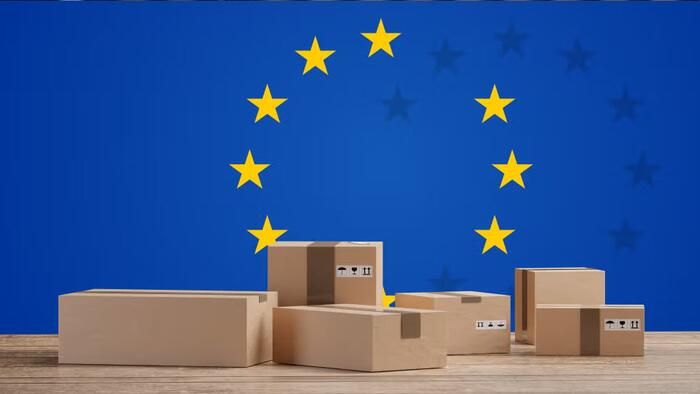
BRUSSELS: New EU packaging regulations will come into force on Wednesday which set EU-wide limits on PFAS, or "forever chemicals", in food-contact packaging and set targets to cut the bloc's waste, especially of oil-derived plastics.The law revamps rules dating back to the 1990s to handle the sharp increase in packaging waste - up over 20% in the last decade - driven by online shopping and "grab and go" consumption habits.Packaging accounts for about 40% of plastic consumption in Europe, an EU official told reporters at a briefing, creating an economic dependence and vulnerability to major oil outages such as from the Iran war.Europeans generate 180 kg of packaging waste per person per year, the official said. According to Eurostat, 35.3 kg of this waste was fossil-fuel derived plastic and only 42% was recycled in 2023.BUILDUP OF TOXINSThe first measures apply from Wednesday and set maximum limits on PFAS. In addition, manufacturers must provide information that allows authorities to trace packaging back to its source if concerns arise.PFAS have been used in a range of food packaging from takeaway containers, bakery paper to pizza boxes, because of their ability to repel water or grease. Yet they are hazardous chemicals that do not degrade naturally and can contaminate water, air, soil and food.Researchers have linked the buildup of these chemicals in humans to various forms of cancer, kidney disease, immune disorders, pregnancy complications and developmental problems in infants.KEY WASTE TARGETS IN 2030In 2028, a new EU-wide labelling system will apply for waste-sorting to improve efficiency, but the law's most significant measures will not be applied until 2030.The EU aims to cut waste by 5% by 2030 and 15% by 2040 compared with 2018 levels. And it is also taking measures to control the export of waste.A new EU law regulating plastic waste exports came into effect in May with the aim to ensure it is handled sustainably. Much of the EU's plastic waste has been exported to third countries for decades - and often dumped.Other key measures include that packaging must be recyclable in an "economically viable way", as well as setting reuse targets, bans on some single-use formats, a threshold on "empty space" in packages, packaging-waste reduction targets, and mandatory deposit-return schemes for cans and plastic bottles.The EU official said non-compliant products should not be immediately removed and member states should issue warnings rather than penalties to give companies time to fix problems.Later this year, the Commission will launch a consultation on harmonised labels to help consumers sort packaging waste.
EU packaging rules take effect with limits on 'forever chemicals', plastics curbs
New European Union packaging rules will limit harmful forever chemicals. These regulations aim to significantly reduce plastic waste across the bloc. Targets are set to cut overall waste by fifteen percent by 2040. New sorting labels will improve recycling efficiency starting in 2028. The EU also seeks to control plastic waste exports to third countries.
419 words~2 min read