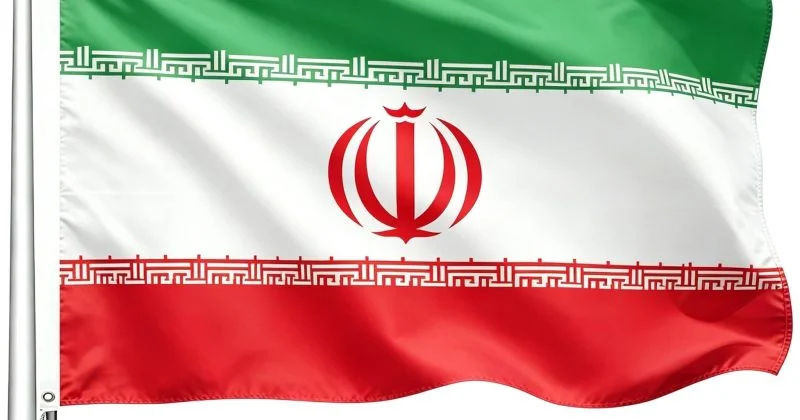
Iran has reportedly decided to delay any significant negotiations with the United States until 2029, opting instead to focus on establishing a regional security framework. This strategic posture suggests a shift in Iran’s diplomatic approach, moving away from immediate engagement with the U.S. toward a more long-term stance. The U.S. faces challenges with depleted reserves and low missile stocks, which may impact its negotiating strength. As this situation unfolds, markets appear to view the prospect of a near-term U.S.-Iran nuclear agreement with increased skepticism, reflected in the decrease in optimism for a final deal by the upcoming deadlines.
Key Takeaways
Iran’s decision to wait until 2029 for negotiations appears consistent with decreased expectations for a nuclear deal by August 2026.
The focus on a regional security framework suggests an Iranian strategy of long-term engagement rather than immediate resolution.
Observations of depleted U.S. military reserves could indicate constraints on U.S. leverage in negotiations with Iran.