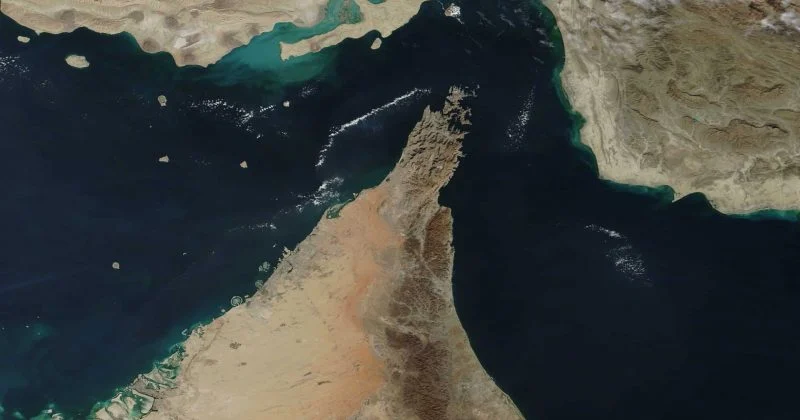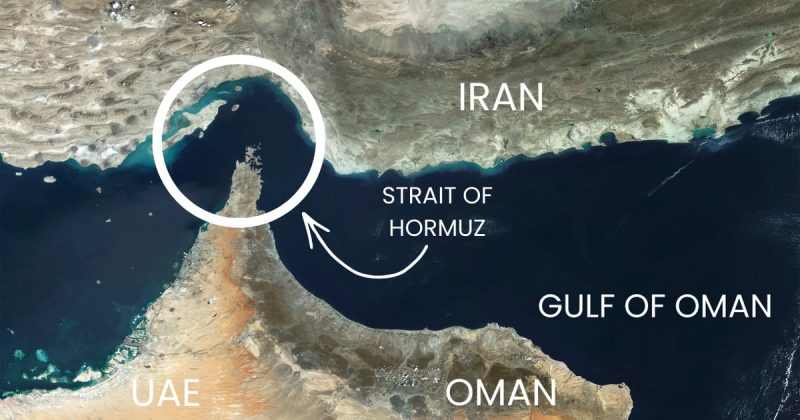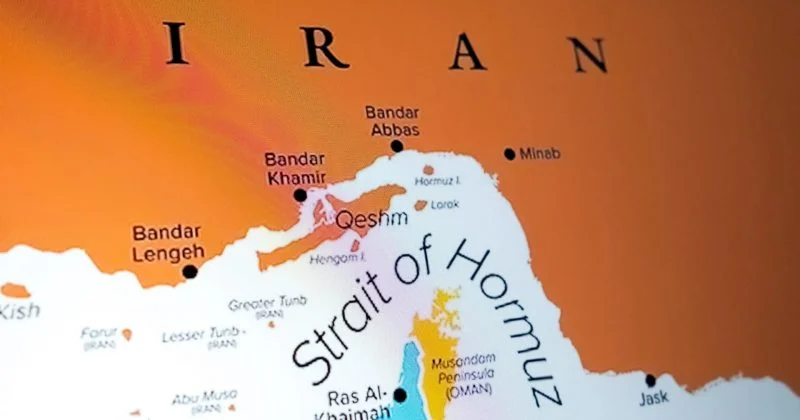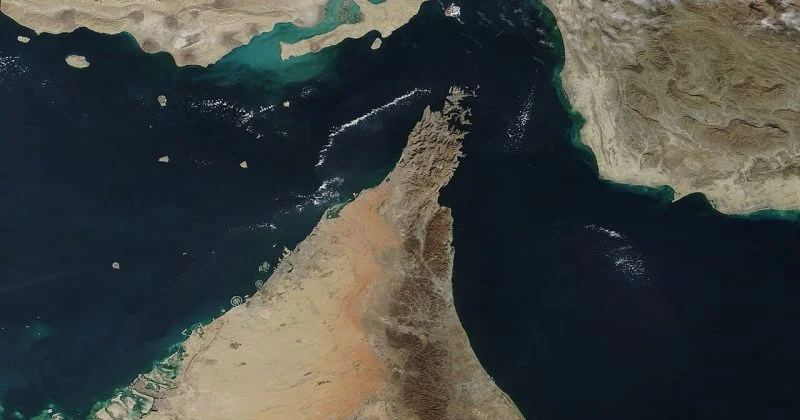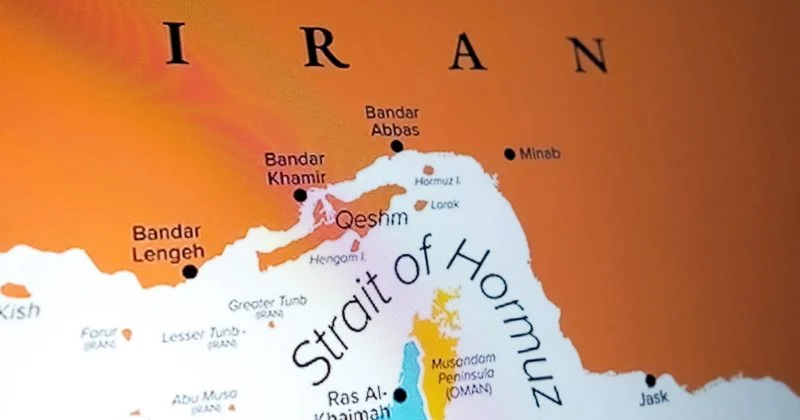
Iran International has reported on Tehran’s evolving strategy, highlighting how its strategic advantages may transform into vulnerabilities. This analysis comes in the aftermath of a significant U.S. and Israeli strike on Iran’s nuclear facilities in 2025, which set back Iran’s nuclear program by one to two years. Tehran has since been advancing its deterrence strategy, emphasizing the Strait of Hormuz as a key geopolitical lever. However, the report suggests that this focus on the strait could become a strategic liability, complicating Iran’s foreign policy and nuclear ambitions.
The market for a final U.S.-Iran nuclear deal by August 13, 2026, reflects growing skepticism, with probabilities for a YES outcome remaining low. Current pricing suggests that Tehran’s vulnerabilities and the geopolitical tensions they engender may reduce the likelihood of an agreement. The YES odds have been decreasing across several sub-markets, reflecting concerns about the strategic complexities involved.
Despite these challenges, some market participants still consider the possibility of a deal within the year, as indicated by the higher odds for a December 31, 2026, resolution. This suggests a window of opportunity later in the year, should diplomatic conditions improve.