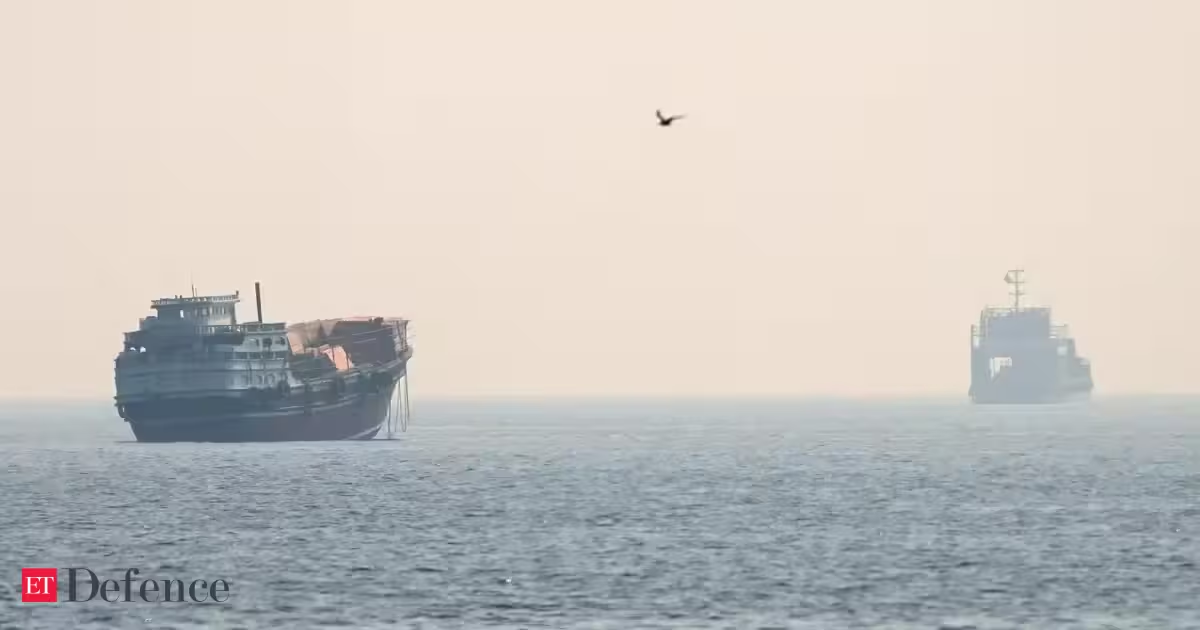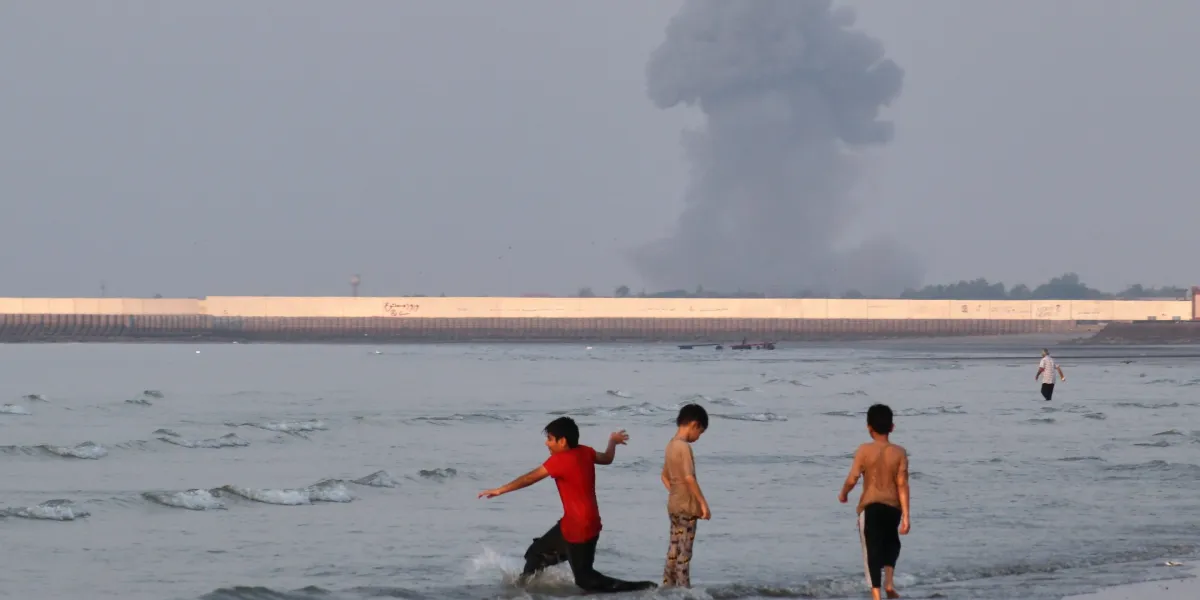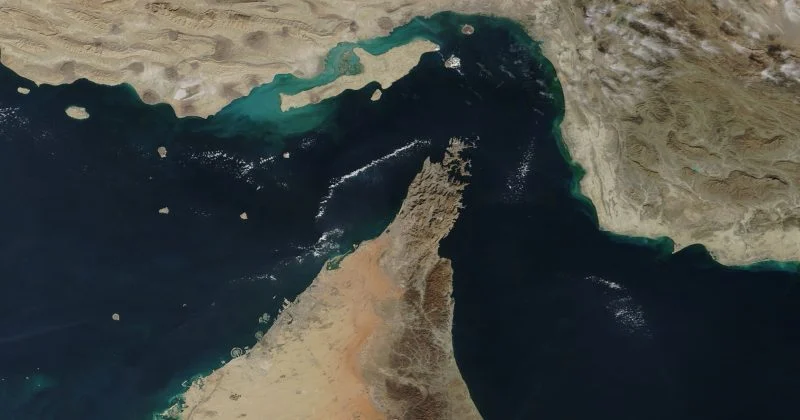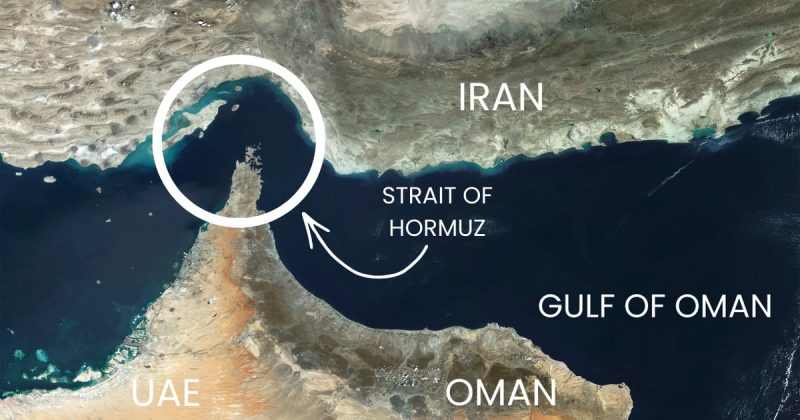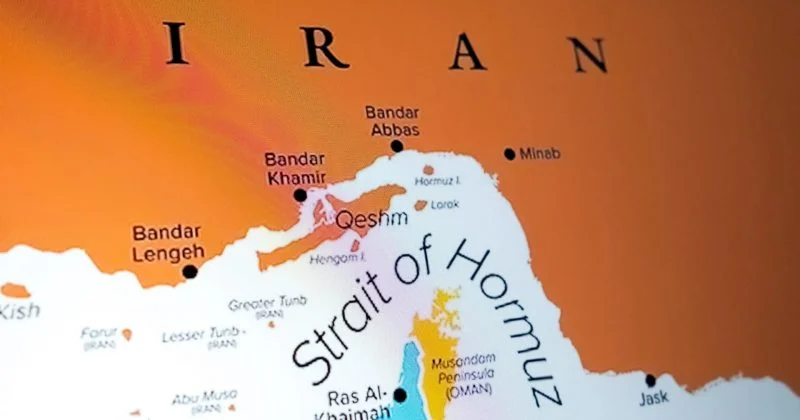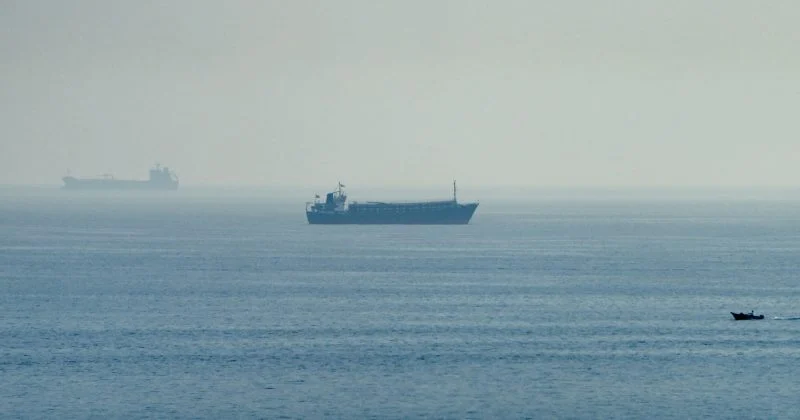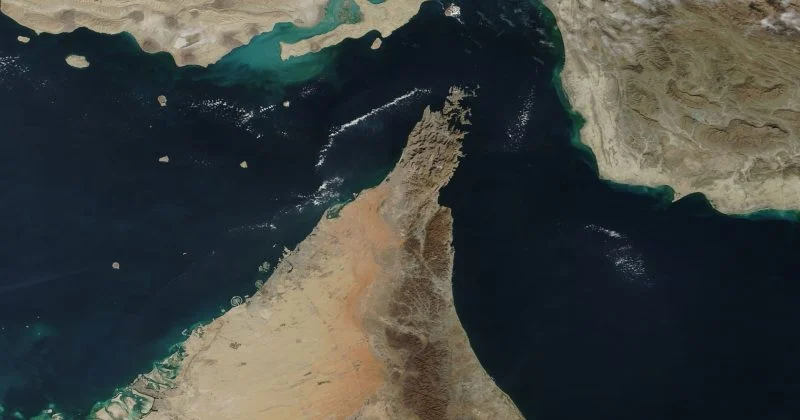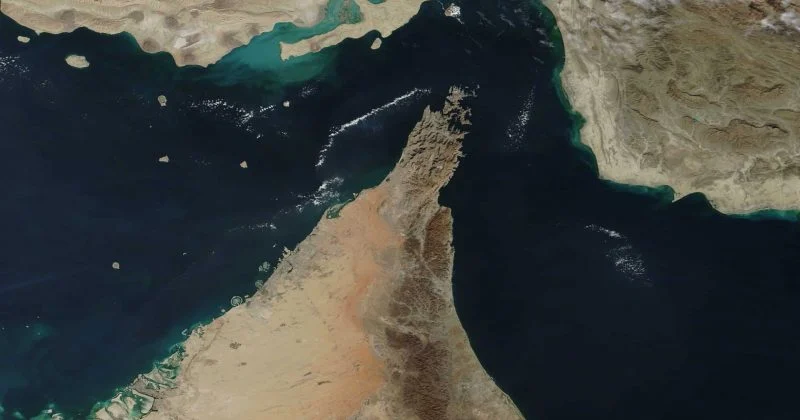
Aaron David Miller, a senior fellow at the Carnegie Endowment for International Peace, described Iran’s control over the Strait of Hormuz as its “new nuclear weapon.” This assertion comes amid heightened tensions in the ongoing conflict between Iran and a U.S.-Israeli coalition. The strategic waterway has become a focal point of Iran’s asymmetric warfare strategy, leveraging its ability to disrupt global oil flows to exert geopolitical pressure. Iran has increased its aggressive actions in the region, including mining the strait and asserting control through a so-called “supervisory zone.”
The statement from Miller highlights the potential for further escalation, as Iran’s control over the strait could provoke significant geopolitical shifts. Markets appear to interpret this development as increasing the likelihood of a formal U.S. declaration of war on Iran, given the strategic importance of the strait and the ongoing military operations. The situation remains tense, with market pricing reflecting concerns over potential disruptions to global oil supply and broader economic implications.
Key Takeaways
Miller’s comments appear to suggest increased geopolitical leverage by Iran through control of the Strait of Hormuz.