Dogs are exceptionally skilled at reading human emotions, from smiles and laughter to frowns and tears. Scientists and dog owners have recognized this ability for years, but the biological mechanisms that make it possible have remained largely unknown.
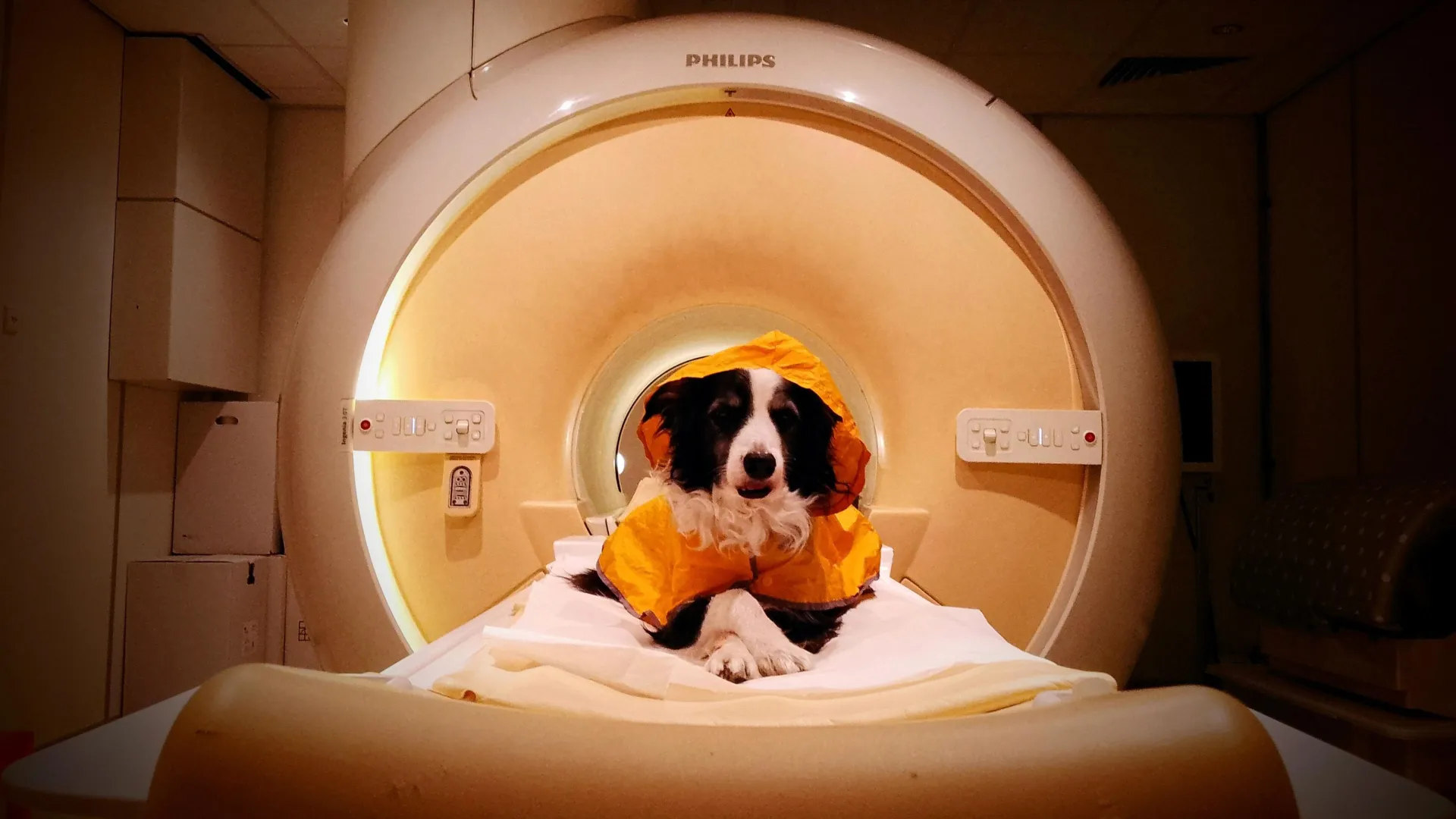
A study published August 7 in the Cell Press journal iScience offers a closer look at what happens inside a dog's brain when it sees different human facial expressions. Researchers found that smiles trigger distinctive activity in specific parts of the canine brain. They also uncovered the first evidence that dogs can tell apart several negative expressions, including anger, sadness, and fear.
"Humans are really good at picking up small details on the face, and so are dogs," says first author Raúl Hernández-Pérez from the University of Vienna. "This makes dogs very interesting. By studying their brains, we can understand what adaptations have developed to support their remarkable social and emotional understanding of humans."
How Dogs' Brains Respond to Human Smiles
The researchers began by examining happiness, since earlier research has suggested that positive human expressions may be especially meaningful to dogs.