view more
Scientists—and dog lovers—have long known that dogs are remarkably good at interpreting our laughs, frowns, and tears. But the biology behind this ability has remained largely unexplored until now.
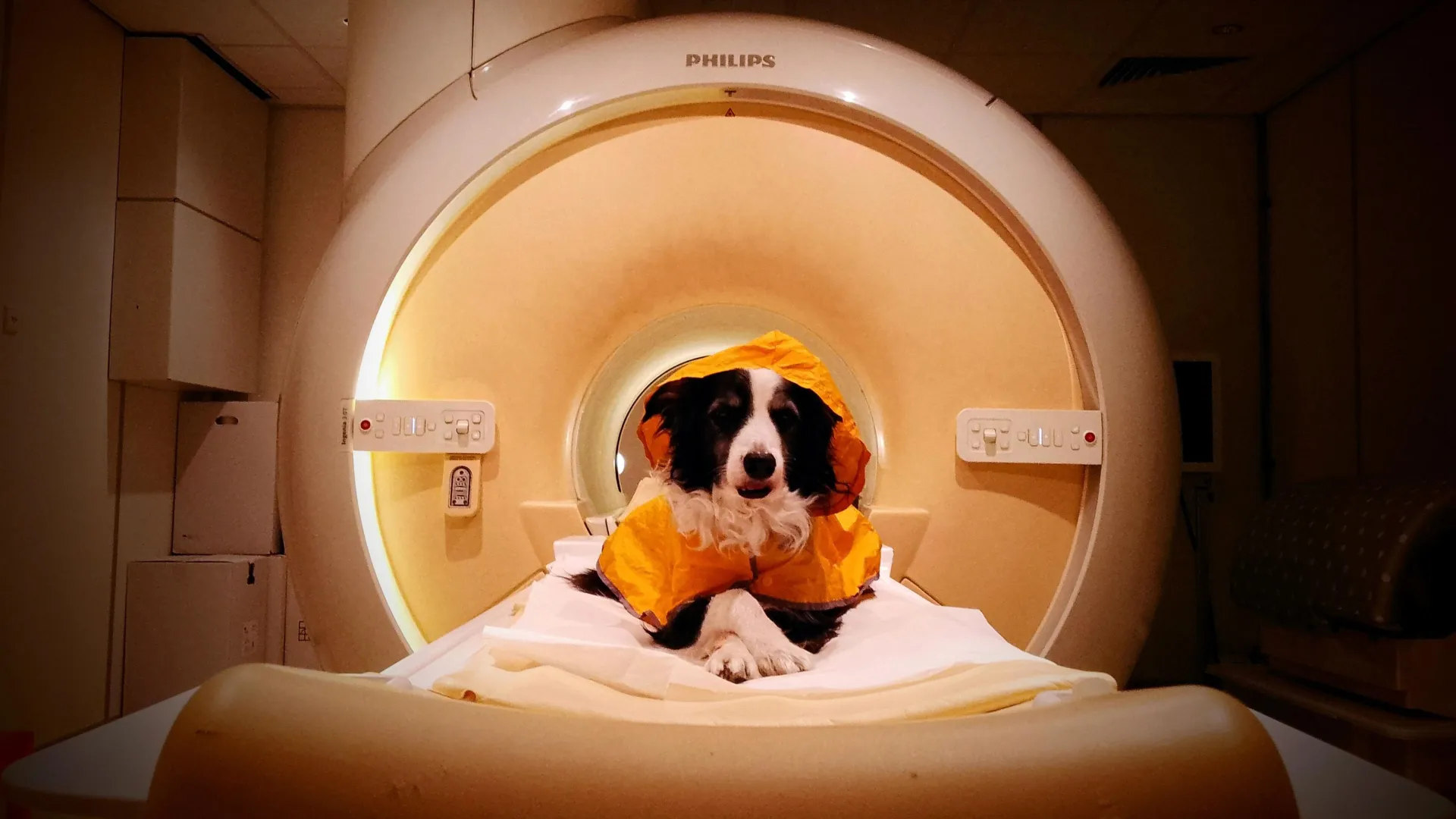
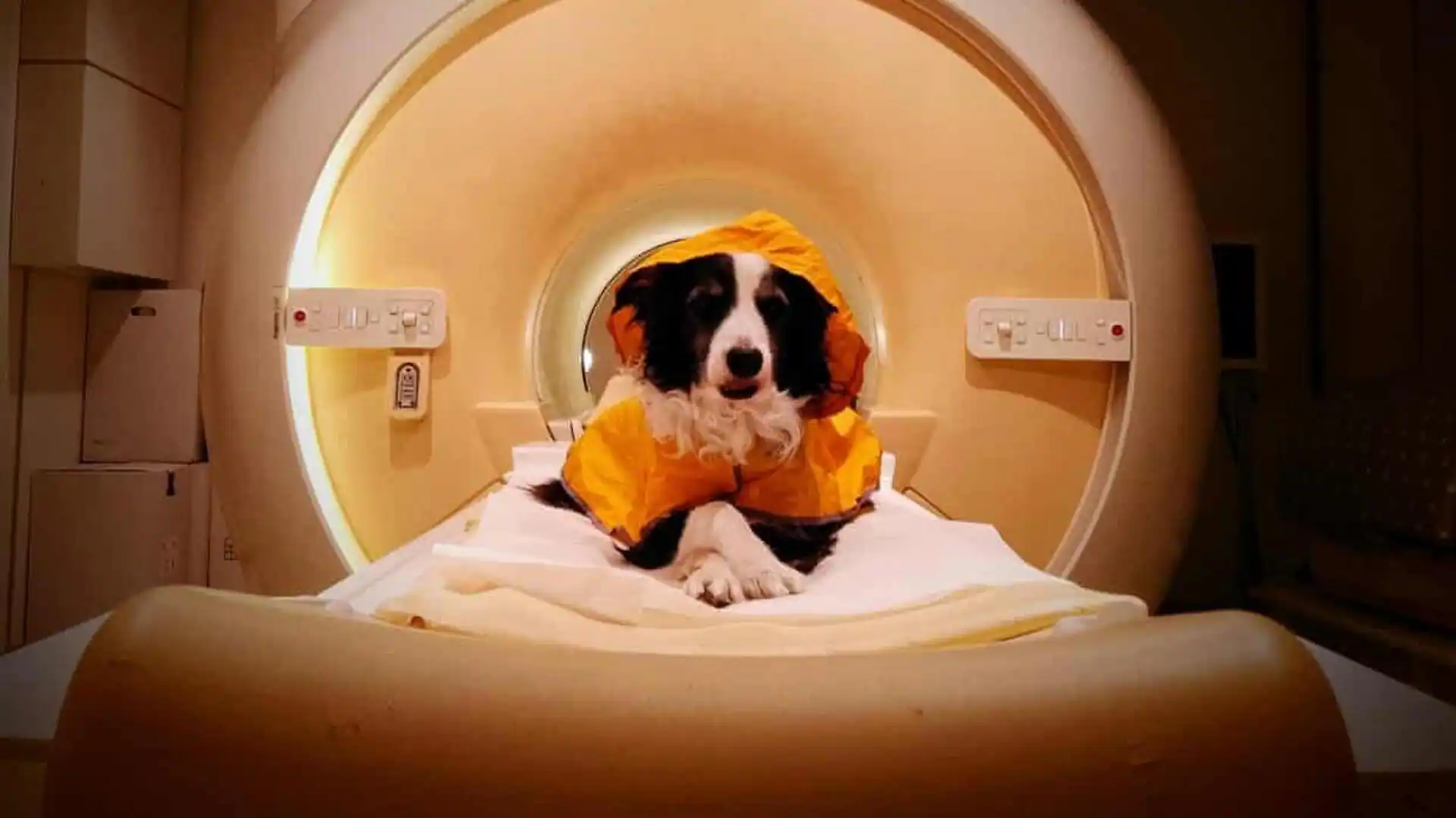
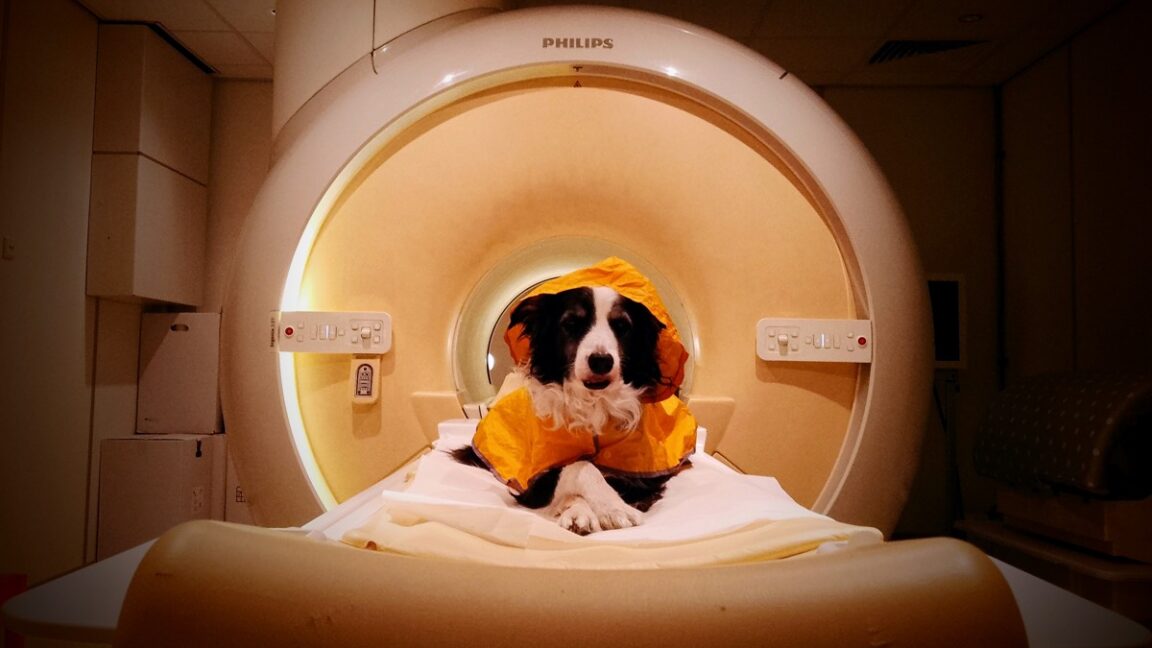
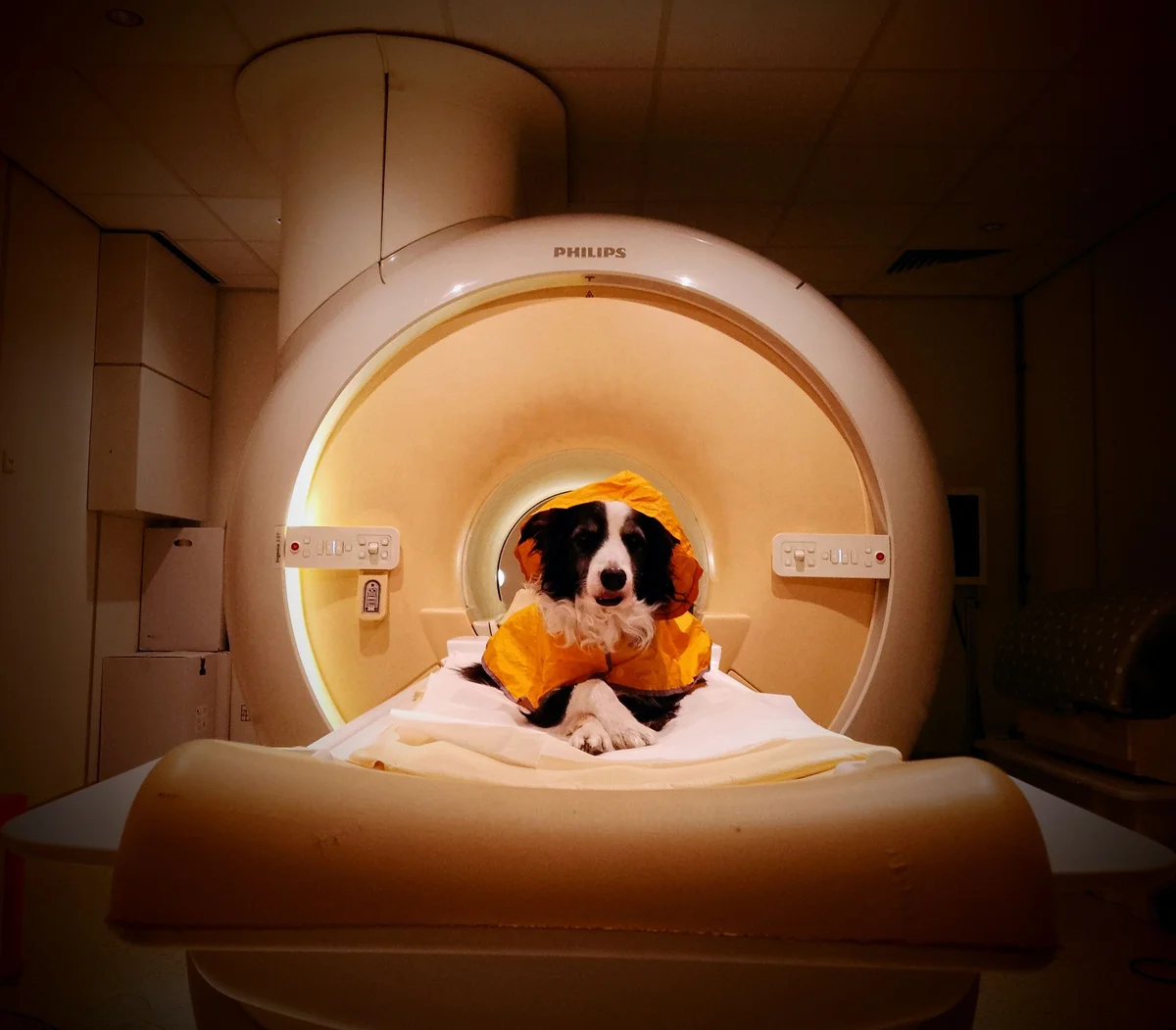
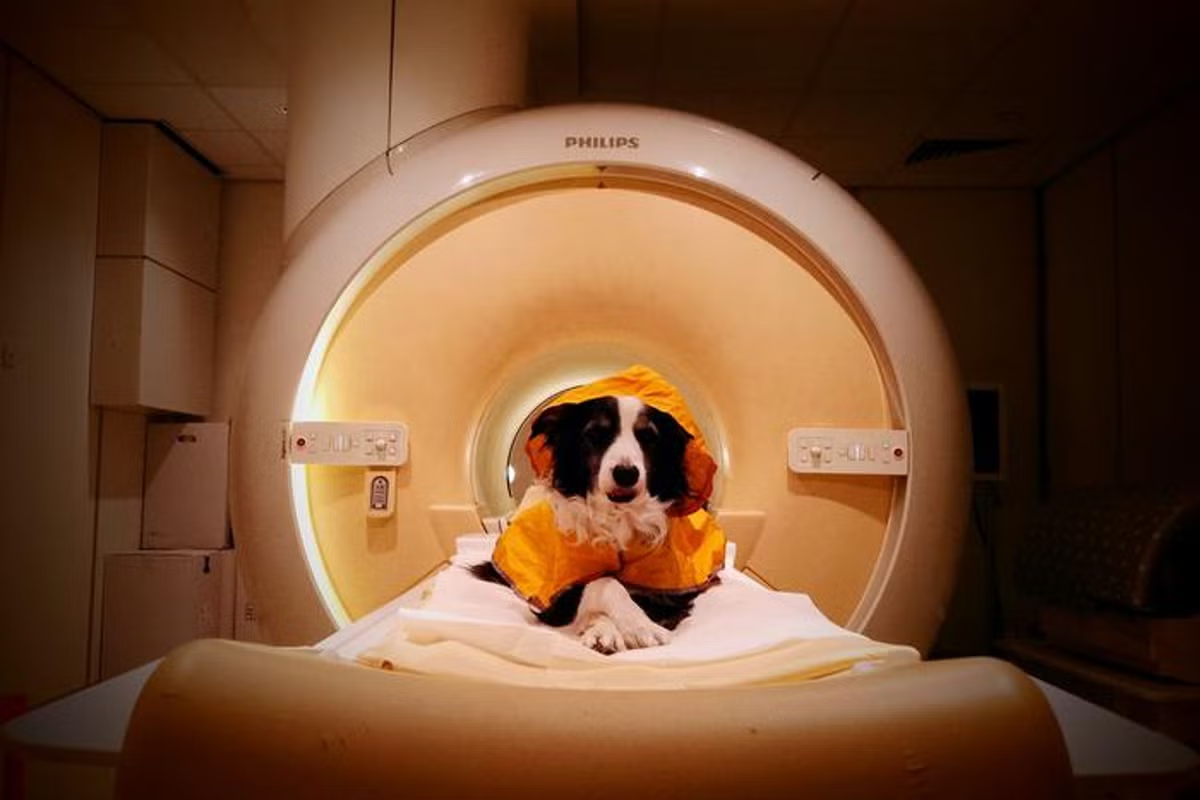
In a study published in the Cell Press journal iScience on August 7, researchers peered inside the brains of dogs as they viewed images of various human expressions. The brain scans revealed that dogs process smiles in a unique brain region and, for the first time, provided evidence that dogs can distinguish between negative facial expressions, including anger, sadness, and fear.
“Humans are really good at picking up small details on the face, and so are dogs,” says first author Raúl Hernández-Pérez from the University of Vienna. “This makes dogs very interesting. By studying their brains, we can understand what adaptations have developed to support their remarkable social and emotional understanding of humans.”
The researchers first focused on happiness, an expression that previous studies suggest holds particular significance for dogs. They scanned eight dogs while showing them images of strangers with either happy or neutral expressions. The happy faces lit up the temporal cortex and caudate nucleus in the dogs’ brains—regions associated with higher cognitive and reward processing, respectively.