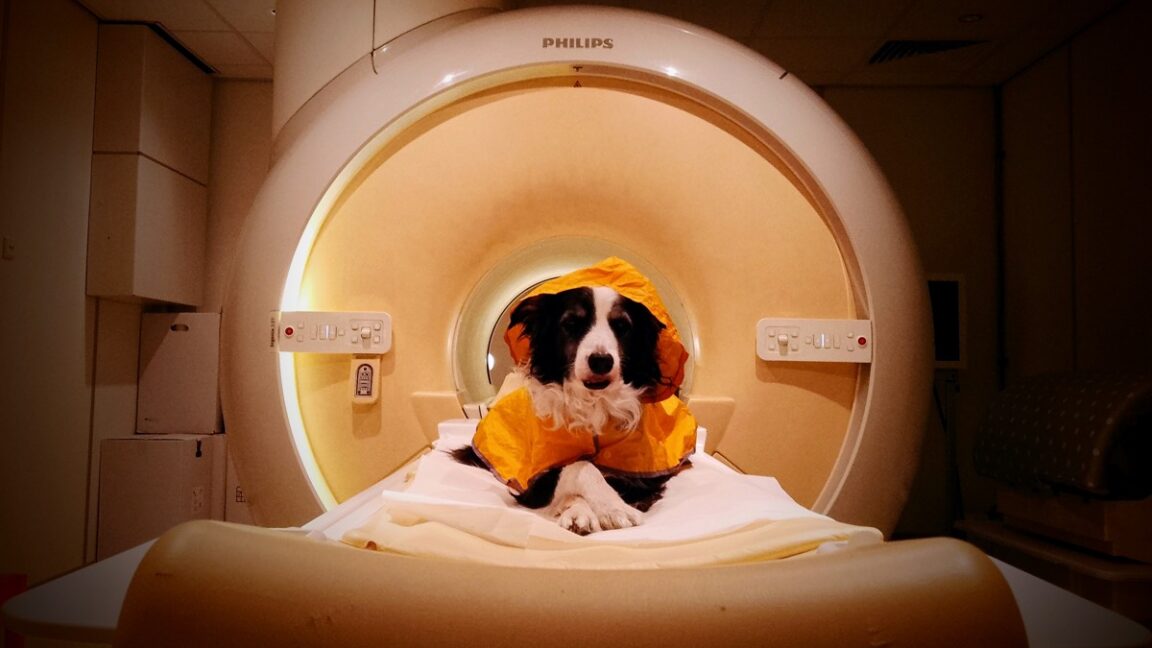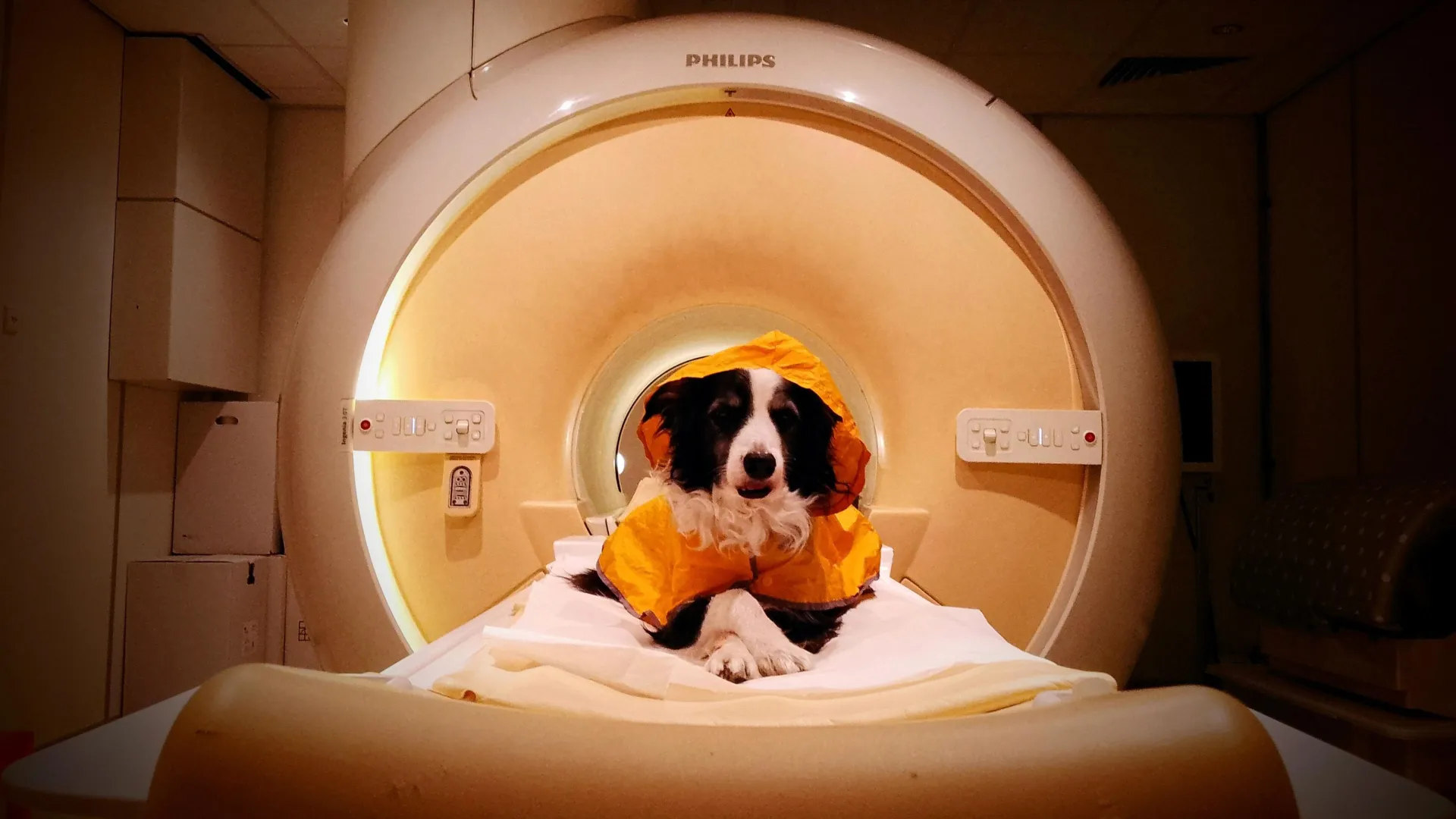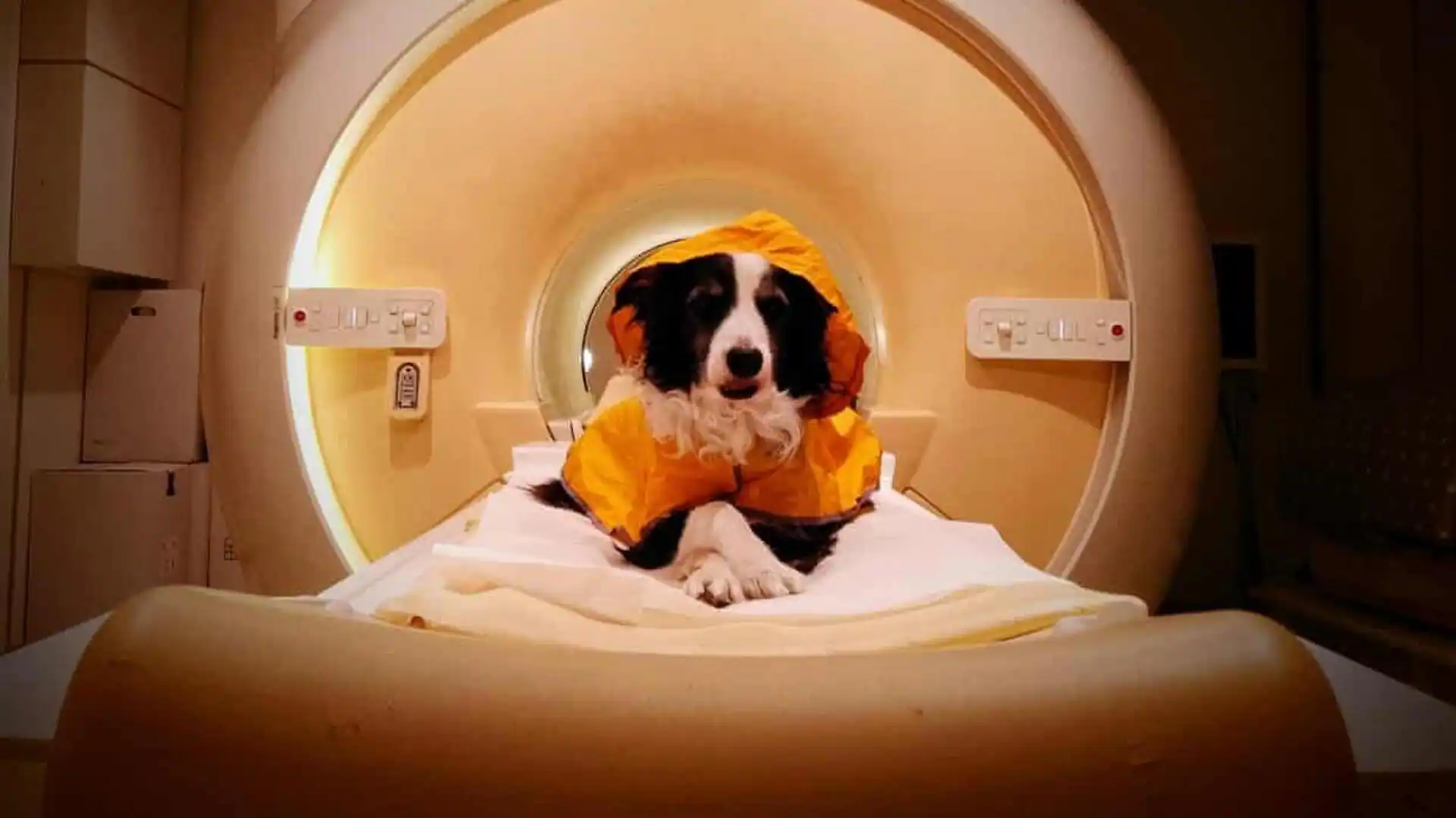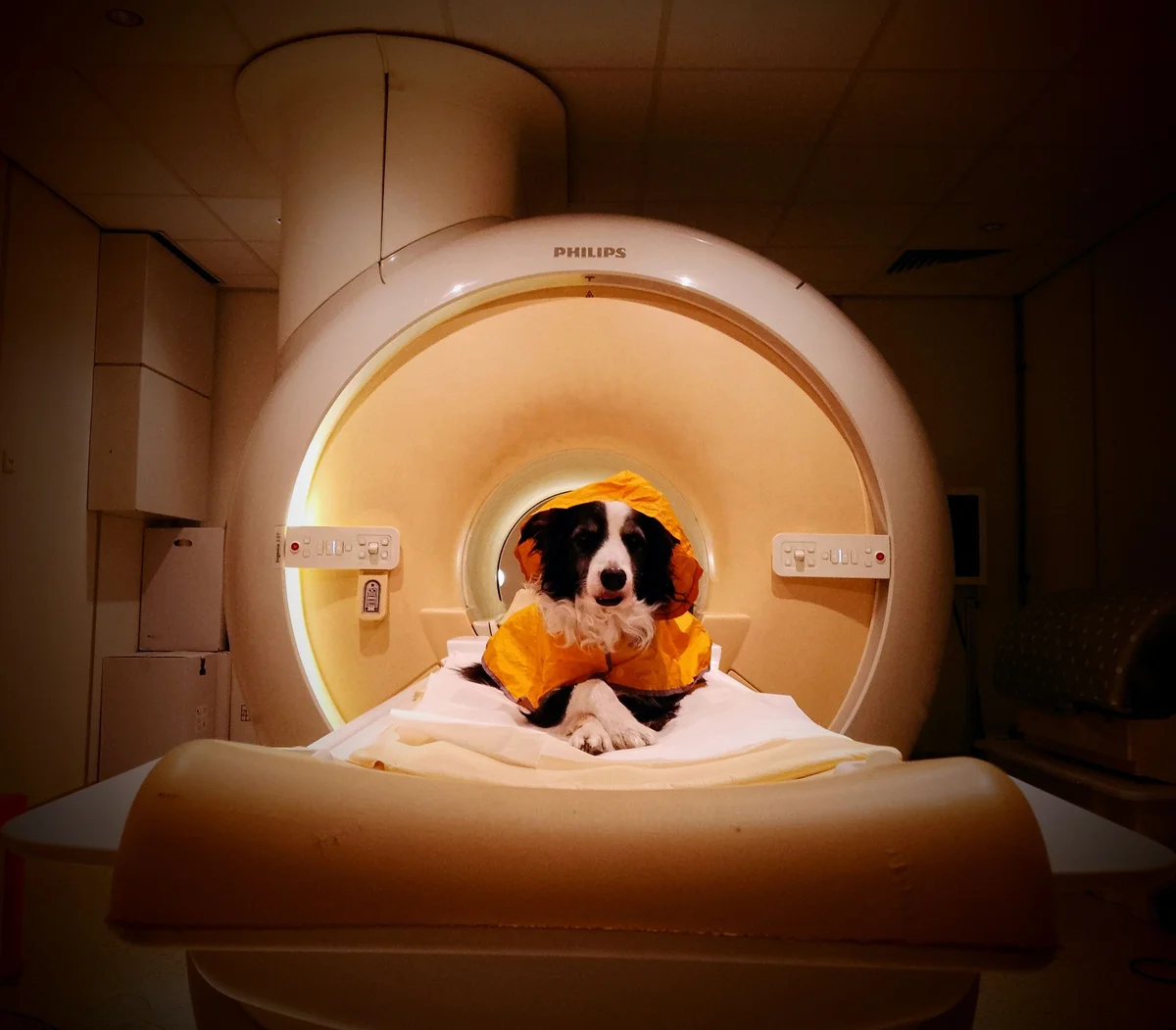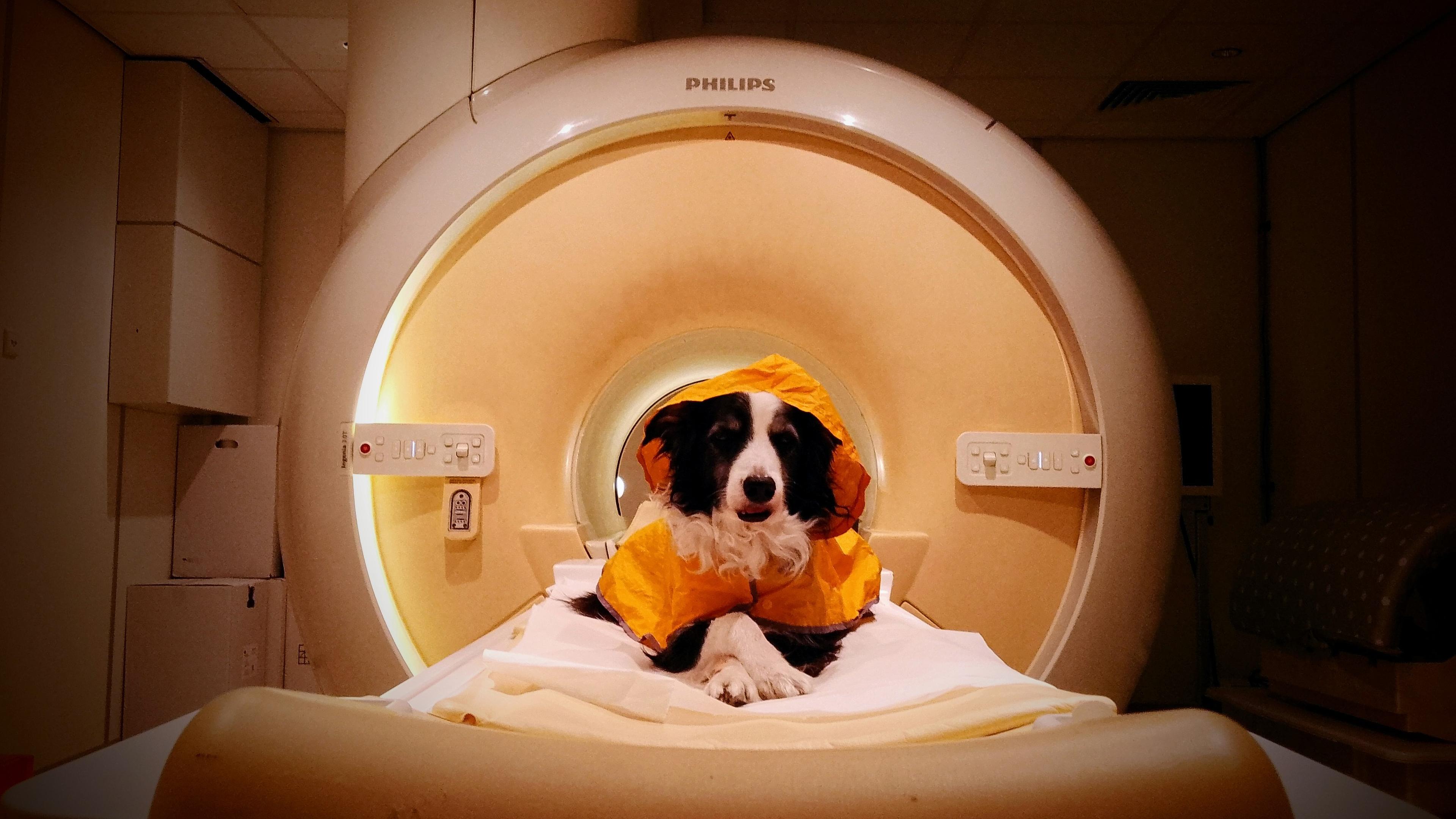
Jump to contentThank you for registeringPlease refresh the page or navigate to another page on the site to be automatically logged inPlease refresh your browser to be logged inAllNewsSportCultureLifestyleA study published in the journal iScience has discovered that dogs can distinguish between happy human faces and negative expressions such as fear, anger, and sadness. Images of happy faces lit up the temporal cortex and caudate nucleus in dogs' brains, regions associated with higher cognitive and reward processing, respectively.Meanwhile, a whole brain scan analysis revealed distinct patterns of activity that separated fear from anger and sadness, providing evidence that dogs can distinguish between certain negative facial expressions.Senior author Laura Cuaya of the University of Vienna said: “They [dogs] followed a very different evolutionary path, yet through domestication, they developed the social abilities needed to understand and cooperate with us.”The study involved pet dogs from loving families, meaning dogs from different social backgrounds may process human facial cues differently. In fullYour dog can spot when you are happy or scared, scientists findMore bulletinsThank you for registeringPlease refresh the page or navigate to another page on the site to be automatically logged inPlease refresh your browser to be logged in
Can dogs tell if you’re happy or sad? Here’s what a new study says
Jump to contentThank you for registeringPlease refresh the page or navigate to another page on the site to be automatically logged inPlease refresh your browser to be logged inAllNewsSportCultureLifestyleA study published in the journal iScience has discovered that dogs can distinguish between happy human faces and negative expressions such as fear, anger, and sadness. Images of happy faces lit up the temporal cortex and caudate nucleus in dogs' brains, regions associated with higher cognitive and reward processing, respectively.Meanwhile, a whole brain scan analysis revealed distinct patterns of activity that separated fear from anger and sadness, providing evidence that dogs can distinguish between certain negative facial expressions.Senior author Laura Cuaya of the University of Vienna said: “They [dogs] followed a very different evolutionary path, yet through domestication, they developed the social abilities needed to understand and cooperate with us.”The study involved pet dogs from loving families, meaning dogs from different social backgrounds may process human facial cues differently. In fullYour dog can spot when you are happy or scared, scientists findMore bulletinsThank you for registeringPlease refresh the page or navigate to another page on the site to be automatically logged inPlease refresh your browser to be logged in