ASEAN Beat | Diplomacy | Southeast Asia
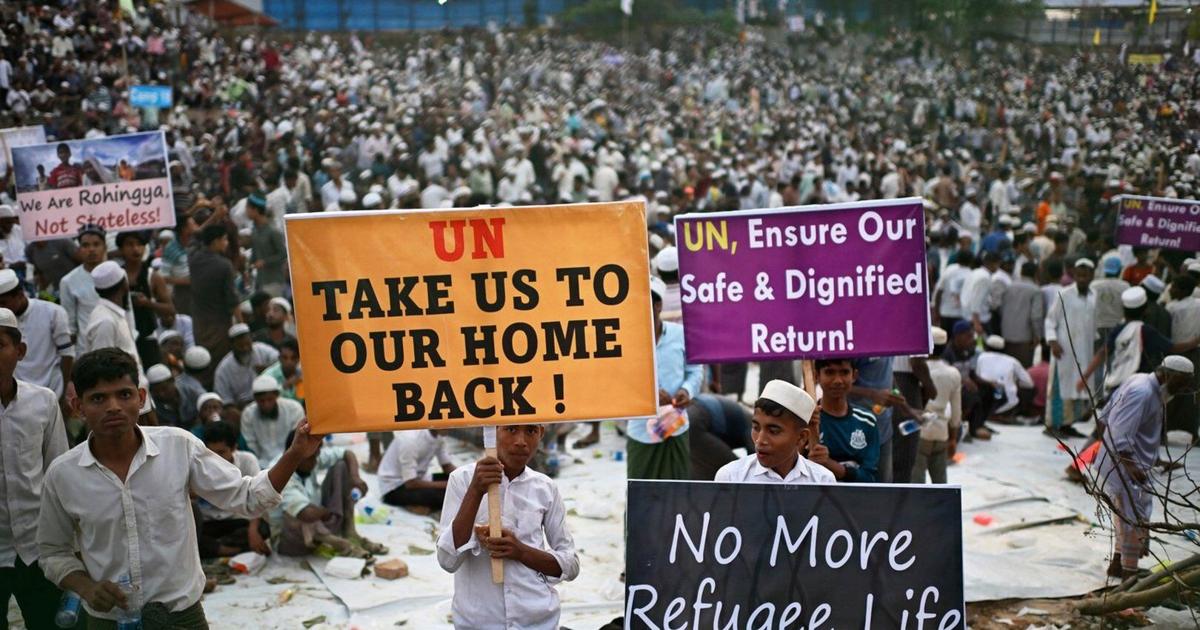
Myanmar’s latest pledge to repatriate 300,000 Rohingya refugees cannot be viewed as a credible commitment. It’s yet another iteration of a well-established diplomatic pattern.
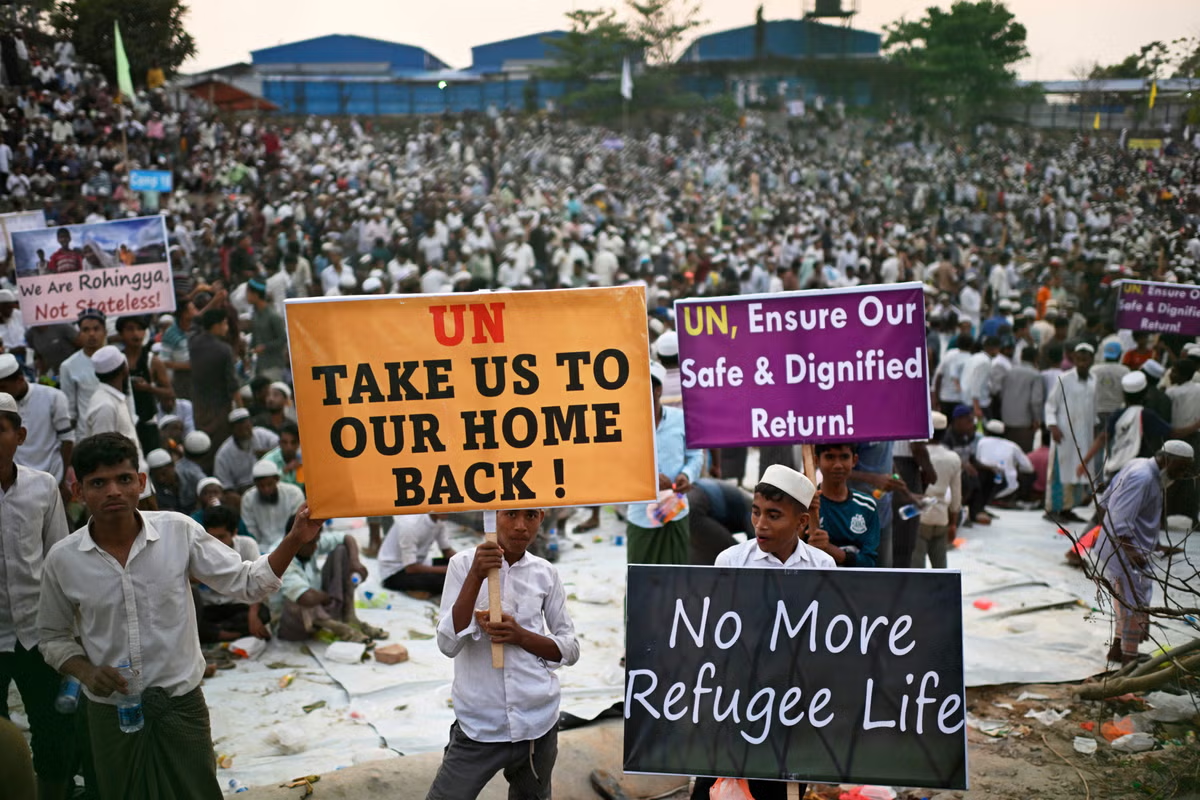
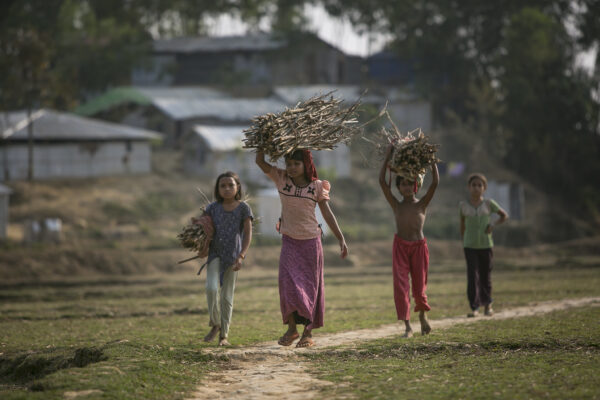
Rohingya children gather sticks at a refugee camp in Cox’s Bazar, Bangladesh, March 2018.
On July 29, Malaysian Prime Minister Anwar Ibrahim remarked that Myanmar had agreed to repatriate 300,000 Rohingya refugees from Bangladesh and 5,000 from Malaysia. Subsequently, Malaysian and Bangladeshi media outlets enthusiastically disseminated the news. However, the very next day, Bangladeshi State Minister for Foreign Affairs Shama Obaed stated that Myanmar had forwarded no such proposal to Bangladesh, and while the two sides maintain contact, the topic of the repatriation of 300,000 refugees has not been discussed.
While people may be tempted to view this event in the context of the domestic politics of Malaysia, it, in fact, confirms a long-standing pattern of behavior on the part of the Myanmar government toward the protracted Rohingya crisis.