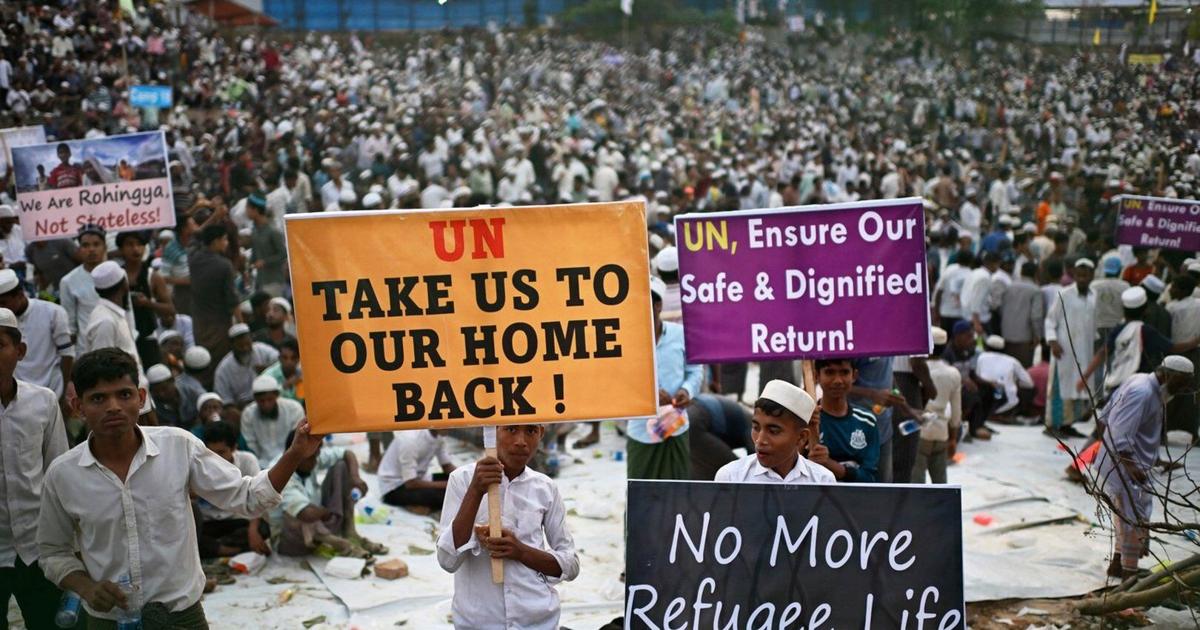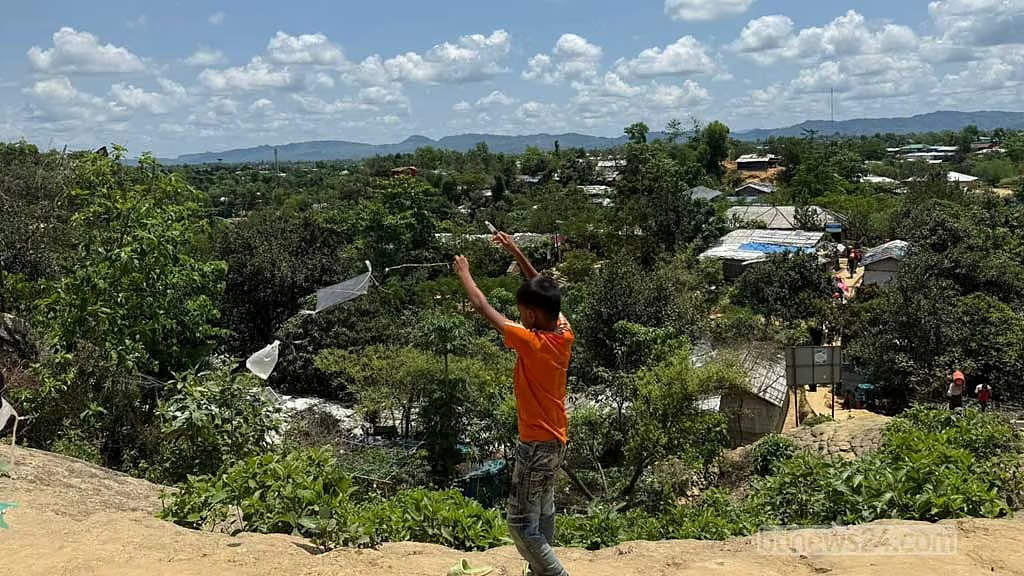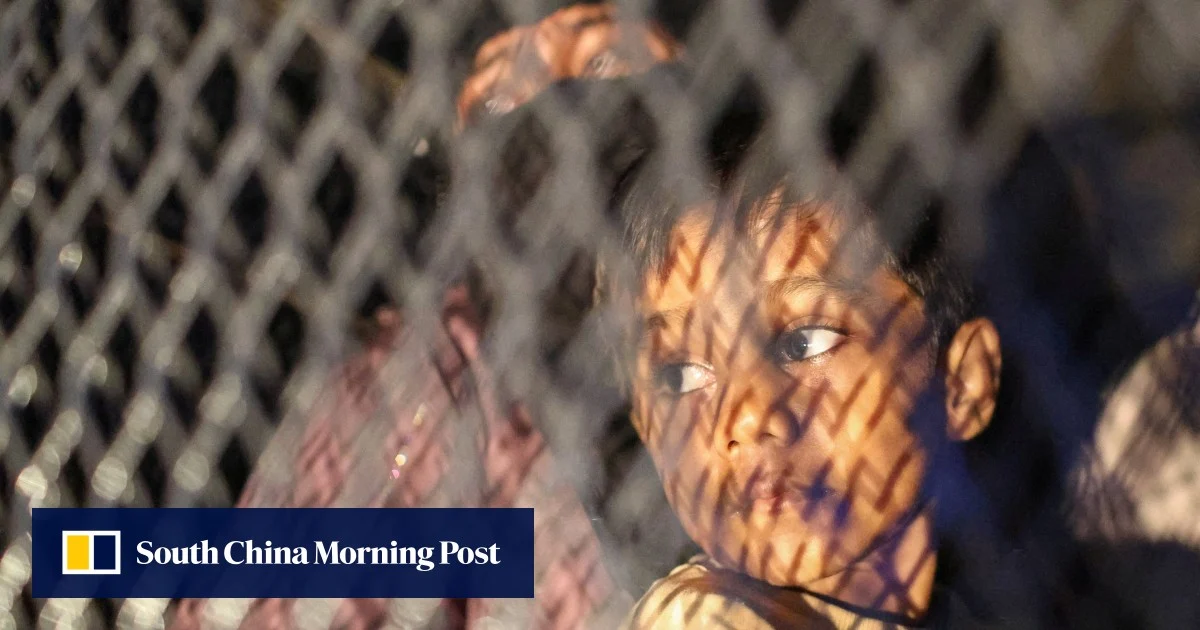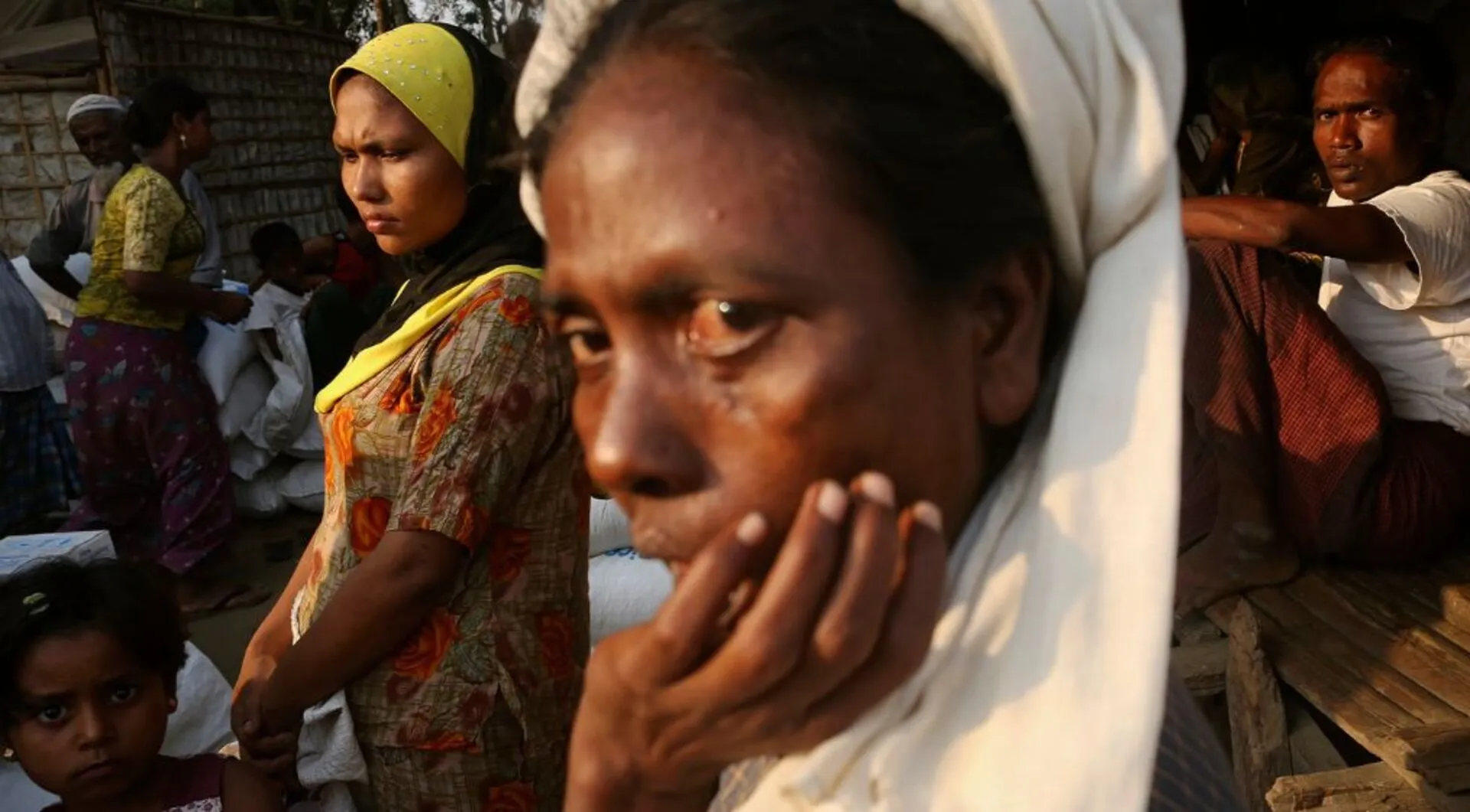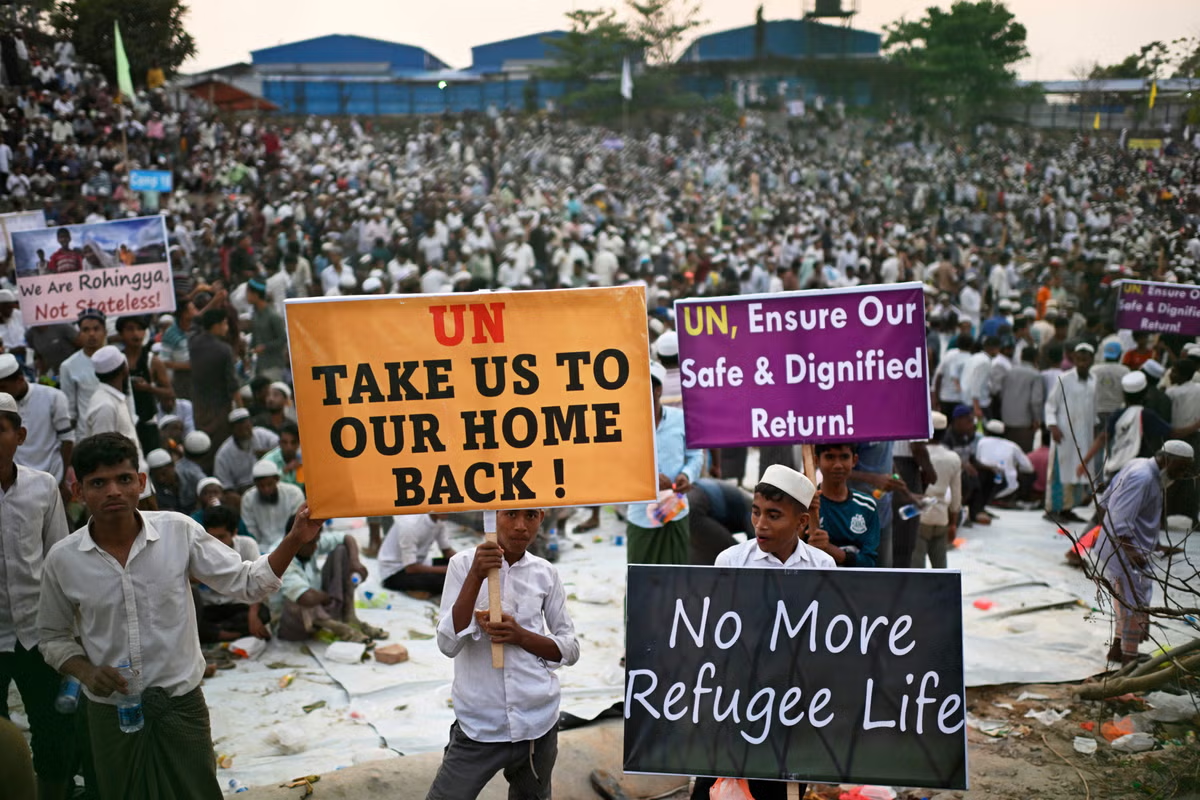
The military-backed government in Myanmar announced on Saturday that it was willing to accept the return of around 300,000 Rohingya refugees currently housed in Bangladeshi camps, confirming they were former residents of western Rakhine state, once security conditions improved.The statement from the foreign ministry comes as the Rohingya refugee crisis marks its ninth year. A brutal military crackdown in 2017 forced nearly 700,000 Rohingya to flee across the border into Bangladesh, where they joined hundreds of thousands of fellow community members who had lived there for decades following earlier waves of violence carried out by Myanmar’s military and ethnic militias against the Muslim minority.The overall scale, organisation and ferocity of the military campaign prompted the international community, including the UN, to issue widespread accusations of genocide and ethnic cleansing.Myanmar, formerly known as Burma, doesn’t recognise the Rohingya as one of the country’s 135 official ethnic minorities. Instead, it labels them as Bengalis to imply that they are illegal migrants originating from Bangladesh.Officials stated that Myanmar had processed a list of 828,824 refugees provided by Bangladesh as of the end of July. Of the 426,545 individuals verified, authorities established that 308,797 were former residents of Rakhine.The foreign ministry noted that 113,507 individuals could not be successfully verified, while 4,241 had taken part in what it described as terrorist activities.Rohingya refugees wait outside a distribution centre after collecting relief materials at the Kutupalong camp in Cox's Bazar, Bangladesh, on 20 December 2025 (AFP/Getty)According to the statement, Myanmar will keep working alongside Bangladesh to receive verified former residents as soon as the security situation in Rakhine stabilises.The ministry further rejected claims that more than a million people had been displaced from Rakhine, arguing that over 540,000 people crossed into Bangladesh after the 2017 outbreak of violence, while more than 200,000 remained in northern Rakhine.Myanmar and Bangladesh agreed a two-year repatriation framework in 2018, but implementation collapsed following the 2021 military takeover that ousted the elected government of Aung San Suu Kyi, sparking widespread armed resistance against junta rule. Repatriation efforts have consistently failed to materialise.Renewed conflict between the military and the Rakhine-based armed group Arakan Army group over control of the region in 2023 caused further displacement, pushing more refugees towards Bangladesh and other countries in a desperate bid for survival. The Arakan Army now holds much of Rakhine after seizing swathes of territory.In recent years, worsening camp conditions, sharp cuts to international humanitarian aid, and a lack of safe prospects for returning to Myanmar have forced large numbers of Rohingya to risk dangerous sea journeys to Malaysia and Indonesia on unseaworthy boats.In July, Malaysian prime minister Anwar Ibrahim said Myanmar had agreed to accept 5,000 Rohingya refugees currently living in his country as part of a return initiative.However, Han Win Aung, an official from Myanmar's foreign ministry, told the Associated Press at the time that the programme was restricted to verified Myanmarese nationals held in detention centres in Malaysia, dismissing reports that the administration would take back any Rohingya.
Myanmar will let 300,000 Rohingya return from Bangladesh ‘once security improves’
Military-backed government has verified that over 300,000 Rohingya living in Bangladesh’s refugee camps are former residents of western Rakhine state
497 words~2 min read