Over the years, I have watched businesses collect more data than ever before. Every customer interaction, every transaction, every online engagement, and every operational activity creates a trail of information. Today, organisations have access to an incredible amount of data, from purchasing patterns and customer feedback to supply chain movements and digital behaviour.
But one thing I have learned is that having more data does not automatically lead to better decisions. Many organisations are surrounded by information yet still struggle with one fundamental question: What does all of this data actually tell us, and how do we use it to make better choices?
Data, in its raw form, is simply information. Its real value comes when businesses can interpret it, identify patterns, and transform those insights into actions that create measurable impact. The companies that succeed are not necessarily the ones with the most data; they are the ones that know how to ask the right questions and use data to guide their decisions.
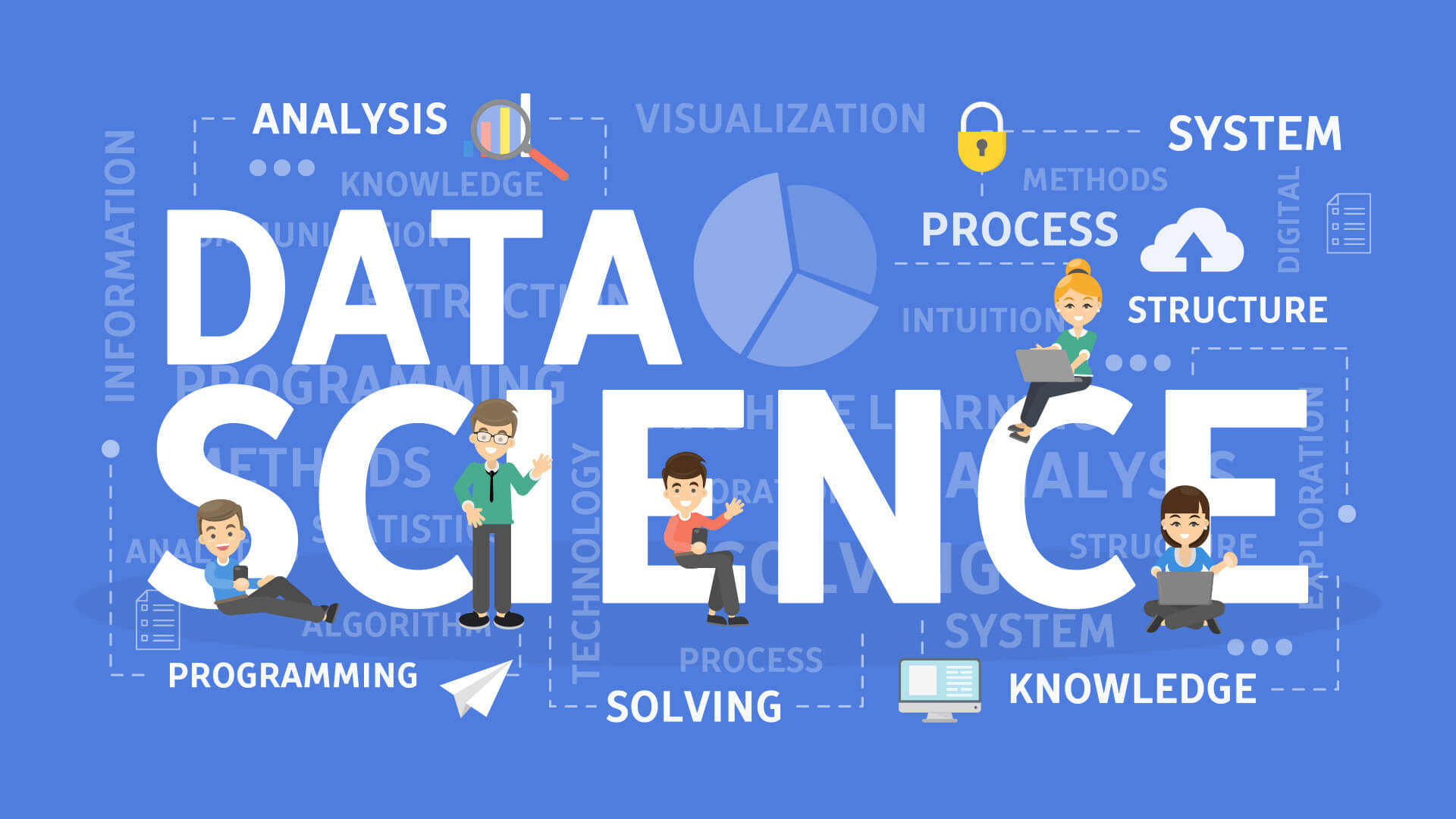
This is where data science has changed the way businesses think and operate. I have seen the shift from organisations relying heavily on historical reports and intuition to businesses using advanced analytics, machine learning, and artificial intelligence to uncover opportunities, anticipate challenges, and make more informed decisions.