Introduction
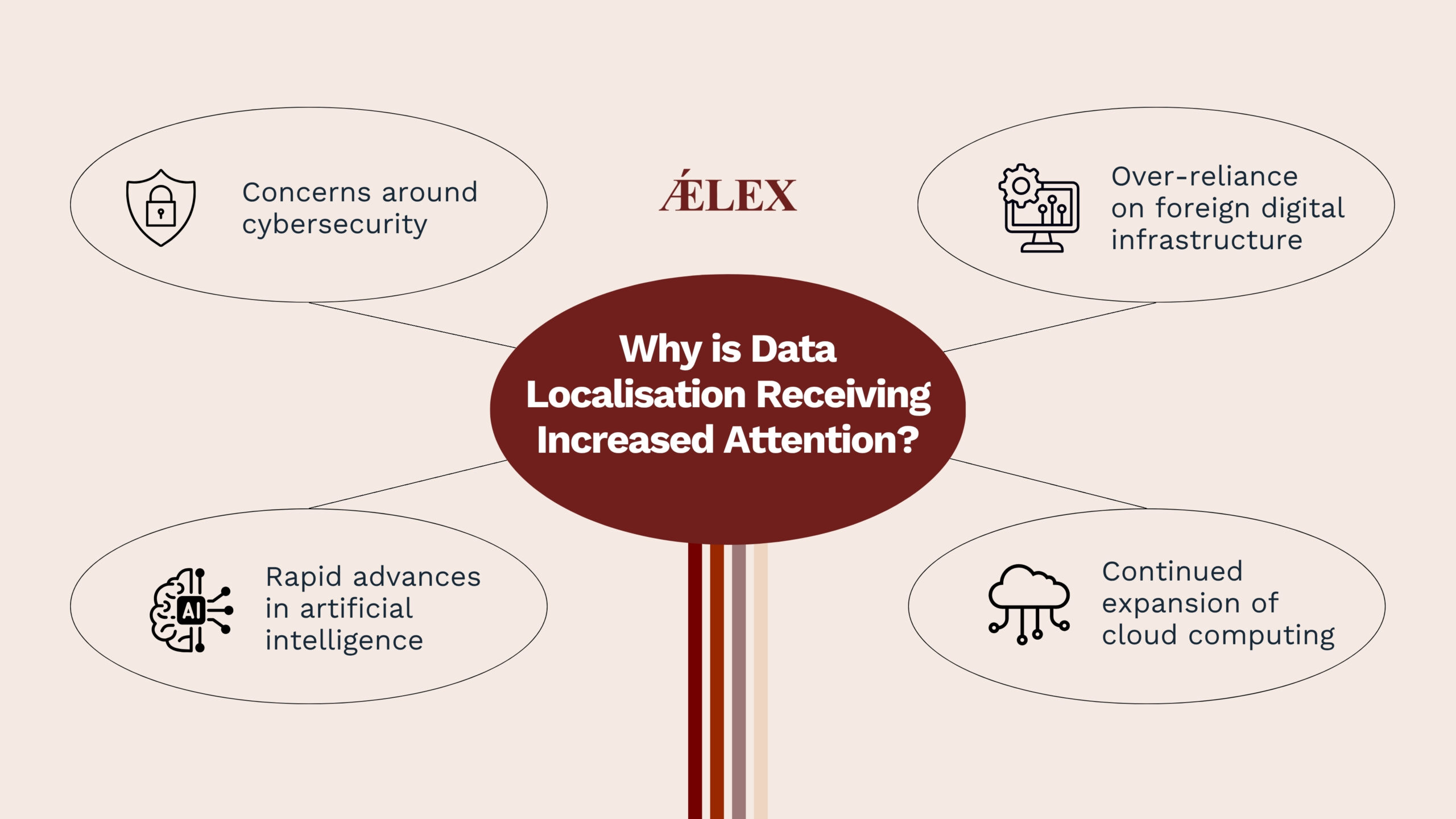
Artificial intelligence, cloud computing, cybersecurity and digital sovereignty have fundamentally changed the way governments think about data. Around the world, policymakers are increasingly asking where data should be stored, who should have access to it and under what circumstances it should leave national borders. These questions are no longer confined to technology policy, they have become matters of economic policy, national security, industrial development and international trade.
Nigeria is no exception. As businesses increasingly migrate to cloud infrastructure and digital platforms become central to commercial activity, questions surrounding data localisation have become more prominent. Financial institutions, telecommunications operators, healthcare providers, public institutions and multinational companies are all grappling with how best to manage data within an increasingly complex regulatory environment.
Yet, despite the growing attention the topic has received, one misconception persists: that Nigeria has a single data localisation law requiring all data generated within Nigeria to remain in Nigeria.
It does not.