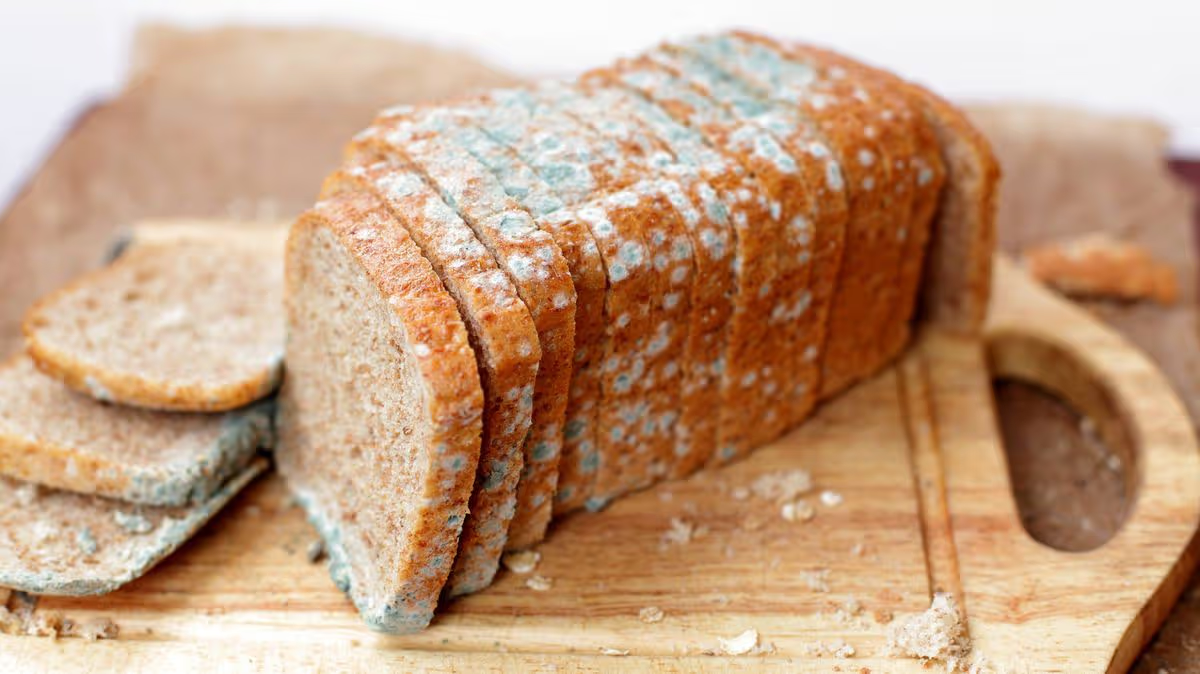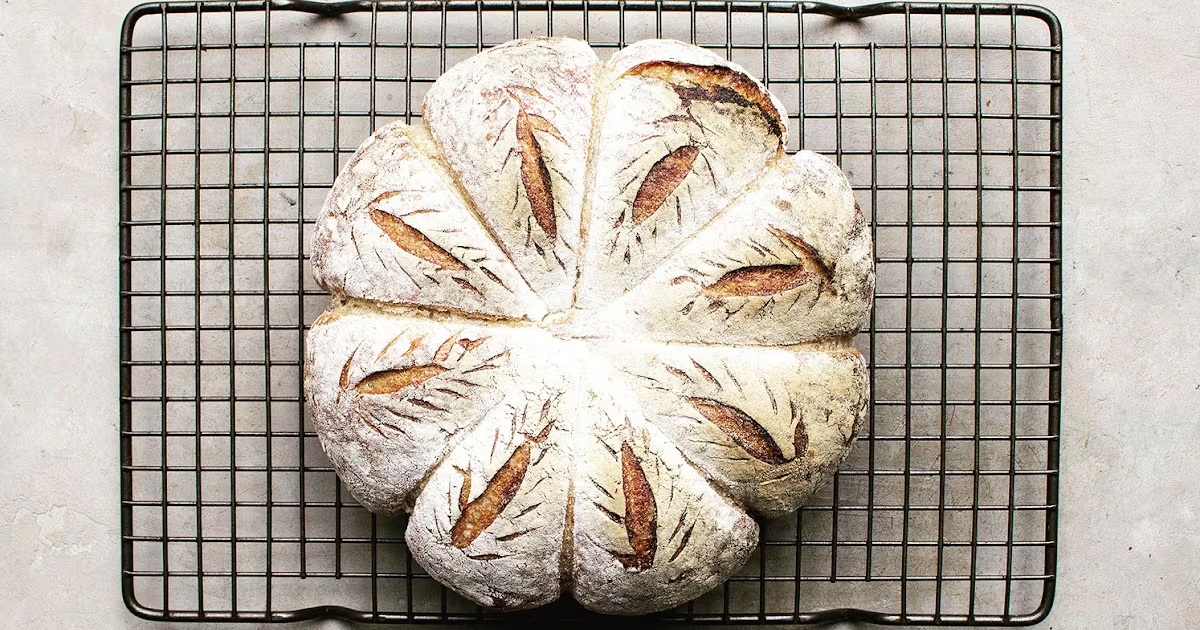
Freshly baked bread is one of our great accessible luxuries. In New York, a loaf of what I’ll call “fancy sourdough” costs somewhere between $8 and $15 and can easily become a meal or elegant snack without much fuss. Things get tricky, though, once you’ve eaten that first slice and the bread threatens to stale. For those of us who live alone or those whose housemates don’t appreciate a good loaf, this can feel like a race against time and a test of our daily capacity for carbs.
I spent a decade dutifully freezing my bread in order to preserve it. Each time I bought a new loaf, I’d slice it up; wrap the slices in wax paper or parchment; tuck them, sardinelike, into one of the zip-top bags that I have recycled for years and which smell, vaguely, like old freezer; then take out slices on an as-needed basis. I’d toast them or fry them in oil to revive them, and this worked well enough, even though the slices tended to shrink into themselves after a week or two, their surfaces never fully flat; after that, they took on the cursed white cast of freezer burn. I never ate fresh, untoasted bread, and I told myself that this was fine.
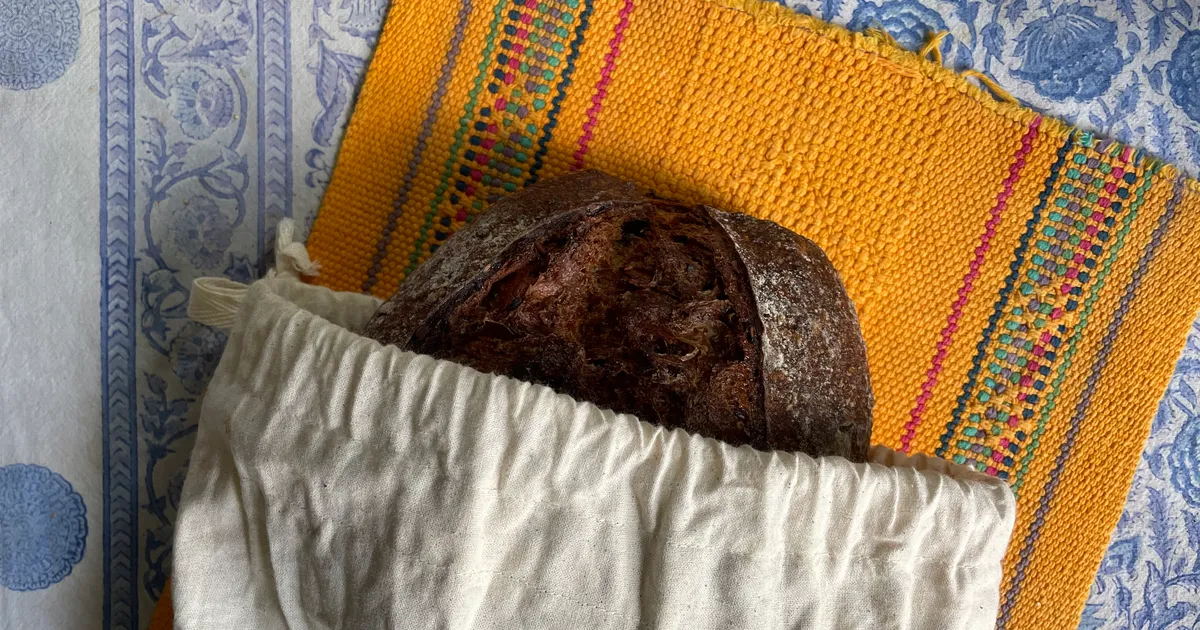
Then, last month, I tried out one of Bee’s Wrap’s new bread bags, and it completely changed my kitchen’s relationship to bread. The bags are made from organic cotton and lined with beeswax, a combination that allows the bread enough airflow to stay fresh — bread lovers will be familiar with the chewy, near sogginess that a good loaf of bread takes on when you store it in a Ziploc — while the wax retains moisture and keeps it from staling. The bag closes with a drawstring, which makes for easy access. After I eat my first slice or two, I can place the loaf in the bag, and the sliced edge will stay soft and springy for a week. It works so well that I can even cut a slice of bread, realize I don’t want it, and then store it in the bag until I’m ready for another slice of toast, though my desire never lies dormant for long. After a few days in the bag, the loaf’s crust will soften a bit, but I consider this the most minor of sacrifices.