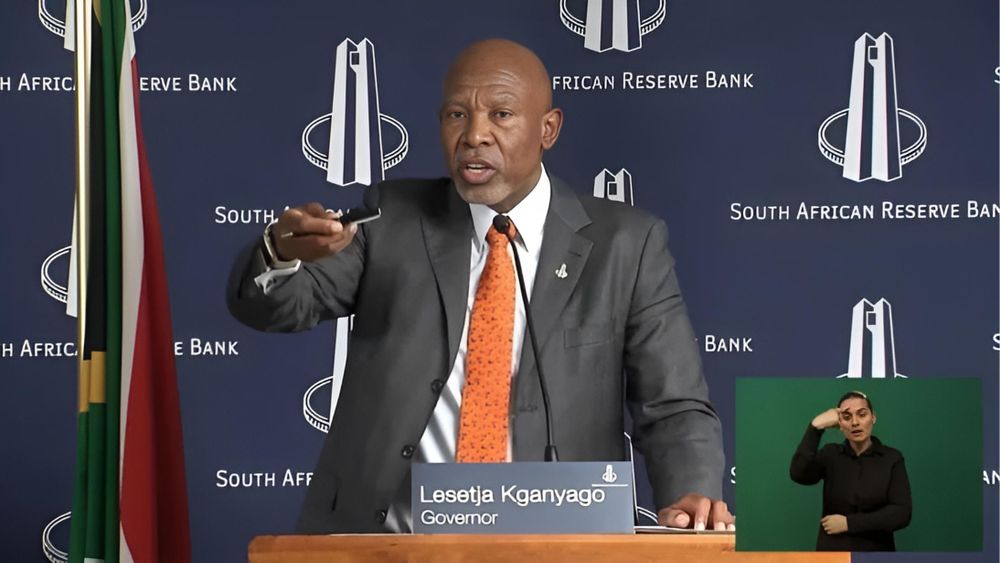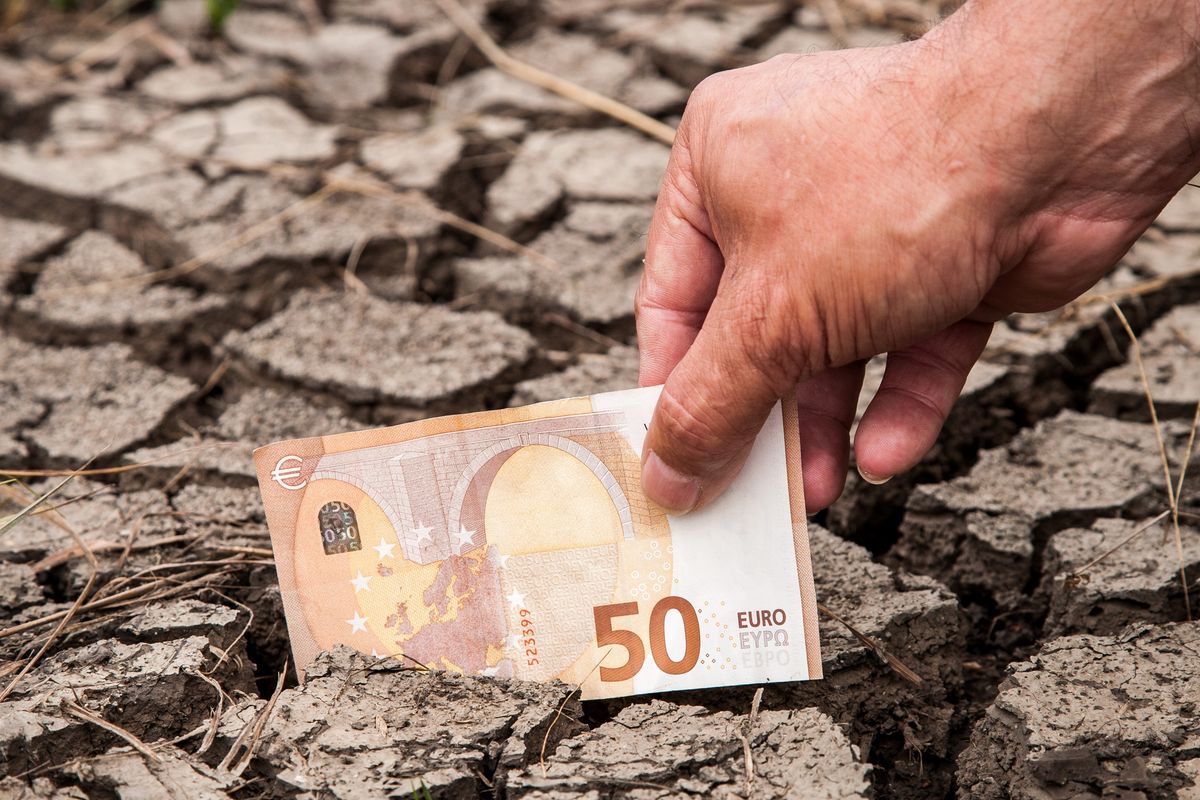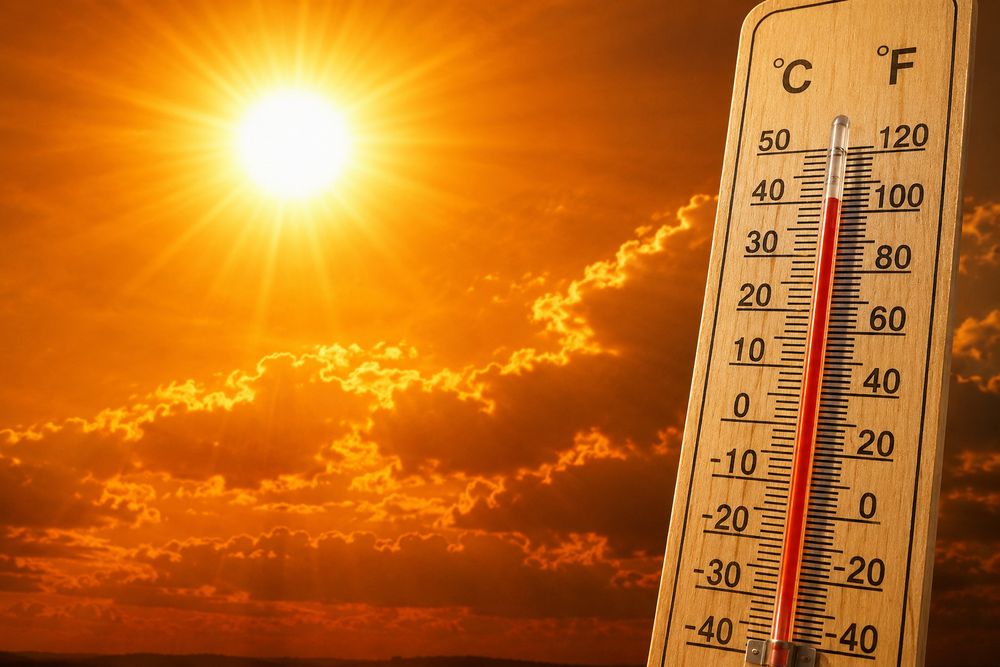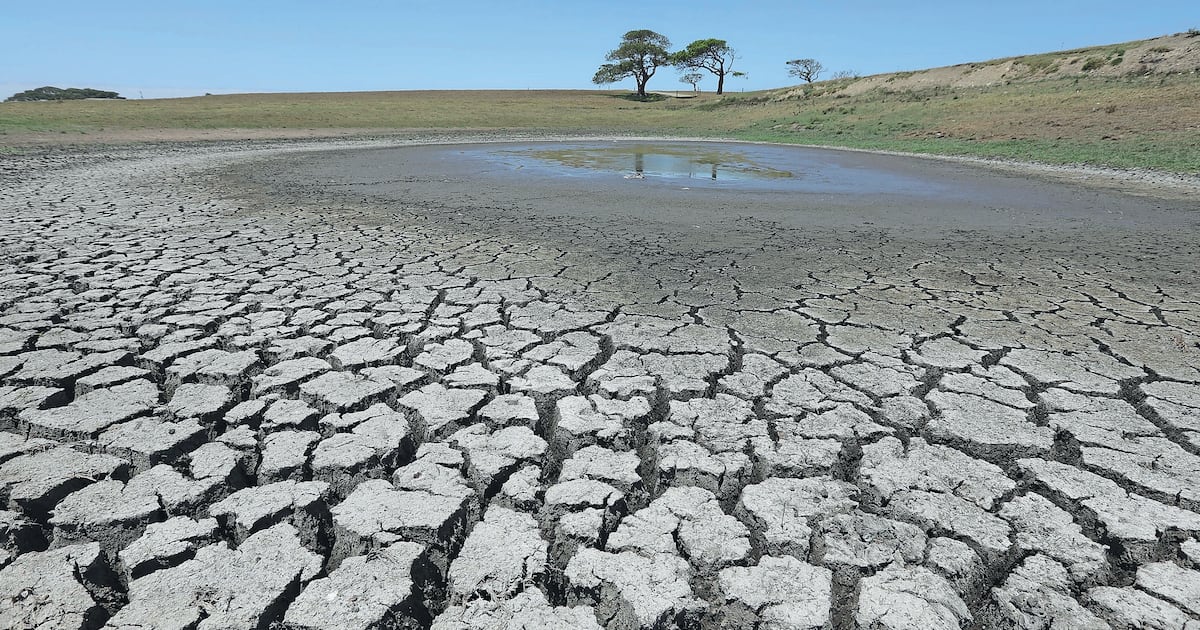
Research and policy direction conducted by the South African Reserve Bank has stressed the era of treating climate change as a purely environmental phenomenon is over. Governor Lesetja Kganyago has confirmed climate change will now play a key part in the central bank’s scenario planning. This is not merely a foresight academic exercise. The looming threat of a “super El Niño” in the 2026/27 summer is the first major test of this new paradigm, and it presents the Bank with its most complex policy dilemma in years. For the Reserve Bank, whose constitutional mandate is price and financial stability, the immediate concern of the incoming El Niño is inflation, especially as the arrival of the likely El Niño-induced drought is due to coincide with South Africa’s 2026/27 summer crop season. A severe El Niño typically brings drought, extreme heat and reduced agricultural output. South Africa enters this period with the advantage of record-breaking grain stocks and favourable soil moisture from previous seasons, but this buffer is finite. If the drought is as intense as forecasters warn, food prices, which comprise a significant portion of the consumer basket, will inevitably rise. It must not be forgotten that food remains an important component of South Africa’s inflation basket. While it is difficult to scale or measure the incoming effects of El Niño, a climate shock that could affect the supply side of agriculture does not respond to traditional monetary policy. As economists have noted, traditional monetary policy tools might be insufficient against such climate shocks. Provided that climate change shocks raise inflation uncertainty, the shocks have become sources of inflationary pressures and uncertainty, posing significant challenges to central banks’ inflation management. Ultimately one factor of this reality is that the Reserve Bank stands to face some difficulty in stabilising inflation, given that monetary policy instruments are mainly demand management and may prove ineffectual in addressing climate-related shocks. By derisking agriculture and improving its ability to withstand climate shocks, stakeholders can reduce the inflationary pressure that would otherwise be transmitted to the Bank via the food basketWhen a drought pushes up the price of maize, hiking interest rates does not stand to make it rain. Instead it compounds the misery for consumers and businesses already grappling with higher food costs by increasing the cost of credit. This makes the Bank’s dilemma particularly acute. Raise rates to contain the inflation driven by an unavoidable weather event and you risk strangling the broader economy. Keep rates steady and you risk inflation expectations becoming entrenched. Recent data illustrates the challenge of maintaining this balance. In July the Reserve Bank’s monetary policy committee (MPC) defied market expectations by keeping the benchmark repo rate steady at 7%, even as inflation spiked to 5%. While this decision was driven partly by geopolitically induced fuel price shocks, the spectre of El Niño was already noted by the central bank as a long-term potential threat. This is where the need for a cohesive policy response between the Bank and National Treasury becomes critical. The central bank cannot solve a climate-driven food crisis alone. As deputy governor Fundi Tshazibana has argued, effective responses require co-ordinated policy action across governments, regulators and central banks. Without this co-ordination the Bank’s climate scenario planning risks being a reaction to an inevitability, rather than a proactive shield for the economy. The National Treasury and the Development Bank of Southern Africa must act in concert with local and provincial governments and bolster the economy’s resilience before the shock hits. This means working alongside municipalities to accelerate public and private investment in water infrastructure, drought-resistant seed cultivars and other interventions that can soften the blow of a dry season. By derisking agriculture and improving its ability to withstand climate shocks, stakeholders can reduce the inflationary pressure that would otherwise be transmitted to the Bank via the food basket. The super El Niño is far from only a farmer’s problem; it is a challenge for the entire economic and environmental policymaking apparatus. The Reserve Bank can model the risk and adjust its monetary policy to avoid over-reacting, but it cannot fill the dams or finance the infrastructure needed for long-term resilience. A co-ordinated effort is the only way to shield South Africans and key economic sectors and industry from the most severe economic consequences. Without it, we risk paying the price not only at the dinner table, but in stunted economic growth for years to come. • Kinnes is a researcher with special interests in areas of defence, human security and climate-induced conflict.
SHAUN KINNES | Reserve Bank’s looming forecasting test
Climate change forces new policy playbook for South Africa’s central bank
754 words~3 min read