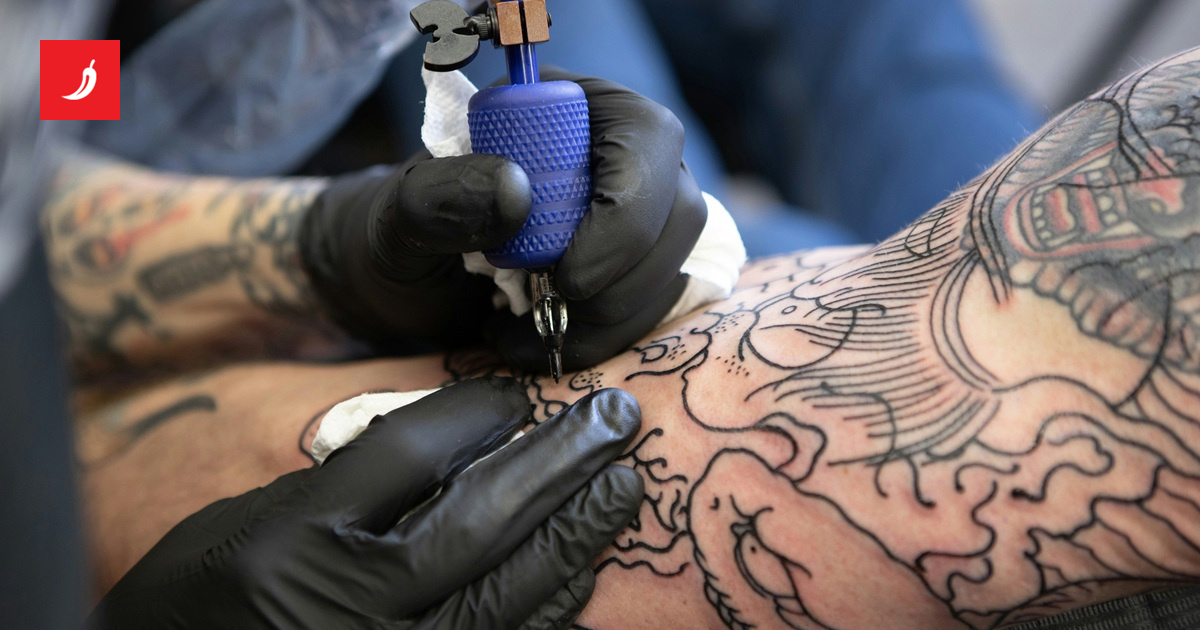
Tattooing is an art form that humans have practiced for thousands of years.We inscribe our bodies with images and markings we find meaningful, using needles to breach the skin barrier that protects us to deposit ink that remains permanently embedded just below the epidermis.Ideally, you don't want that process of deposition to include possible pathogens, and in recent years, the tattoo industry has upped its game in terms of sterilization.Even so, a 2024 US Food and Drug Administration study found something worrying. They tested a batch of 75 sealed tattoo and permanent makeup inks and discovered that a third of them harbored bacteria, some of which can make humans ill.Now, they've widened their net to make sure that finding wasn't an anomaly.In a retrospective analysis of four FDA tattoo ink investigations conducted between 2018 and 2024, they have found that a third of the 259 unopened jars of tattoo and permanent makeup ink tested contained bacteria, for a total of more than 250 bacterial isolates representing 94 species – some of which are known human pathogens.That 2024 study was not a fluke."These findings underscore that microbial contamination in tattoo and permanent makeup inks is widespread and diverse, reinforcing the need for sensitive molecular detection methods, expanded surveillance, and harmonized manufacturing standards to ensure product safety," writes a team led by FDA microbiologist Ohgew Kweon in a paper published in Scientific Reports.
Tattoo Ink Isn't as Sterile as We Thought, And That's a Problem
Tattooing is an art form that humans have practiced for thousands of years.
989 words~4 min read