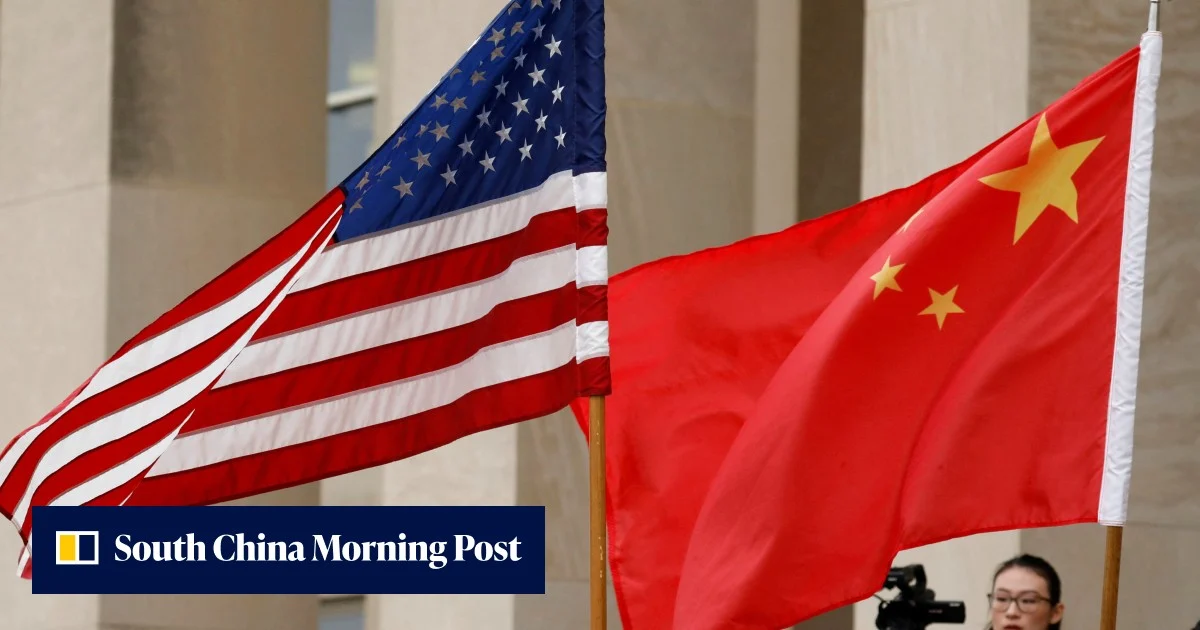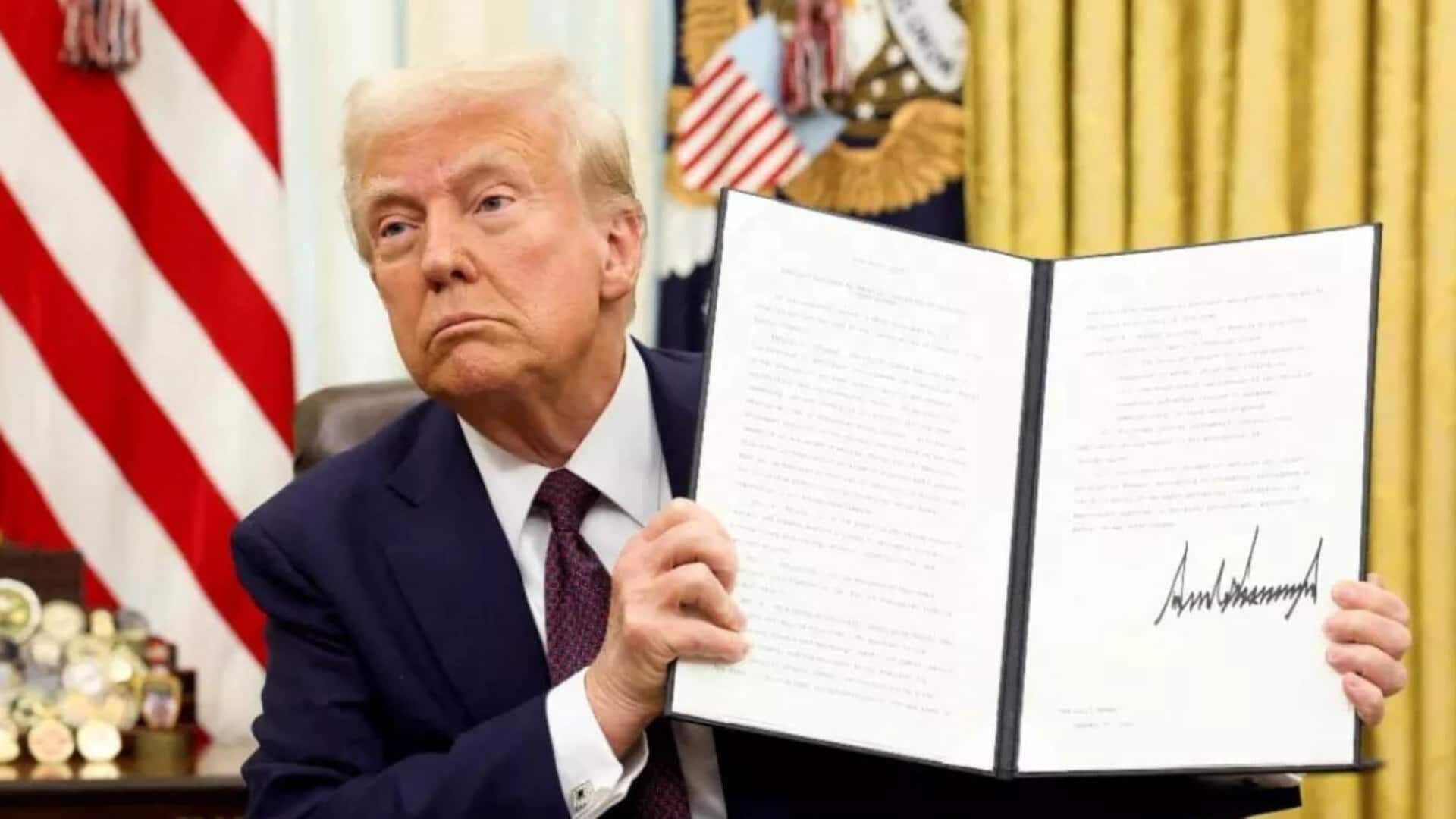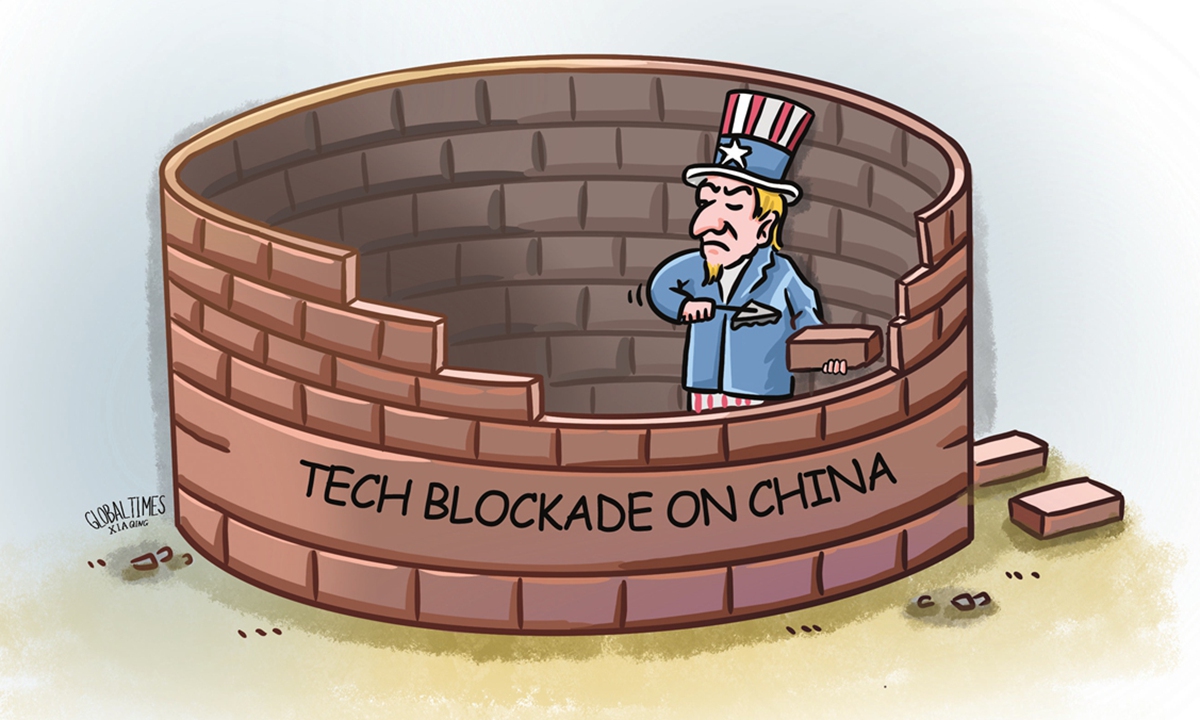
Washington’s long-running effort to untangle American supply chains from Chinese manufacturing has entered a new, more aggressive phase. A 15% tariff on polysilicon derivatives, signed on August 6, 2026 and set to take effect December 4, represents the latest salvo in a broader campaign to reduce US dependence on Chinese-controlled materials critical to both the semiconductor and solar industries.
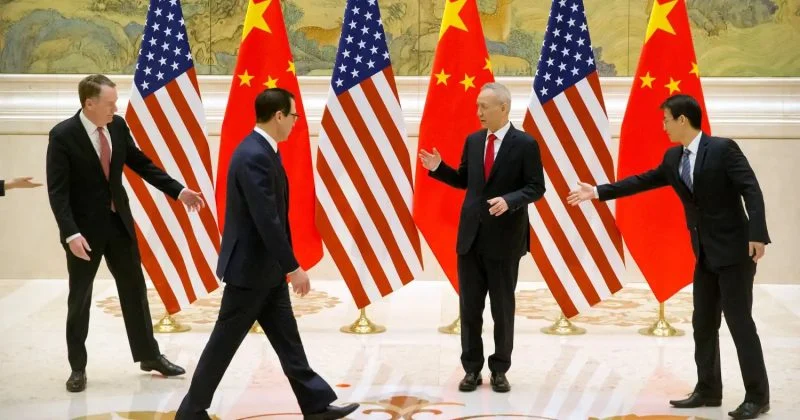
The move lands in a trade landscape that already looks dramatically different from just two years ago. The US-China goods trade deficit shrank by 32% year-over-year in 2025, the first time since 2000 that China didn’t sit atop America’s list of largest trade deficit partners.
The polysilicon problem
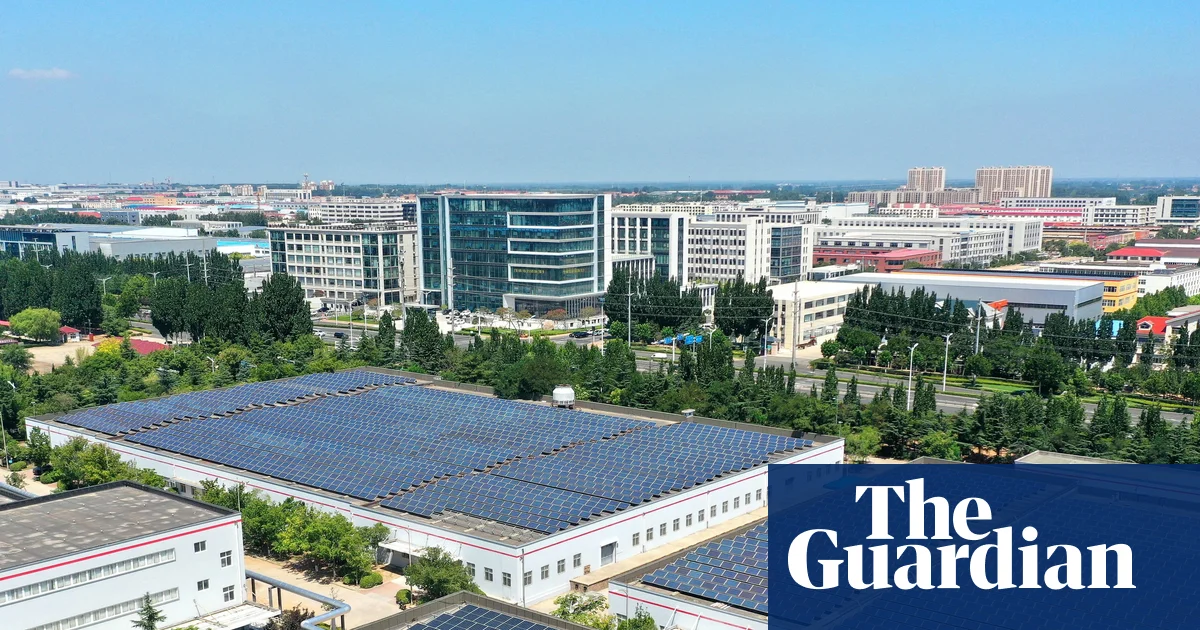
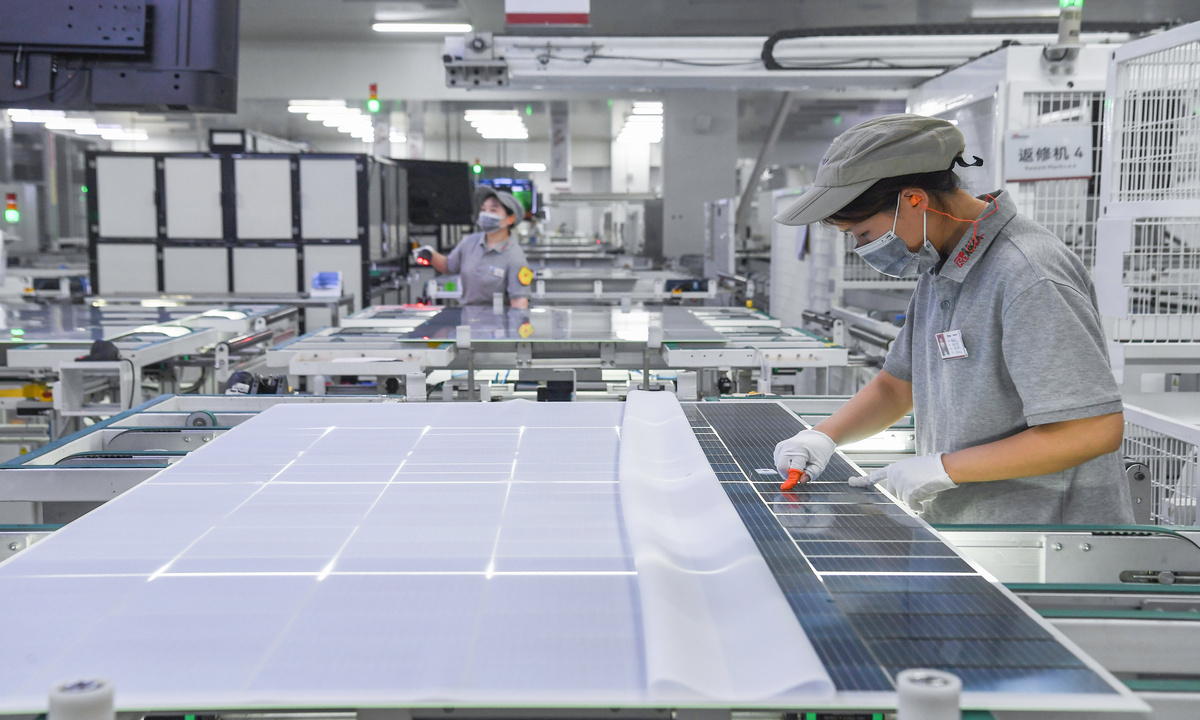
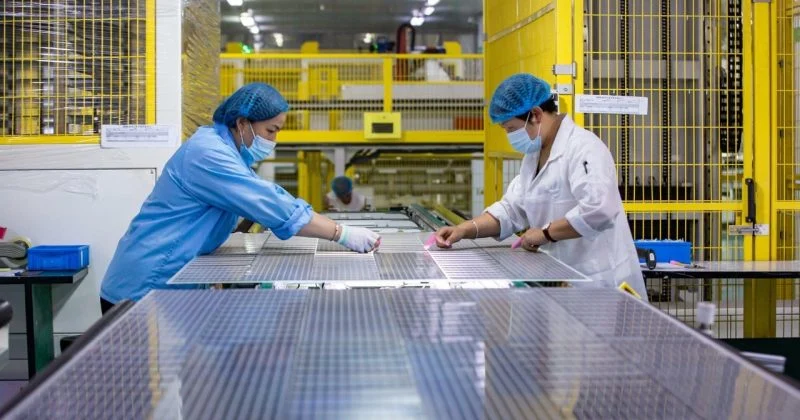
The new tariff targets a vulnerability that’s been years in the making. US share of global polysilicon production capacity collapsed from roughly 50% in 2005 to under 2% by 2024. By slapping a 15% ad valorem duty on polysilicon derivatives under Section 232 authority, the administration is betting that price signals can coax production back onshore.
The May summit and managed trade