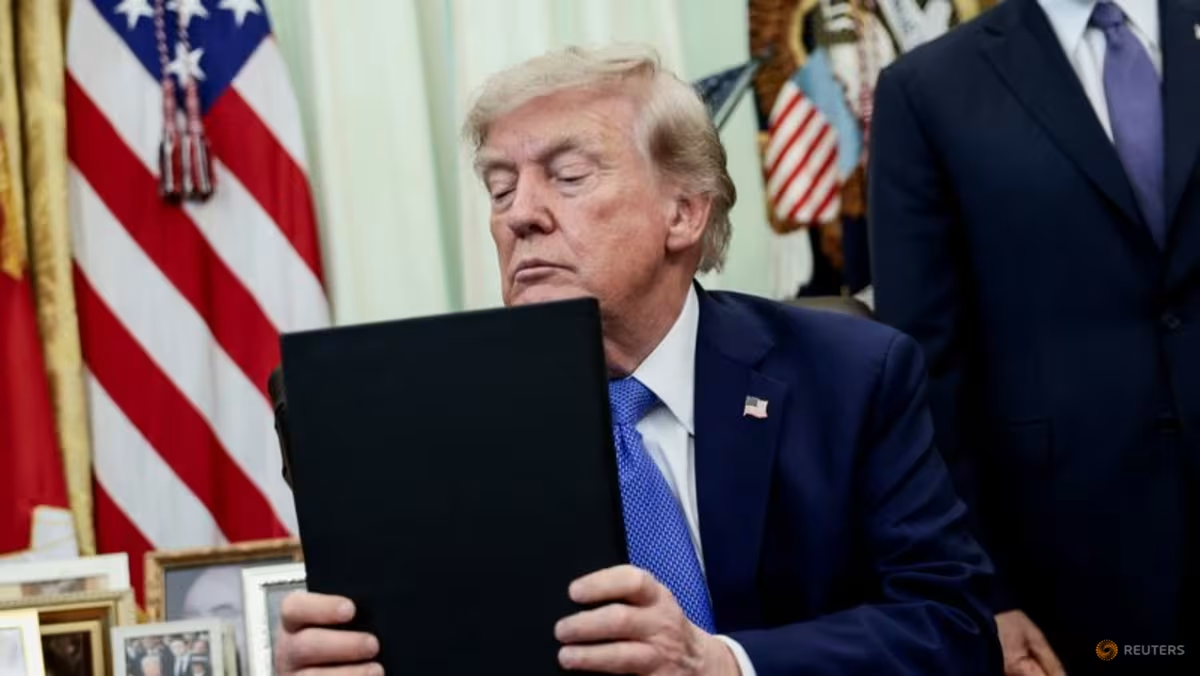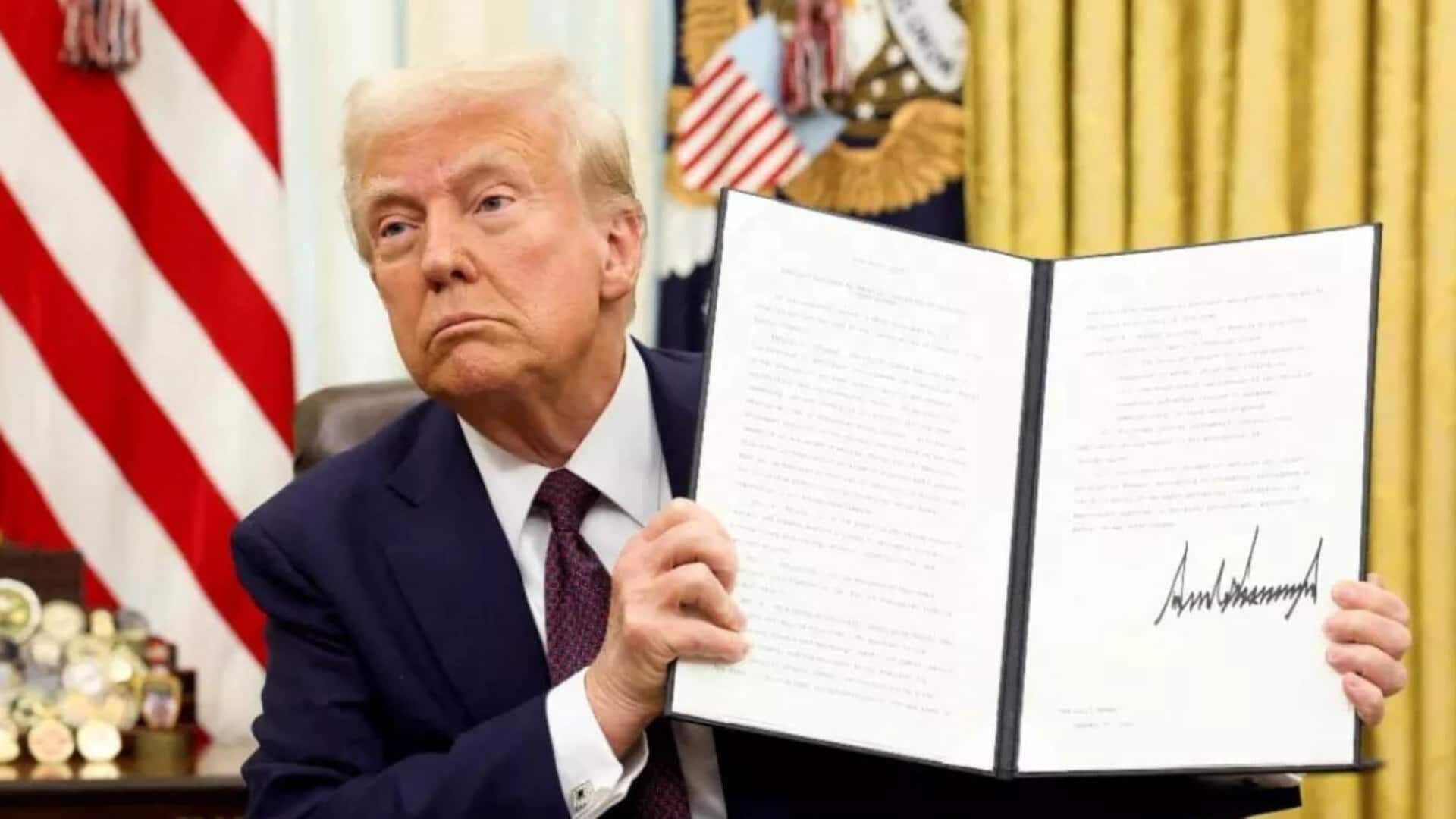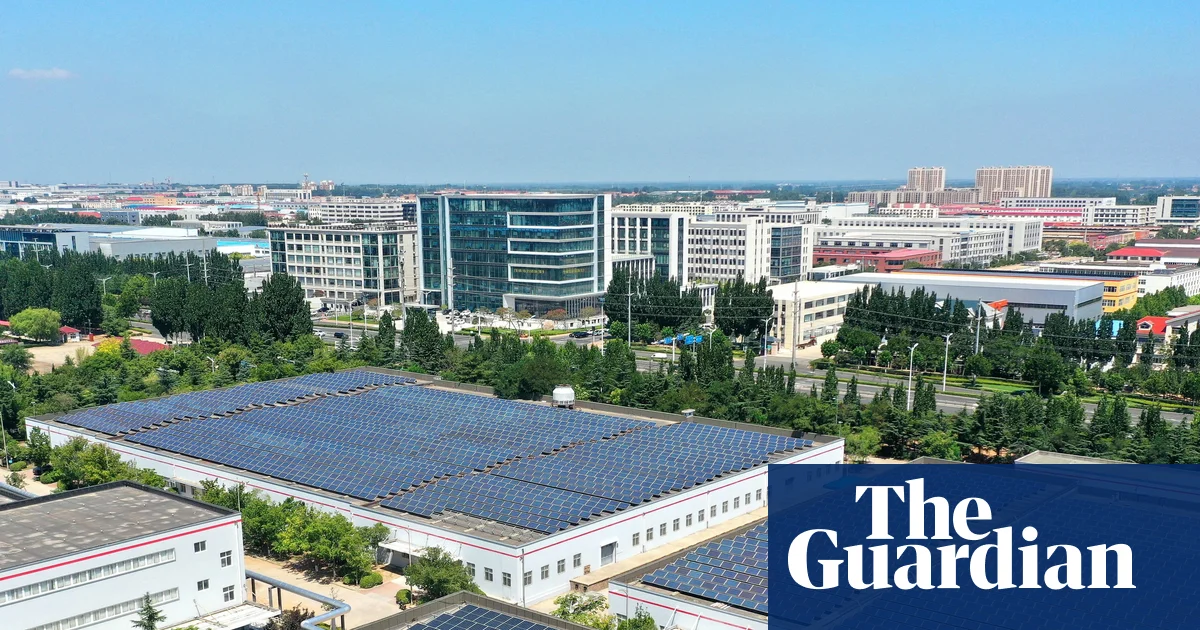
President Donald Trump signed a presidential proclamation on August 6 introducing a 15% tariff on downstream polysilicon derivatives, including ingots, wafers, cells, and modules. The action, taken under Section 232 of the Trade Expansion Act, frames China’s dominance over the solar supply chain as a national security threat and attempts to rebuild a domestic manufacturing base that has effectively vanished over the past two decades.
The tariffs are set to take effect on December 4, 2026.
What the new tariffs actually look like
Beyond the flat 15% ad valorem rate, the proclamation establishes minimum import prices designed to prevent foreign producers from undercutting US manufacturers through aggressive pricing. Polysilicon faces a floor of $21 per kilogram. Ingots and wafers carry a minimum of $100 per kilogram. Solar cells must clear $0.22 per watt, and finished modules $0.38 per watt.
The proclamation also includes domestic content requirements that ratchet up over time. Manufacturers must hit a 50% domestic content threshold by 2026, rising to 80% by 2029. That’s an aggressive timeline for an industry where the US currently accounts for less than 2% of global polysilicon production.