August 11th, 2026
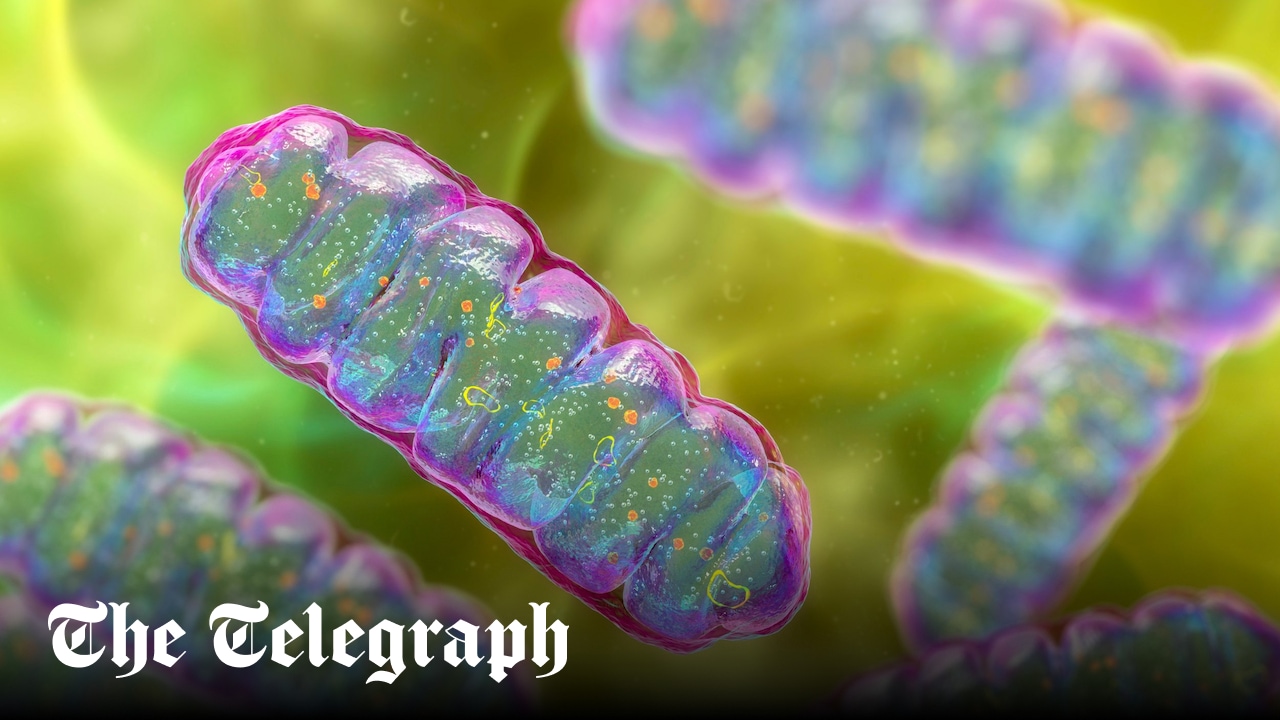
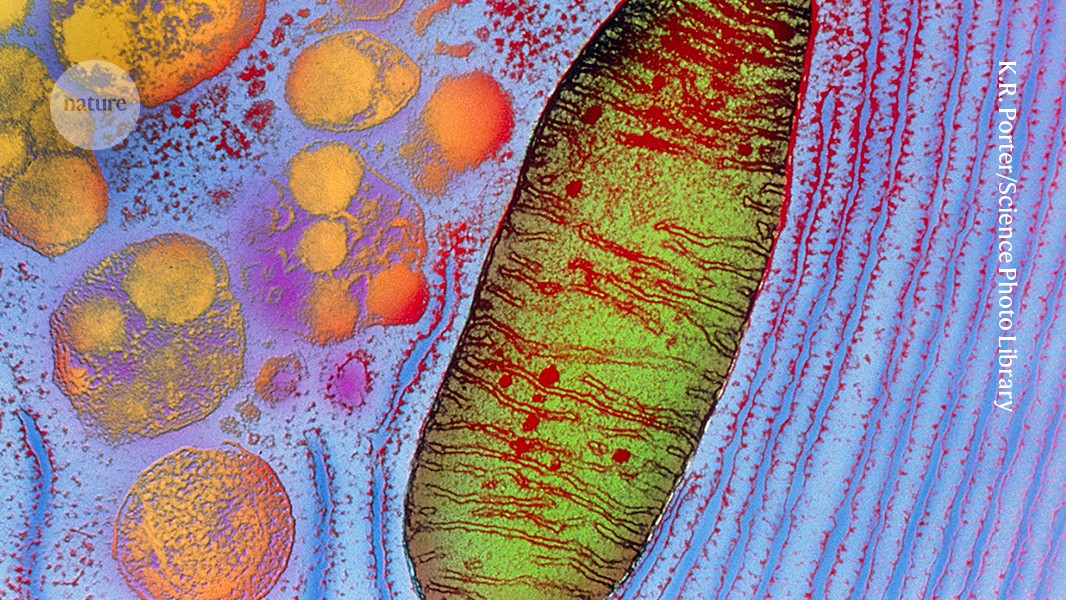
Mitochondrial transplantation is a promising approach to treating age-related mitochondrial dysfunction. Cells readily take up mitochondria from their surroundings. The major challenge in the development of practical mitochondrial transplantation therapies is the robust production of the large numbers of mitochondria needed for a human therapy. Ways to improve the survival and uptake of mitochondria are thus helpful because they reduce the manufacturing burden, lowering the number of mitochondria needed for a successful treatment. Researchers here upon tools used in lipid nanoparticle therapies and gene therapies and demonstrate that they can be used to improve the delivery and uptake of mitochondria into cells in tissues.
Mitochondrial transplantation has emerged as a promising strategy for modulating cellular bioenergetics in mitochondrial dysfunction. However, isolated mitochondria suffer from poor stability and limited cellular uptake, restricting their therapeutic application. To address these limitations, we developed a surface engineering strategy that stabilizes isolated mitochondria while enabling interactions with target cells, providing a platform for selective organ- and cell-targeting. Polyethylene glycol (PEG) with lipid/carbon chains was introduced to mitochondria-associated membrane structures, forming a protective hydration layer on the mitochondrial surface. This PEG layer also serves as a modular platform for functionalization with biomolecules, such as peptides and antibodies, thereby broadening its biomedical applications.