(Image credit: Shutterstock)
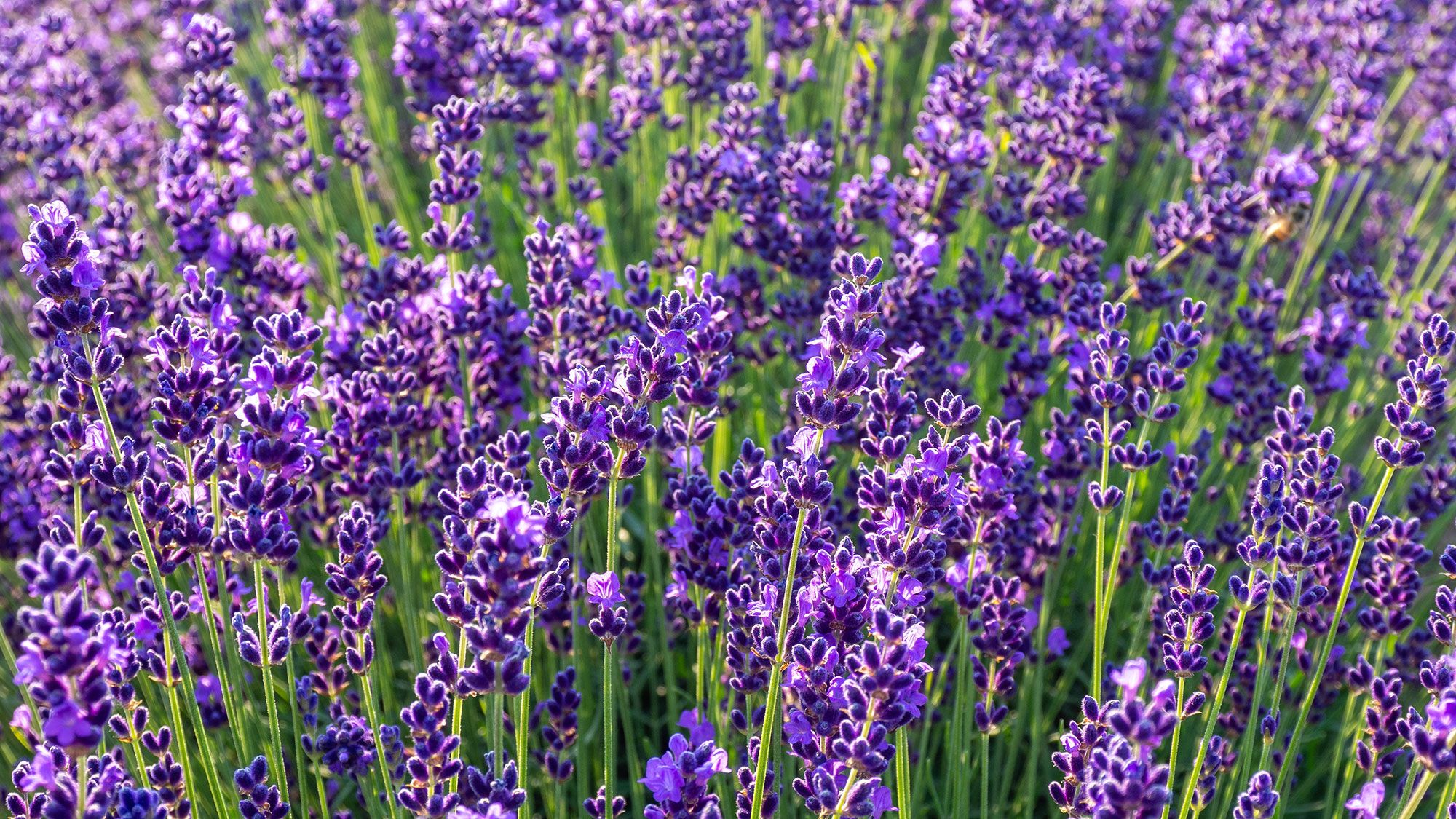
Lavender is one of my favorite plants that rewards me with delicate flowers and an enticing scent. But apart from my own enjoyment, this perennial shrub is a haven for wildlife and loved by pollinators. It’s a win-win specimen to grow in any yard.And now that we are moving into late summer, August is the perfect month to prune lavender. But there is one thing you need to know before you get out your pruning shears to ensure your lavender continues to flourish next year.Adam Kirtland, a gardener who shares his insight on Instagram @viewfromthepottingbench, explains how you should prune lavender and the common pruning mistake you need to avoid.How to prune your lavender for a healthy plant
(Image credit: Shutterstock)“By now your lavender is probably leggy and has lost some of its color, but spending a bit of time now will give you an amazing plant next year,” explains Kirtland.And he suggests following the ‘888 rule’, which refers to pruning your lavender on the 8th day of the 8th month, and by 8 inches. But don’t worry, although August 8 has passed, you’ve still got time to prune your lavender.“You’ll know that your lavender is ready to prune when it’s brown and crispy, but if yours has still got color then you can absolutely wait,” he explains.So, how do you prune lavender and what do you need to avoid?Get instant access to breaking news, the hottest reviews, great deals and helpful tips.Kirtlands explains that the aim is to cut above the brown and woody growth. He demonstrates by showing the brown part on a plant with a green section above, which is where you need to snip.“If you cut too low, you’ll enter the woody base, and it won’t regrow. If you cut it too high, then it’ll stay leggy. This rule keeps it neat, bushy and blooming,” he saysWhat’s more, he reminds gardeners to use a sharp pair of pruning shears and to cut into the green growth, not the woody base. “You can either cut off individual blooms or do what I do and grab a bunch and snip all the way through. Work your way around the whole bush, and the aim is to have a nice round mound,” he explains.