European capitals have become increasingly vocal about the need for Europe to participate in negotiations aimed at ending Russia’s war against Ukraine. This is only natural. Europe’s own security is at stake, and any settlement will shape the continent’s future above all.
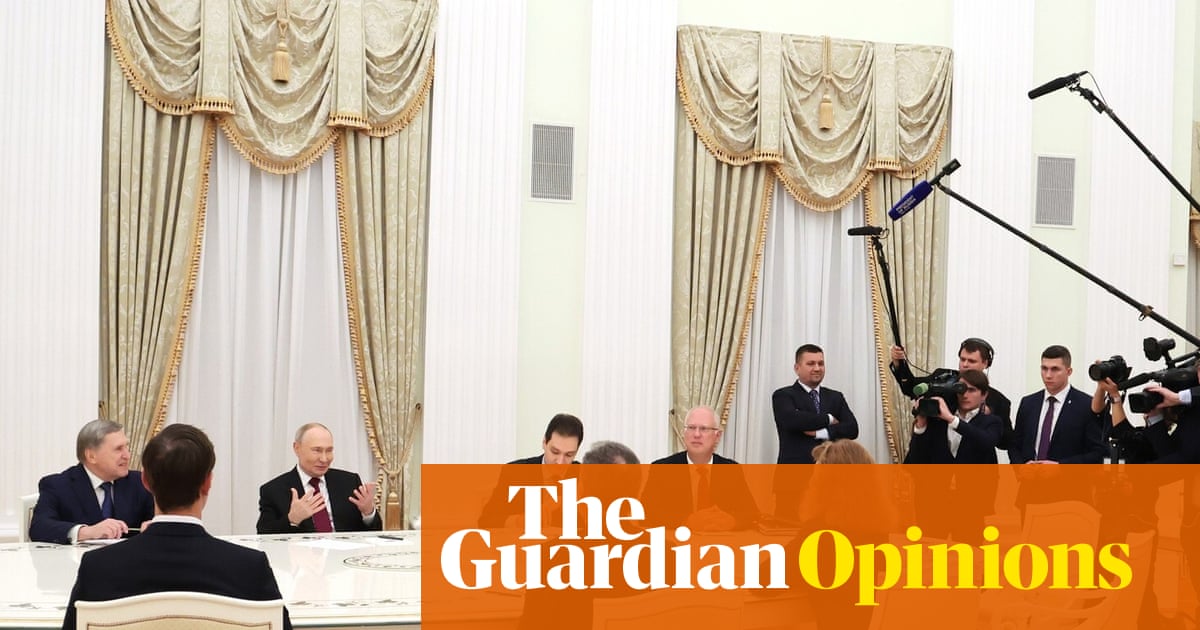
Yet Moscow consistently rejects Europe’s right to participate as an equal party. The Kremlin prefers to deal either directly with the United States or within formats where Europe’s voice is diluted among many others.
It would be a mistake to explain this solely by Russian arrogance. Russia has traditionally recognised only those interlocutors whom it considers capable of influencing the balance of power.
As long as Europe remains politically fragmented, constrained by cumbersome decision-making procedures and deprived of a single strategic voice, the Kremlin will continue to dismiss it as an independent geopolitical actor.
The real question, therefore, is not who should represent Europe at the negotiating table, but what Europe itself must do to ensure that the Kremlin can no longer ignore it.