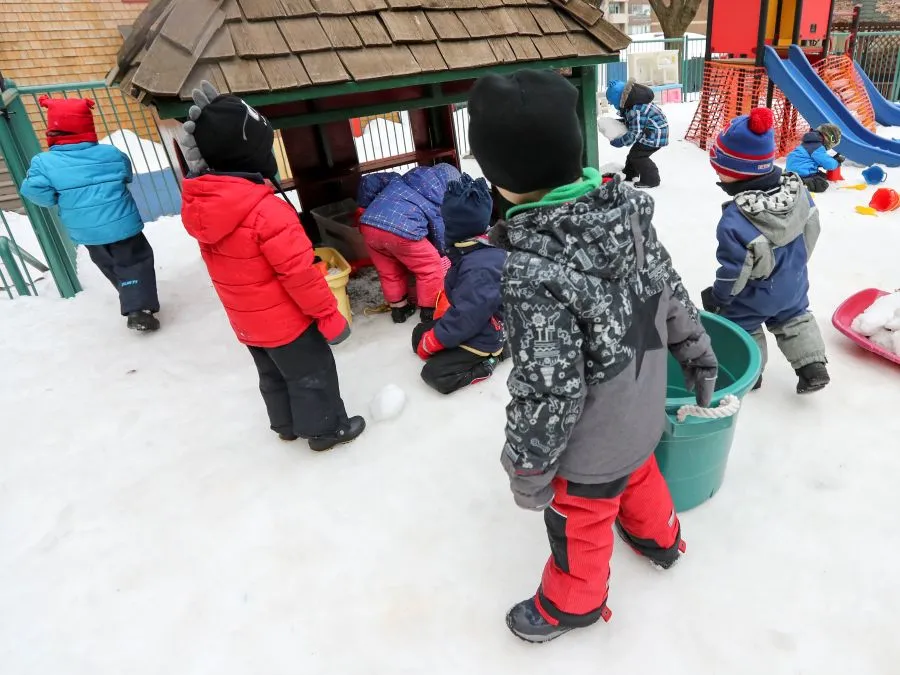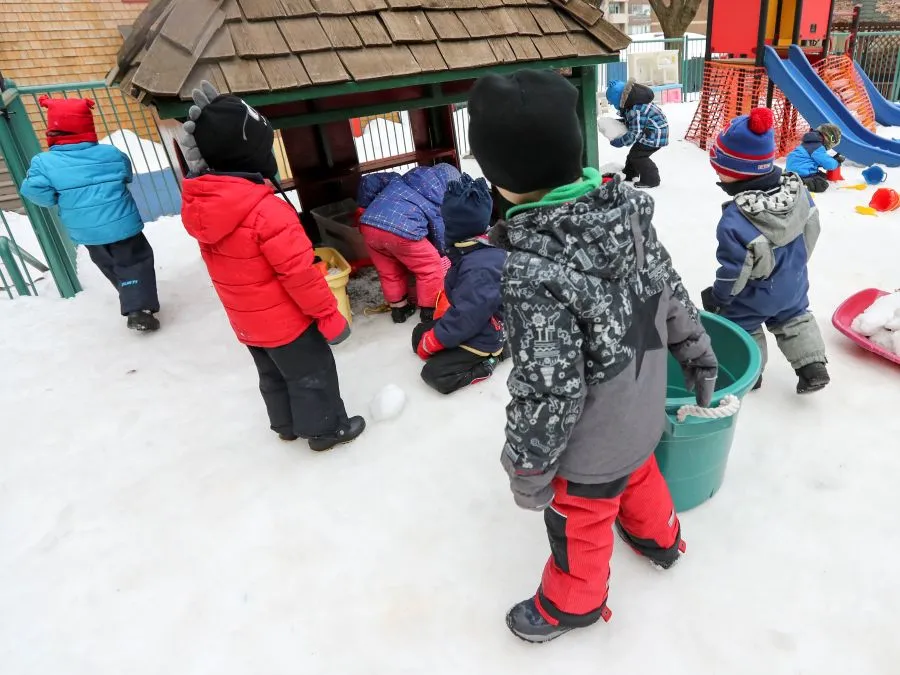
Skip to Content Subscribe Our Offers My Account Manage My Subscriptions FAQ Newsletters Canada Canadian True Crime Canadian Politics Health World Israel & Middle East Financial Post NP Comment Longreads Puzzmo Diversions Comics NP News Quiz New York Times Crossword Horoscopes Life Eating & Drinking Style Sponsored Play for Ontario Travel Travel Canada Travel USA Travel International Cruises Travel Essentials Culture Books Celebrity Movies Music Theatre Television Business Essentials Advice Lives Told Tails Told Shopping Buy Canadian Home Living Outdoor Living Kitchen & Dining Tech Style & Beauty Personal Care Entertainment & Hobbies Gift Guide Travel Guide Amazon Prime Day Deals Savings National Post Store More Sports Hockey Baseball Basketball Football Soccer Golf Tennis Driving Vehicle Research Reviews News Gear Guide Obituaries Place an Obituary Place an In Memoriam Classifieds Place an Ad Celebrations Working Business Ads Archives Healthing Epaper Manage Print Subscription Profile Settings My Subscriptions Saved Articles My Offers Newsletters Customer Service FAQ Newsletters Canada World Financial Post NP Comment Longreads Puzzmo Diversions Life Shopping Epaper Manage Print Subscription HomeNP CommentÉtienne A. Beauregard: The federal government has reproduced Quebec's day-care mistakesQuebec’s much-touted public child care system harbours fundamental flaws which should not be emulatedLast updated 14 minutes ago You can save this article by registering for free here. Or sign-in if you have an account.MONTRÉAL (Québec) – 21 février 2017 – Des enfants jouent dans la neige dans une garderie du centre-ville de Montréal, le mardi 21 février 2017. (John Mahoney / MONTREAL GAZETTE)Lisez la version française ici. Enjoy the latest local, national and international news.Exclusive articles by Conrad Black, Barbara Kay and others. Plus, special edition NP Platformed and First Reading newsletters and virtual events.Unlimited online access to National Post.National Post ePaper, an electronic replica of the print edition to view on any device, share and comment on.Daily puzzles including the New York Times Crossword.Support local journalism.Enjoy the latest local, national and international news.Exclusive articles by Conrad Black, Barbara Kay and others. Plus, special edition NP Platformed and First Reading newsletters and virtual events.Unlimited online access to National Post.National Post ePaper, an electronic replica of the print edition to view on any device, share and comment on.Daily puzzles including the New York Times Crossword.Support local journalism.Create an account or sign in to continue with your reading experience.Access articles from across Canada with one account.Share your thoughts and join the conversation in the comments.Enjoy additional articles per month.Get email updates from your favourite authors.Create an account or sign in to continue with your reading experience.Access articles from across Canada with one accountShare your thoughts and join the conversation in the commentsEnjoy additional articles per monthGet email updates from your favourite authorsSign In or Create an AccountorIn 1997, Quebec began building its network of centres de la petite enfance, or CPE daycares. The province promised affordable educational child care on broadly accessible terms. This model, unique across North America, drew praise for increasing mothers’ participation in the labour force and improving some outcomes among children from disadvantaged families. In recent years, the federal government’s Canada-Wide Early Learning and Child Care (CWELCC) and New York mayor Zohran Mamdani both openly cited Quebec’s model as a source of inspiration.However, its reputation has often obscured persistent shortages and inequitable support of parental choices. By directing funding to child-care centres instead of parents, Quebec’s system is neither universal nor equitable — two of its core conceits.The National Post newsletter that doesn’t hold back, giving readers the unvarnished truth on media, politics and culture.By signing up, you consent to receive the above newsletter from Postmedia Network Inc.A welcome email is on its way. If you don't see it, please check your junk folder.The next issue of Right? will soon be in your inbox.We encountered an issue signing you up. Please try againAlthough the Quebec government wrote into law that every child had the “right” to quality child-care services, in nearly three decades the supply of subsidized child-care spots has never matched the demand. By heavily reducing costs through government funding, the policy creates an ever-growing demand: even though new spots are created almost every year, supply has failed to catch up. At the moment, over 30,600 children are still on a government waiting list.Without major change, it seems very unlikely that supply will catch up to the demand. The government requires two educators out of three to be certified, and yet the number of certified early childhood educators who graduate in Quebec has steeply declined over the last few years. The system is increasingly failing to meet its own self-imposed quality requirements, and exposing precisely why it cannot be made universal. This permanent shortage means some families will always be left behind.Workforce issues aren’t the only challenge. The landscape of child care in Quebec reveals a three-tiered system with fundamental inequities. About half of children aged 1-4 attend a CPE or subsidized child care centre, publicly funded at a rate of between $60 and $70 per space per day. Around 30 per cent attend a licensed home-based centre or an unsubsidized centre covered by a tax credit, boasting public support of about $35 per space per day. The remaining children are cared for by parents, relatives or other informal caregivers. Their families receive no comparable child-care subsidy.Because the subsidy parents receive for child care depends on the option they choose, securing a subsidized spot feels like winning the lottery: it represents over $8,000 more in government support versus what a parent using an unsubsidized centre gets. As for families who prefer to take care of their children themselves, they receive about $18,000 less per child every year in transfers than a family which has a spot in a CPE — despite the fact they aren’t burdening the system.Regardless of which type of space you desire or end up securing, there’s a greater flaw built into the system. Quebec’s “centre-first” child care policy ignores what parents of young children want the most: time with their children. A poll conducted by the Quebec government concluded that 40 per cent of parents would like to work fewer hours in order to spend more time with their families. When polled on work-life balance, parents also reply that what they desire the most is more vacation time and a more flexible schedule.A policy whose sole focus is subsidizing time spent in a child care centre disincentivizes family time. It’s no surprise, then, that 85 per cent of preschool-aged children in child care attend for more than 35 hours per week, yet spending so many hours in child care at such a young age can harm the development of social skills and emotional maturity. This is the result of the lack of flexibility and options for parents inherent in the system.Ever since the federal government created its child-care plan based on the Quebec model, the same issues have appeared across the country. Upfront costs for child care have decreased while waitlists have gone up, and the drive to increase supply has reduced the proportion of certified early childhood educators, possibly harming quality. All Canadian provinces now have a system that funds only the choices of a select few based on an overly narrow definition of child care.It doesn’t have to be this way. It is possible to offer an alternative for parents who cannot access or do not desire a publicly funded child-care spot. Finland offers one possible approach. Alongside publicly funded child-care services, its Child Home Care Allowance supports eligible parents who care for a young child at home. The policy recognizes that families differ in their circumstances and preferences.As Quebec, and now Canada’s, examples prove, channeling funding exclusively to centres creates a demand that is never met and leads to inequalities among families. Child-care policy must do better to leave no child behind.National PostÉtienne-Alexandre Beauregard is an author and researcher at Cardus. Between 2022 and 2025, he was a speechwriter and strategic planning advisor in the office of the Premier of Québec. The English version of his book Anti-Civilization will be released in the fall and is now available for pre-order through Sutherland House. Join the Conversation This website uses cookies to personalize your content (including ads), and allows us to analyze our traffic. Read more about cookies here. By continuing to use our site, you agree to our Terms of Use and Privacy Policy.
Étienne A. Beauregard: The federal government has reproduced Quebec's day-care mistakes
Quebec’s much-touted public child care system harbours fundamental flaws which should not be emulated
1,387 words~6 min read