August 11th, 2026
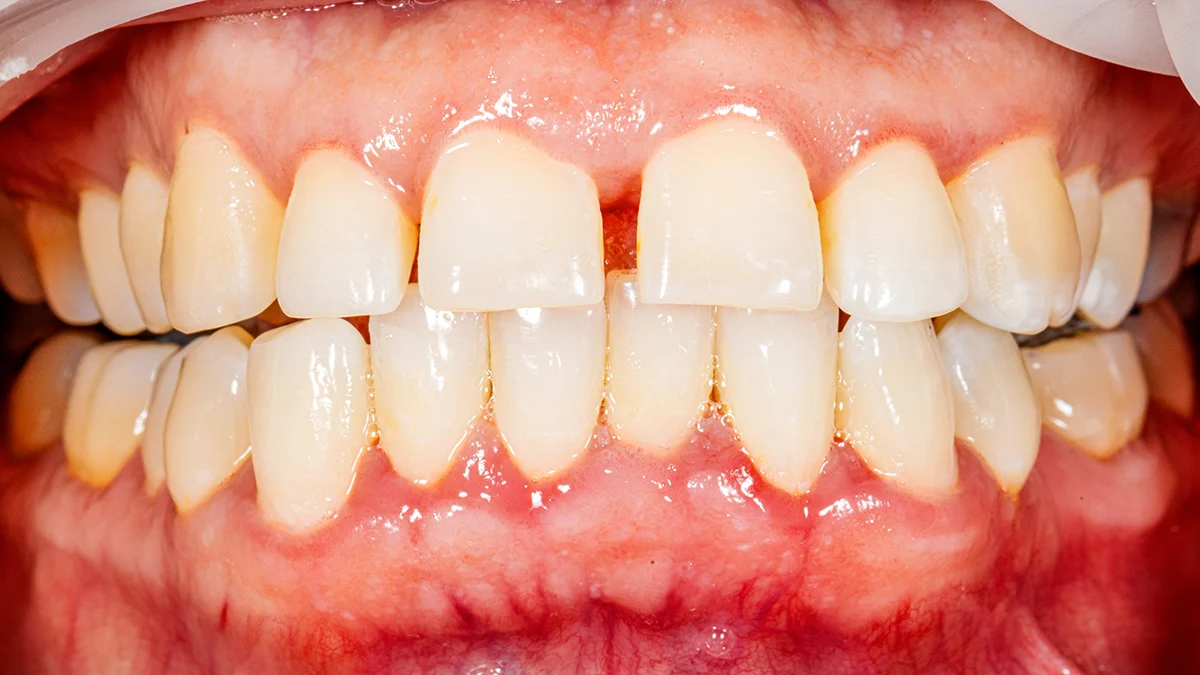
The bacterial species P. gingivalis is a cause of periodontitis, a common form of inflammatory gum disease that in addition to damaging gums, teeth, and bone in the mouth, also contributes to the development of inflammatory age-related conditions elsewhere in the body. Here researchers report on a novel approach to selectively removing P. gingivalis from the mouse, using a combination of a photosensitive dye conjugated to an antibody that binds to surface features on this species of bacteria. When irradiated with near infrared light, this kills the targeted cells. Treating a mouse model of periodontitis in this way successfully reduced inflammation and resolved the condition.
Traditionally, periodontitis was viewed as a simple infection; however, it is now recognized as a complex polymicrobial disease driven by synergistic interactions within the oral microbiota and a subsequent aberrant host immune response. Periodontitis is typically initiated by a shift from symbiotic to dysbiotic microbial communities. In this process, 'keystone pathogens' such as Porphyromonas gingivalis, even at low abundance, can remodel the surrounding commensal bacteria into a highly inflammatory state.