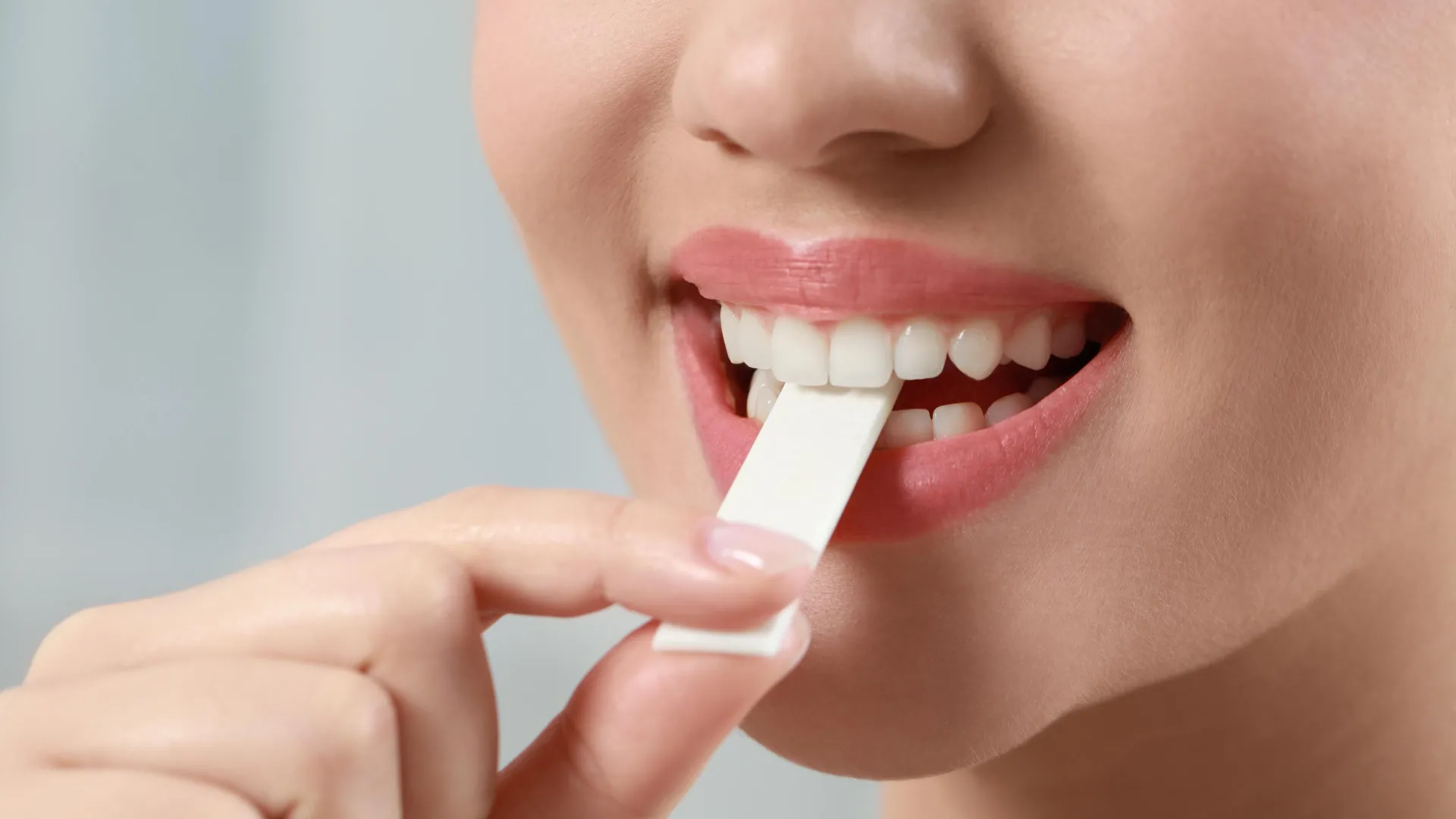
There's a heap of compelling evidence that keeping your pearly whites squeaky clean benefits the rest of your body, as well as your mouth.But sweet, sugary gummies are probably not what comes to mind if you're thinking about ways to better your oral health; quite the opposite, in fact. However, a new formulation loaded with bacteria has just been tested in a Japanese study and might offer an innovative way to maintain good gum health. Researchers led by a team from the Institute of Science Tokyo in Japan wanted to see if there was a way to ward off damaging gum disease (or periodontitis) beyond the basics of daily brushing and flossing.They discovered that snacking on gummy chews loaded with beneficial bacteria could reduce gum bleeding and improve health markers in people with mild gingivitis (where the gums bleed and swell, often leading to periodontitis).Heat-killed bacteria were fed to some participants, while others got a placebo. (Institute of Science Tokyo)The findings are reported in The Journal of Periodontology and are based on results from 116 participants over six weeks – roughly half of whom ate bacteria-boosted gummies twice daily, while the other half unknowingly ate placebos."By evaluating the gummies under normal daily living conditions, we were able to better understand their practical potential for supporting gum health," says periodontologist Takanori Iwata, from the Institute of Science Tokyo.Over time, it's become increasingly apparent that conditions like gum disease can be brought on and exacerbated by a bad mix of microbes in the mouth.There have been several studies looking at how flooding the mouth with beneficial bacteria – that boost the immune system and crowd out the bad bacteria – might help improve oral health, but there's still a lack of consensus over the best approach."Rather than solely focusing on bacterial eradication, management efforts of periodontal disease have shifted toward restoring and maintaining a symbiotic microbiota, known as eubiosis," write the researchers in their published paper.
Gummies Packed With Beneficial Bacteria Can Reduce Gum Bleeding in Just 6 Weeks, Trial Finds
There's a heap of compelling evidence that keeping your pearly whites squeaky clean benefits the rest of your body, as well as your mouth.
760 words~3 min read