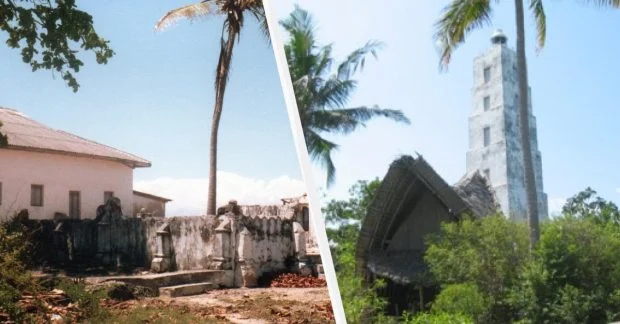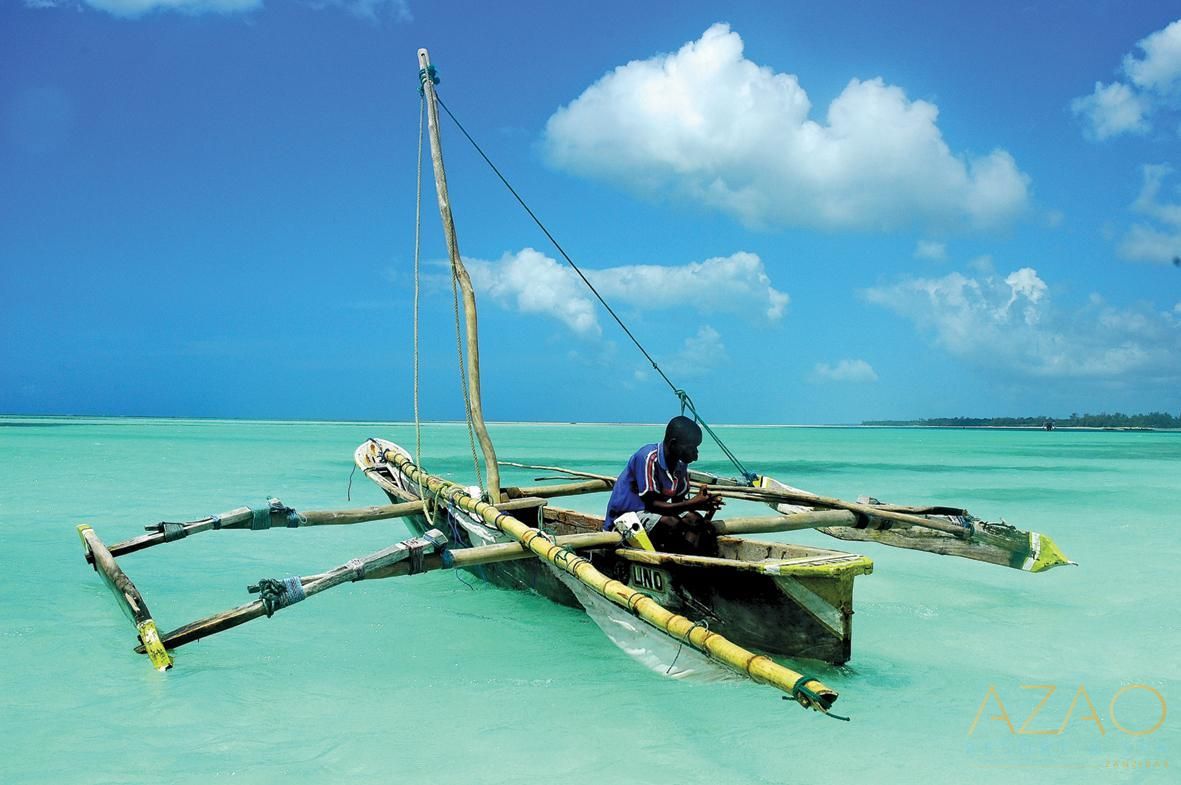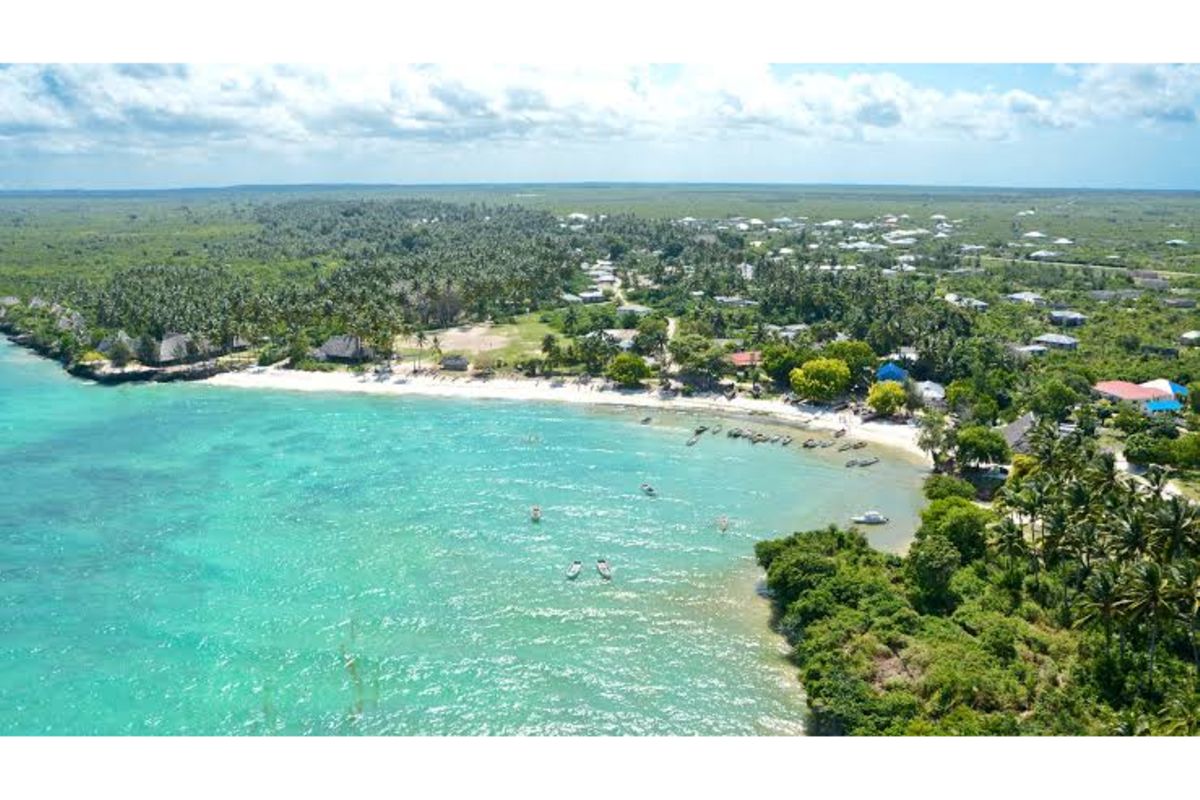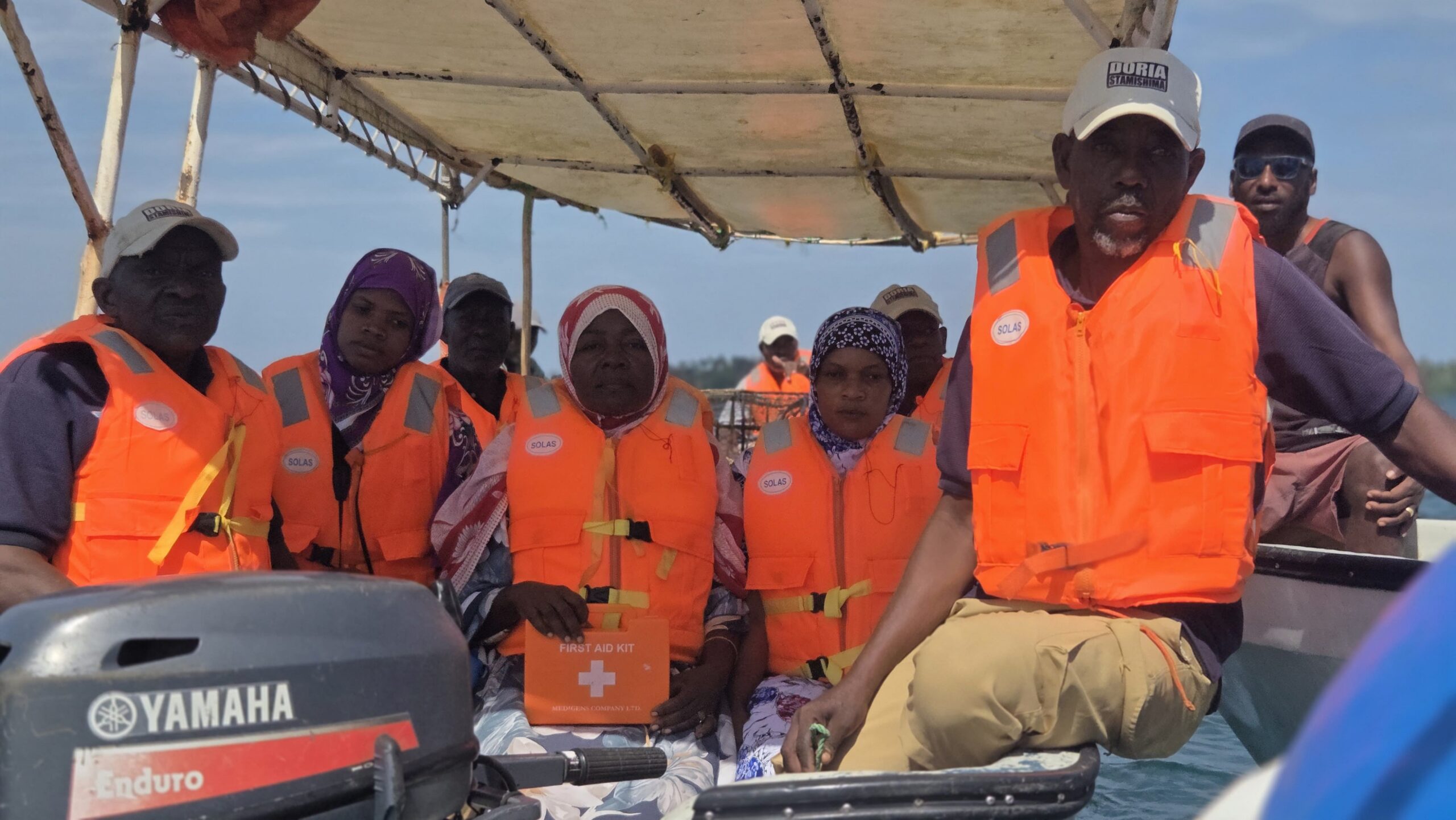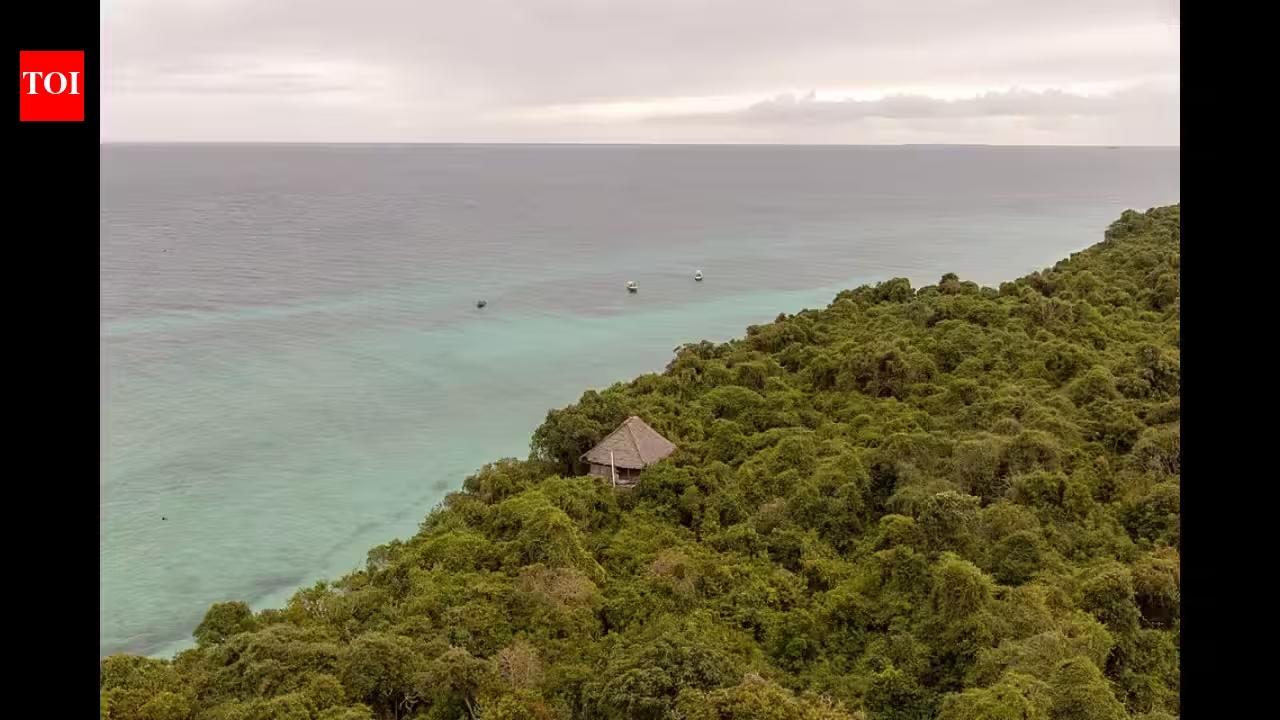
An uninhabited tropical island and its surrounding coral reef reflect the conservation project that has protected the area for decades. Image Credits: Wikimedia Commons.In April 1991, Sibylle Riedmiller was sailing around Zanzibar when she came across an uninhabited island surrounded by a shallow coral reef. What she saw was unusual for the region: a largely intact marine ecosystem at a time when destructive fishing, including dynamite fishing, was damaging reefs along the Tanzanian coast. Rather than seeing Chumbe Island as an untouched paradise, the German development worker saw an opportunity to protect it. She put her own money into the idea of creating a conservation project that could eventually support itself through carefully managed tourism.According to Marine Policy, Chumbe Island Coral Park Ltd. negotiated with the Zanzibar government between 1991 and 1994 to have the island’s western coral reef and forest cover gazetted as a protected area. On 24 December 1994, the reef sanctuary was formally designated as a no-take area, prohibiting fishing and other extractive activities, with management entrusted to CHICOP.From an uninhabited island to a protected reefRiedmiller had arrived in Tanzania in the early 1980s as an aid worker involved in education projects. By the time she reached Zanzibar, she had developed a strong interest in the region's marine environment. She was particularly concerned by the destruction caused by fishing practices and by the limited public understanding of coral reefs.According to the IUCN, Sibylle Riedmiller found Chumbe Island on April 21. The uninhabited island contained a fringing coral reef, seagrass beds, a mangrove cave and coral-rag forest, along with a historic lighthouse and abandoned buildings. Restrictions on access and fishing, linked partly to the island's former military use, had helped keep its terrestrial and marine ecosystems relatively undisturbed, making Chumbe a suitable site for protection. Riedmiller's idea was not simply to put a fence around the island. She proposed a model in which tourism would generate income for conservation and environmental education. This meant creating an organisation capable of managing the protected area while also developing a small, low-impact tourism operation.A no-take reef backed by tourismThe protected area gave the reef stronger protection than neighbouring waters. The sanctuary covers roughly 30 hectares of reef and associated marine habitats, while the island itself contains a protected forest reserve.Marine Policy also notes that Chumbe is Tanzania's first managed marine park and one of the earliest examples of a privately established and managed marine protected area. The study noted that the sanctuary was legally designated as a no-take area, meaning fishing and other extractive uses were prohibited. But protection required people to enforce the rules. One of the project's important decisions was to recruit and train local fishers as park rangers. They knew the surrounding waters, understood local fishing practices and could communicate with other fishing communities. The approach also gave former fishers alternative employment and placed local people at the centre of reef protection.The project eventually added an education centre and a small ecolodge. The buildings were designed around environmental principles, including solar power, rainwater harvesting, composting toilets and systems for filtering wastewater. Ecotourism began in 1998, with visitor revenue supporting conservation management and educational programmes rather than private profit.Chumbe Island, surrounded by the turquoise waters and coral reefs of the western Indian Ocean. Image Credits: Wikimedia Commons.Protecting the reef by teaching people about itConservation at Chumbe was never limited to protecting the reef. Environmental education became an important part of the project, with local schoolchildren visiting the island to learn about coral reefs, seagrass, forests and marine life. Teachers were also involved so that lessons about the marine environment could extend beyond the island.According to a study published in the Journal of Ecotourism, Chumbe Island Coral Park combines ecotourism with marine conservation and environmental education, while using a low-impact approach to minimise pressure on the island's natural environment. The model was designed to generate income from tourism while supporting the management of the protected area.The reef remains at the centre of the project, but Chumbe's protected environment extends beyond coral. The island also contains seagrass beds, intertidal habitats and coral-rag forest, creating a wider ecosystem that is managed alongside the marine sanctuary. Riedmiller’s investment grew into a conservation model built around three activities: protecting the island and surrounding waters, educating local communities and visitors, and using carefully managed tourism to help fund the work.
In 1991, German development worker Sibylle Riedmiller invested her savings in an uninhabited island; three years later, its reef became a protected sanctuary.
In April 1991, Sibylle Riedmiller was sailing around Zanzibar when she came across an uninhabited island surrounded by a shallow coral reef. What she saw was unusual for the region: a largely intact marine ecosystem at a time when destructive fishing, including dynamite fishing, was damaging reefs along the Tanzanian coast.
725 words~3 min read