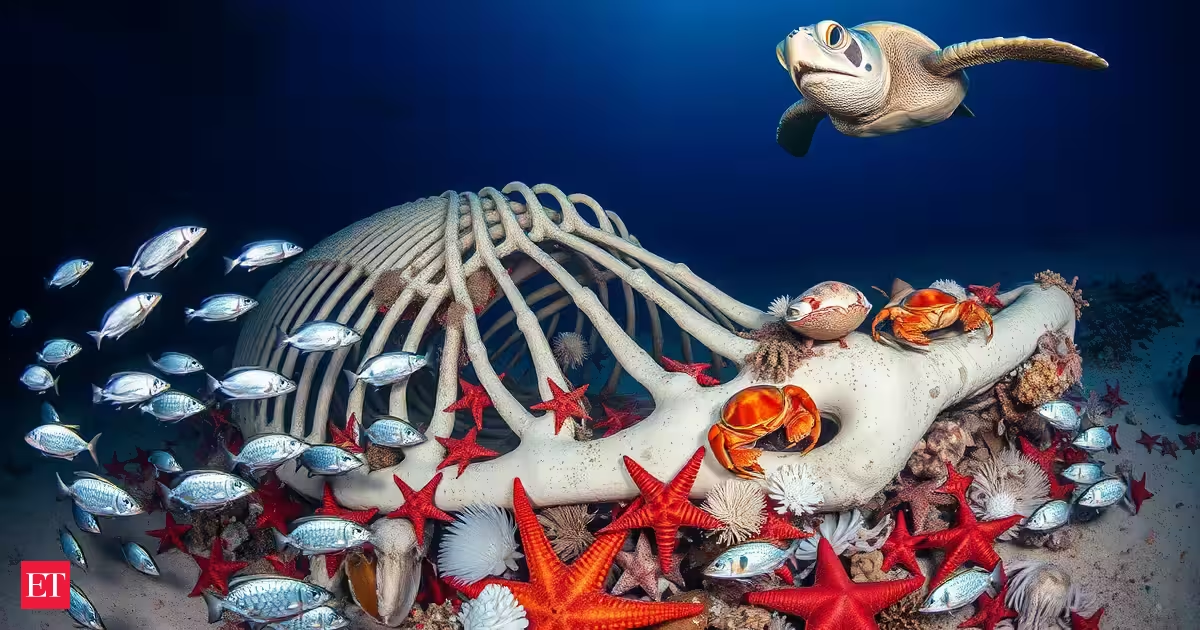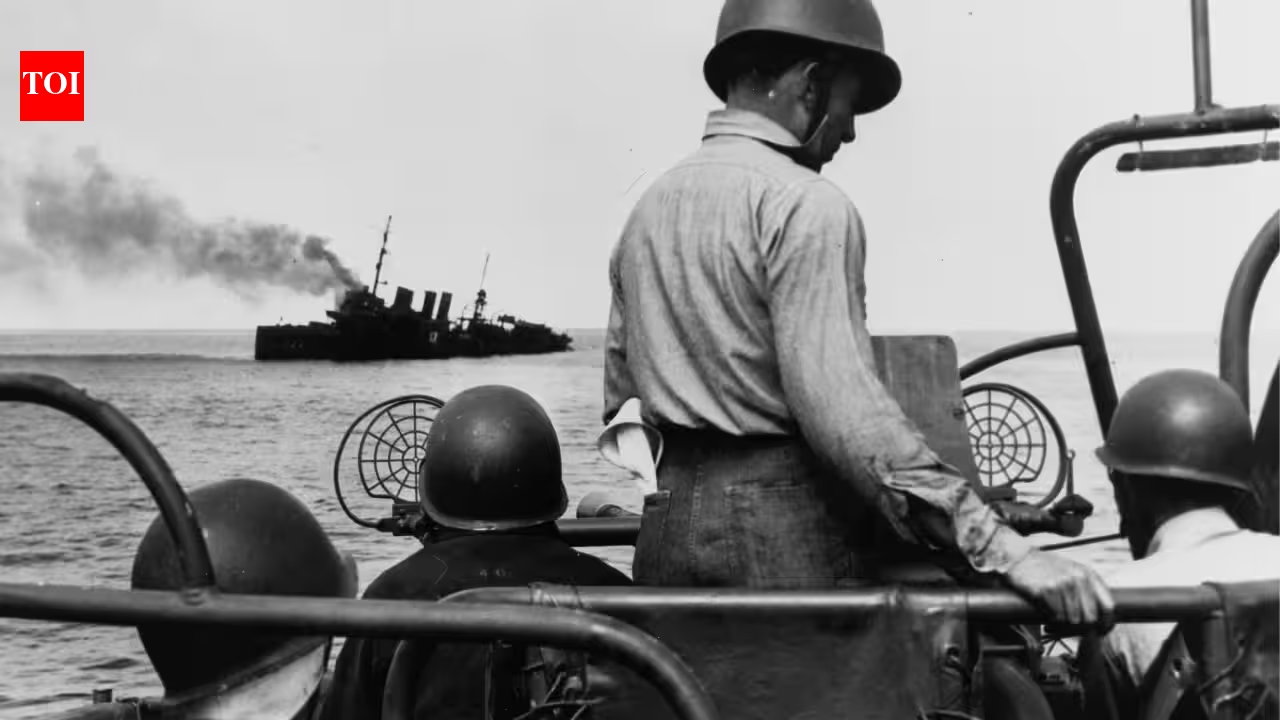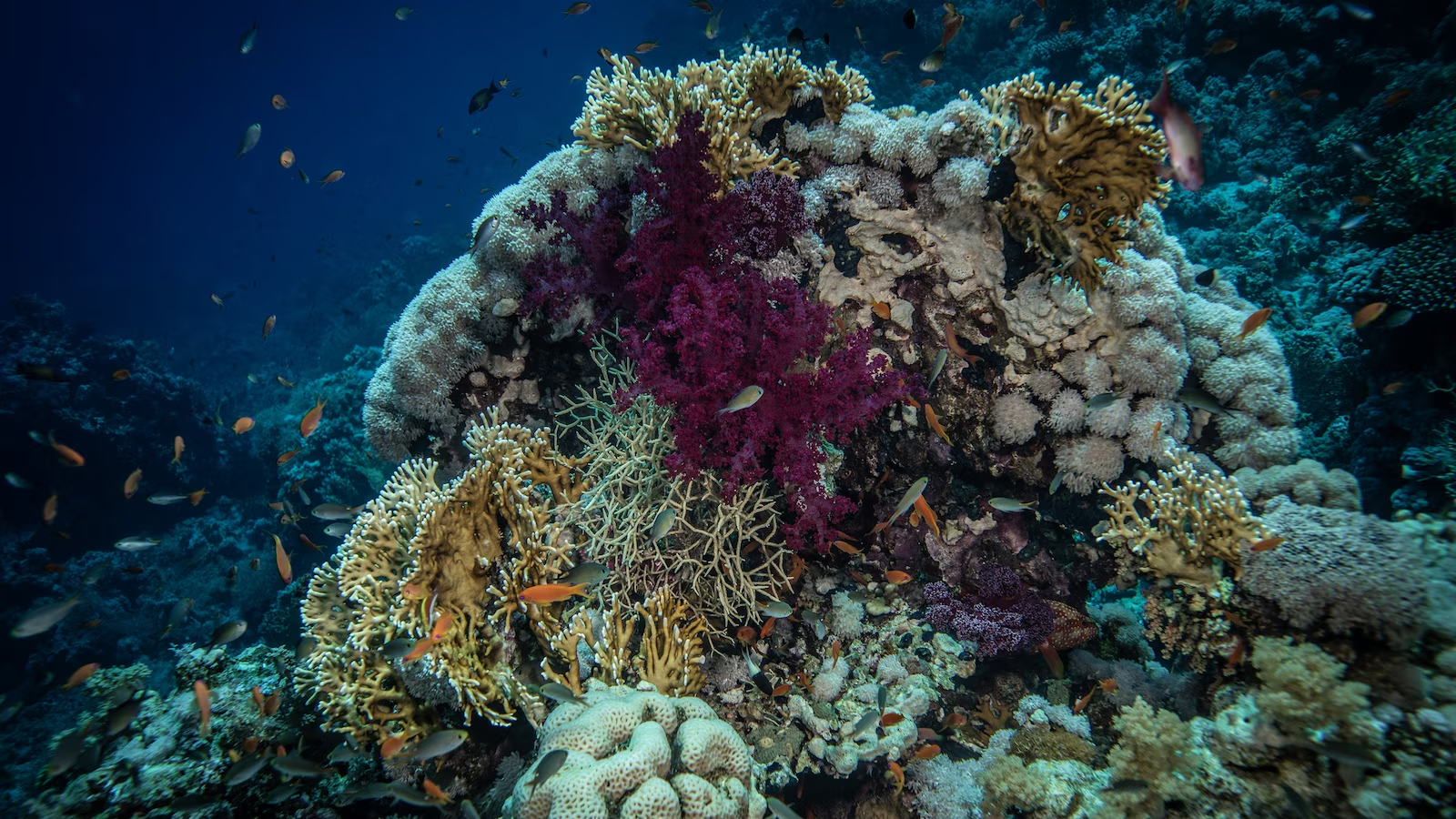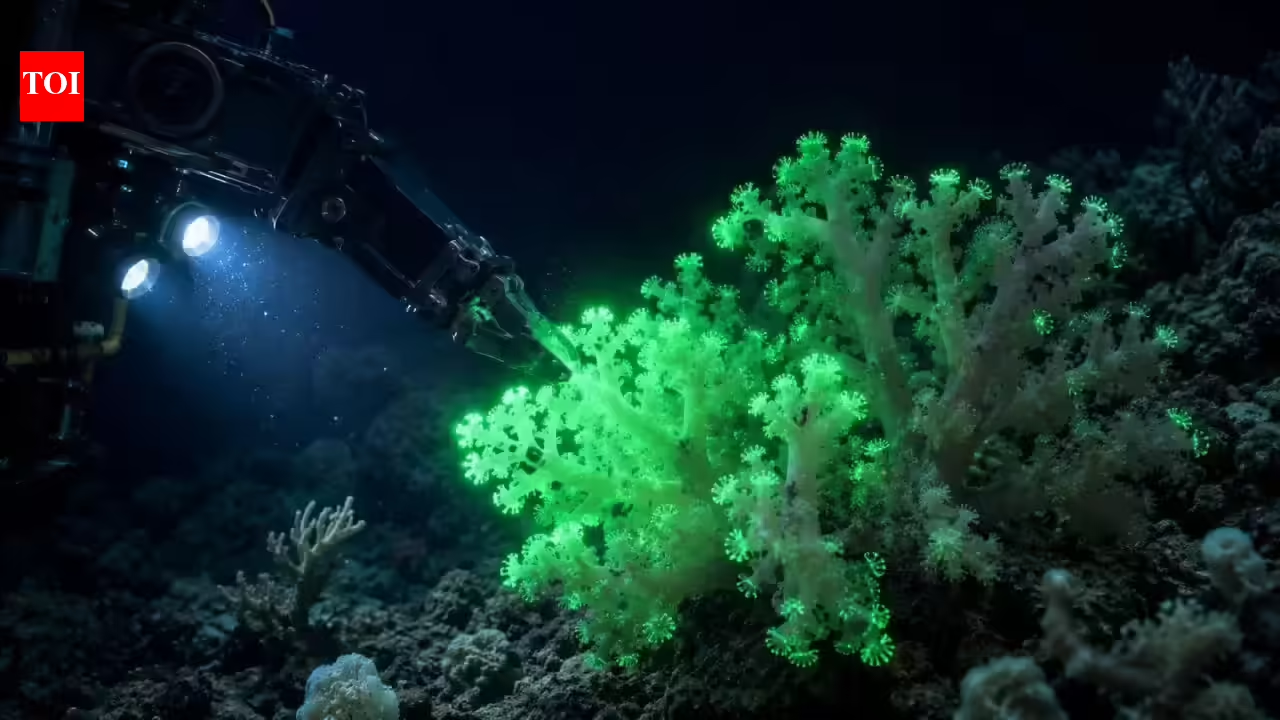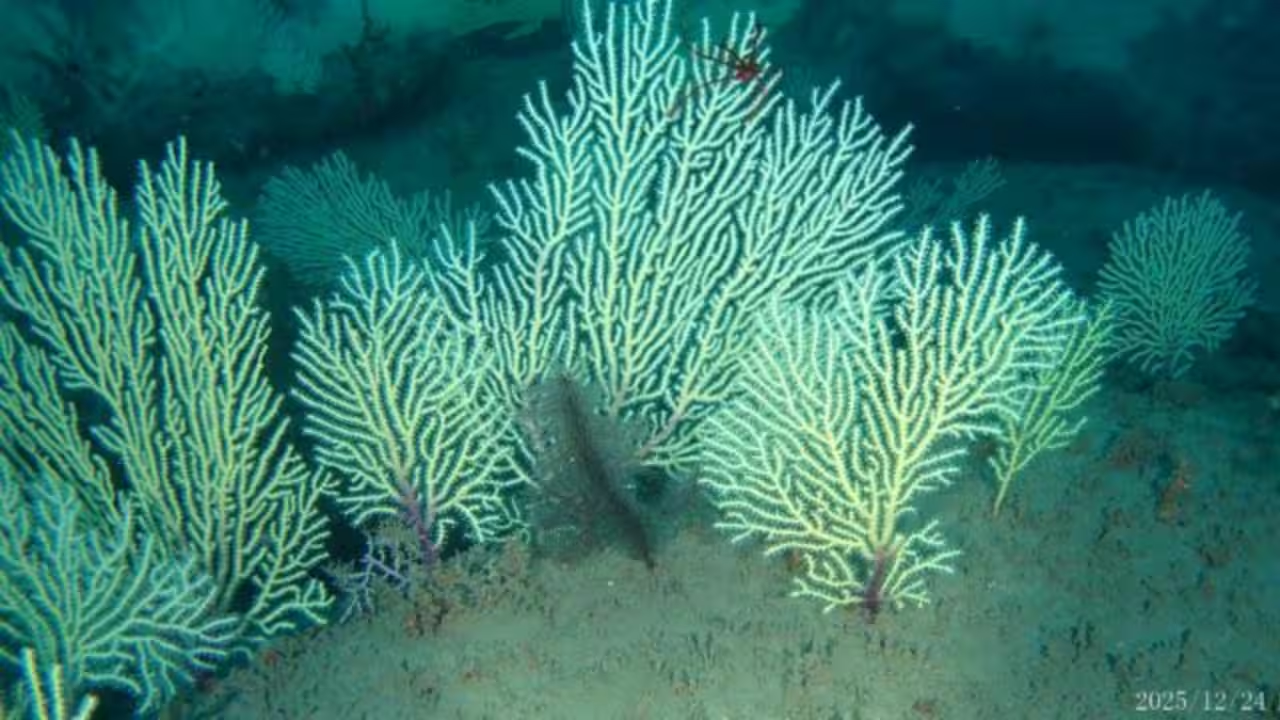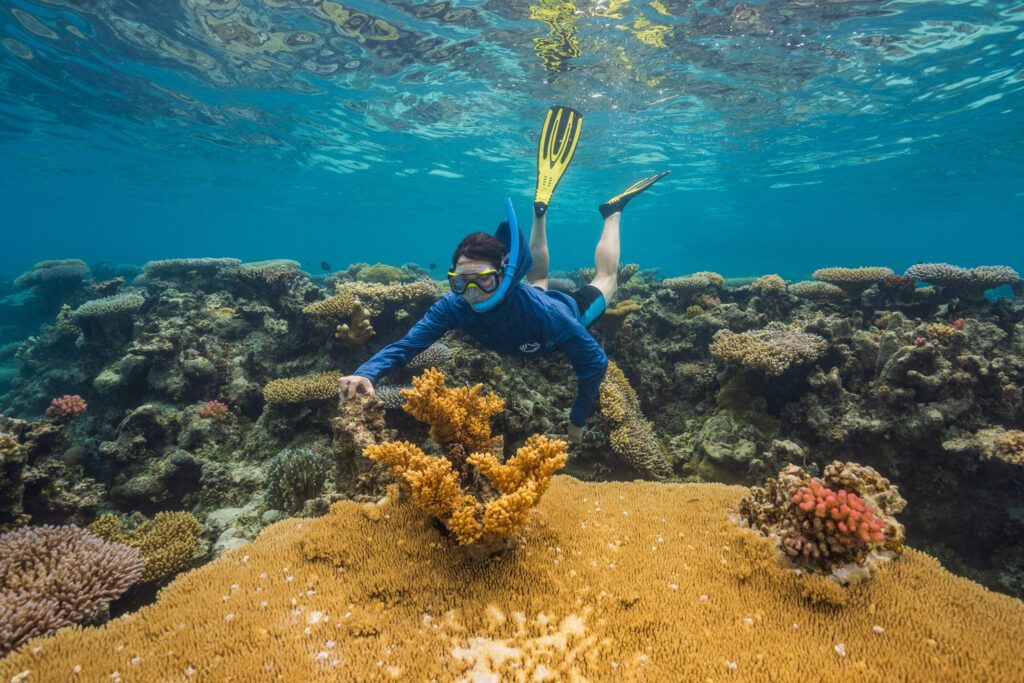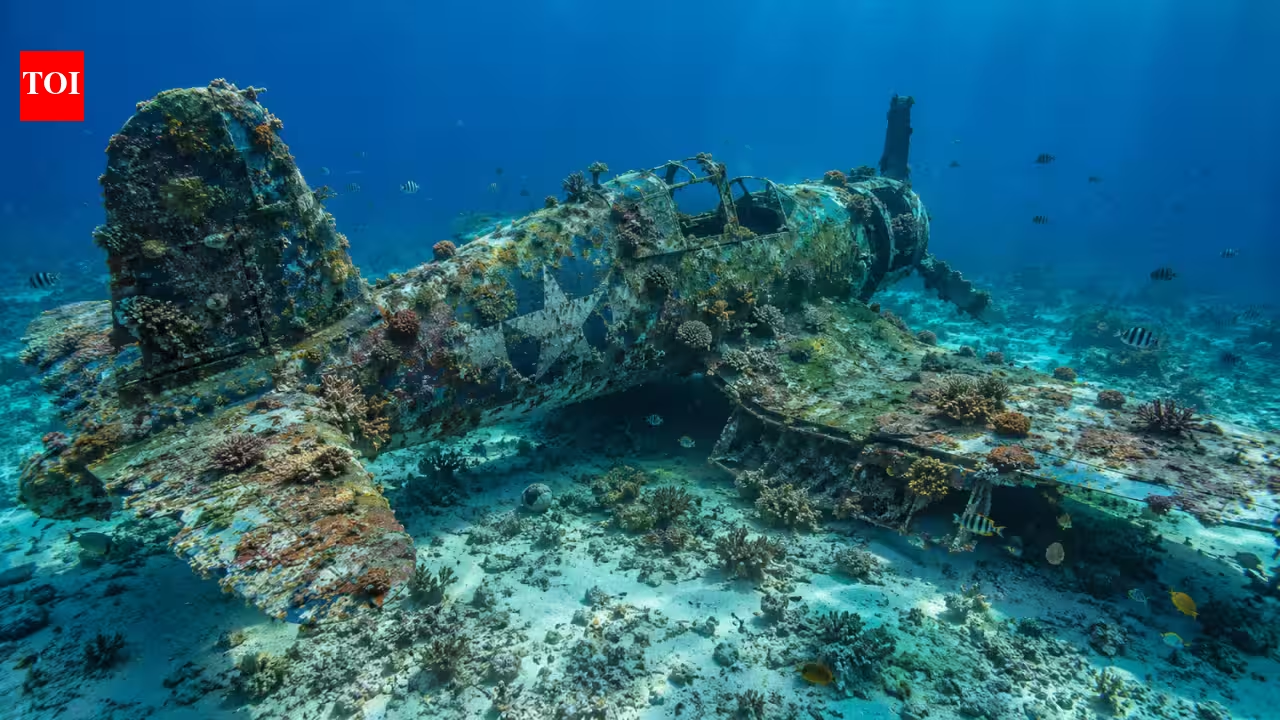
Time capsule and coral garden (representative). Image Credits: ChatGPTEarlier this year, Kirstin Meyer-Kaiser, a marine biologist, along with her team from the Woods Hole Oceanographic Institution, went diving on something unusual: World War Two wrecks scattered across the Pacific seafloor. The research sites included Palau and the Solomon Islands, where decades-old wrecks have become home to coral communities. One such interesting wreck is that of a fighter plane belonging to the US, which was lost more than 80 years ago in the Solomon Islands.A wartime emergency landing in the PacificThe aircraft is a Vought F4U Corsair, the legendary gull-winged fighter plane that became famous during the Pacific War. It was lost near Vona Vona Lagoon, close to the village of Munda, during the Battle for New Georgia in 1943. Divers locally call it the 'Koviki' Corsair, although old maps suggest it is actually slightly closer to another spot along the coast, a misunderstanding that has persisted for almost twenty years.The exact identity of its pilot is unknown. Wartime unit records refer to a young Marine flyer who made a forced water landing off nearby Wana Wana Island, but without a serial number on the wreck, that identification remains an educated guess.Found by a sea cucumber diver, decades laterThe wreck remained hidden until a local sea cucumber diver spotted it on the sandy seabed in the late 1990s. An archaeological study followed in 2019, when a team from Sealark Exploration surveyed the wreck and recorded its condition in detail for the first time.Upright and in surprisingly good conditionThe Corsair sits 174 feet underwater, upright on a layer of white coral sand, with its nose pointed slightly downward. It’s unusually well preserved for its age. The wings, tail and fuselage are largely intact, but there are no instruments, cockpit canopy, or propeller blades left on the wreck. Researchers say the depth of the plane may have helped preserve it, as it is below most storm swells and gets less light, which slows coral growth over the metal.How a war plane becomes a coral gardenWrecks like this don’t remain bare metal for long. According to a 2024 BioScience study, ‘Shipwreck ecology: Understanding the function and processes from microbes to megafauna,’ shipwrecks and downed aeroplanes provide hard surfaces on the ocean floor that allow coral and sponge larvae to attach and thrive on artificial reefs. Over time, communities of invertebrates and fish develop around these structures and begin to resemble natural reef ecosystems.Similar patterns have been observed elsewhere in the Pacific Ocean. The study ‘Are Sunken Warships Biodiversity Havens for Corals?’ led by Arizona State University ecologist Greg Asner, found that large sunken structures can host corals similar to those on natural reefs. The researchers also noted that these wrecks are often located at depths that are less affected by marine heatwaves than shallow reefs.A window into coral scienceThe WHOI-supported fieldwork of Meyer-Kaiser describes wrecks like the Koviki Corsair as “island-like” habitats, isolated from natural reef systems by stretches of open sand. This enables scientists to study in real time how coral larvae colonise such an environment, building communities from the ground up. A2021 study published in the journal One Earth found that about half of the planet's coral reefs have disappeared since the 1950s due to warmer waters, overfishing and pollution, so such unintended reefs provide researchers with another data point for studying the adaptability of reef life.A memorial beneath the wavesThe Koviki Corsair is more than a science site. Legally, it remains the property of the US government, while the Solomon Islands' own Protection of Wrecks and War Relics Act 1980 separately makes it illegal to disturb the site, and historians regard it as a memorial to whoever flew it that day. The condition of the plane, with the canopy missing but otherwise largely intact, indicates the pilot stayed in control to make a careful, deliberate landing as opposed to a crash, and offers some hope he got out alive.Today the wreck is a working dive site, attracting visitors from Munda's fledgeling tourism trade. It’s a living laboratory for scientists. To the historian it remains an unsolved enigma. And for more than 80 years, it has been quietly doing something no one who built it ever intended. It has been growing a reef, one coral polyp at a time, 174 feet beneath the Pacific Ocean.
In 1943, a US Corsair ditched off the Solomon Islands; more than 80 years later, it sits upright 174 feet underwater as a living reef
Earlier this year, Kirstin Meyer-Kaiser, a marine biologist, along with her team from the Woods Hole Oceanographic Institution, went diving on something unusual: World War Two wrecks scattered across the Pacific seafloor. The research sites included Palau and the Solomon Islands, where decades-old wrecks have become home to coral communities.
723 words~3 min read