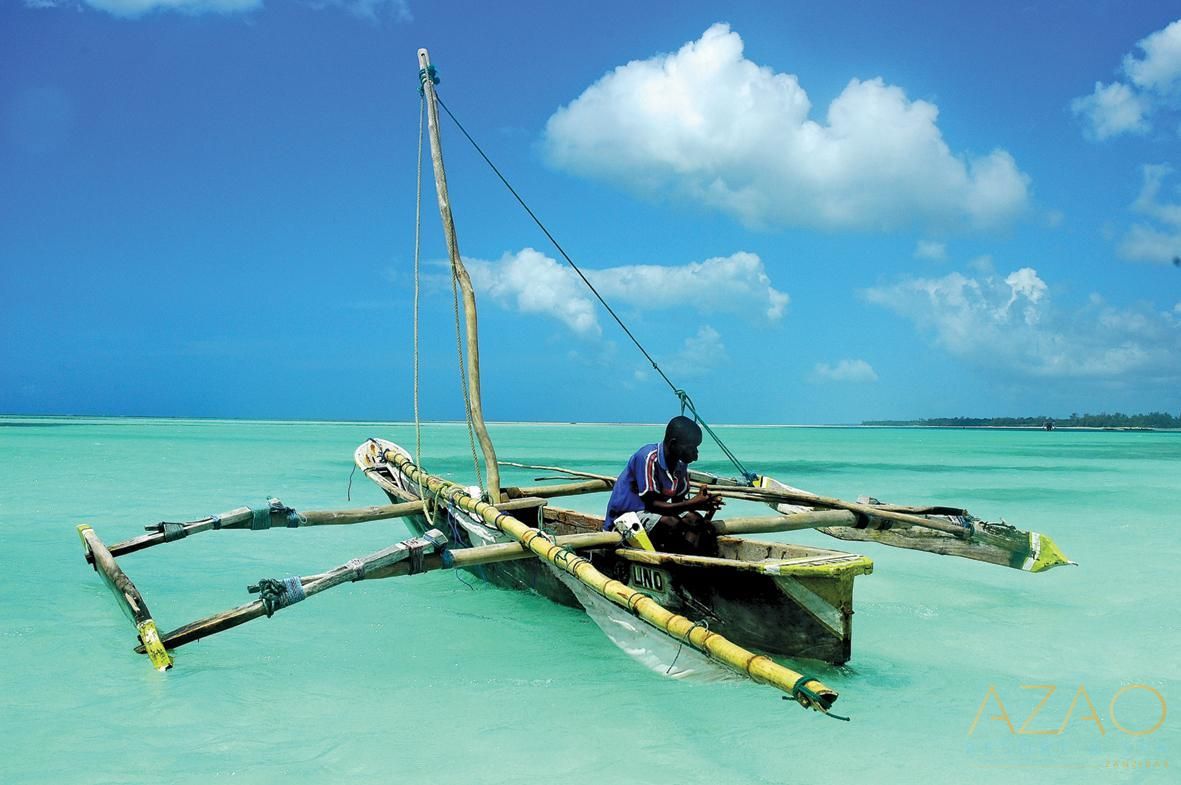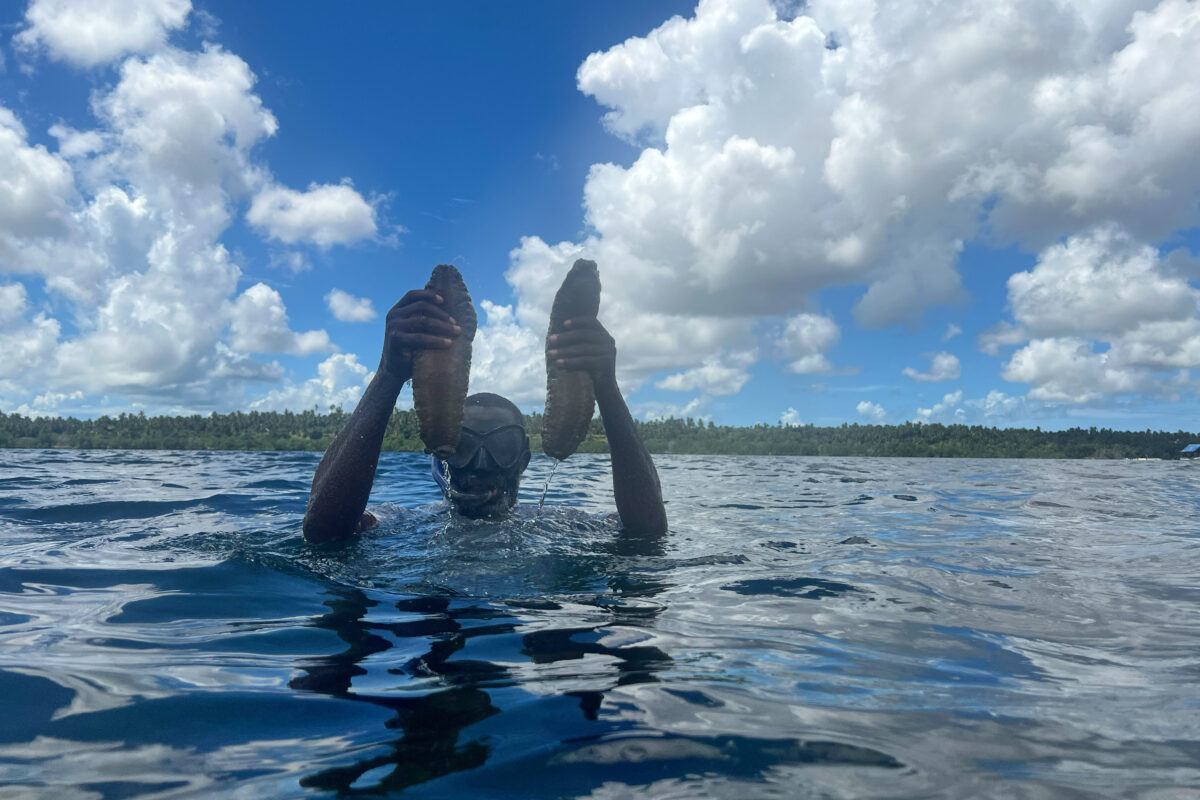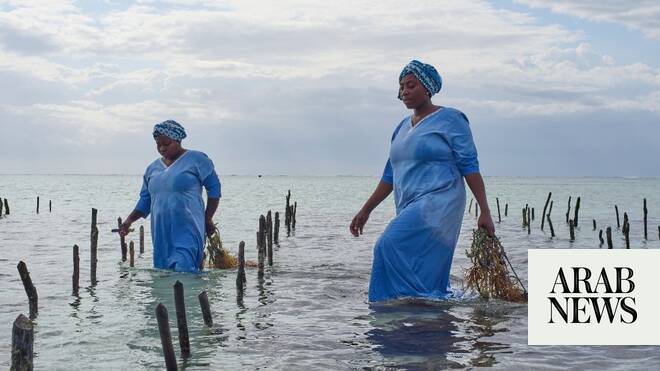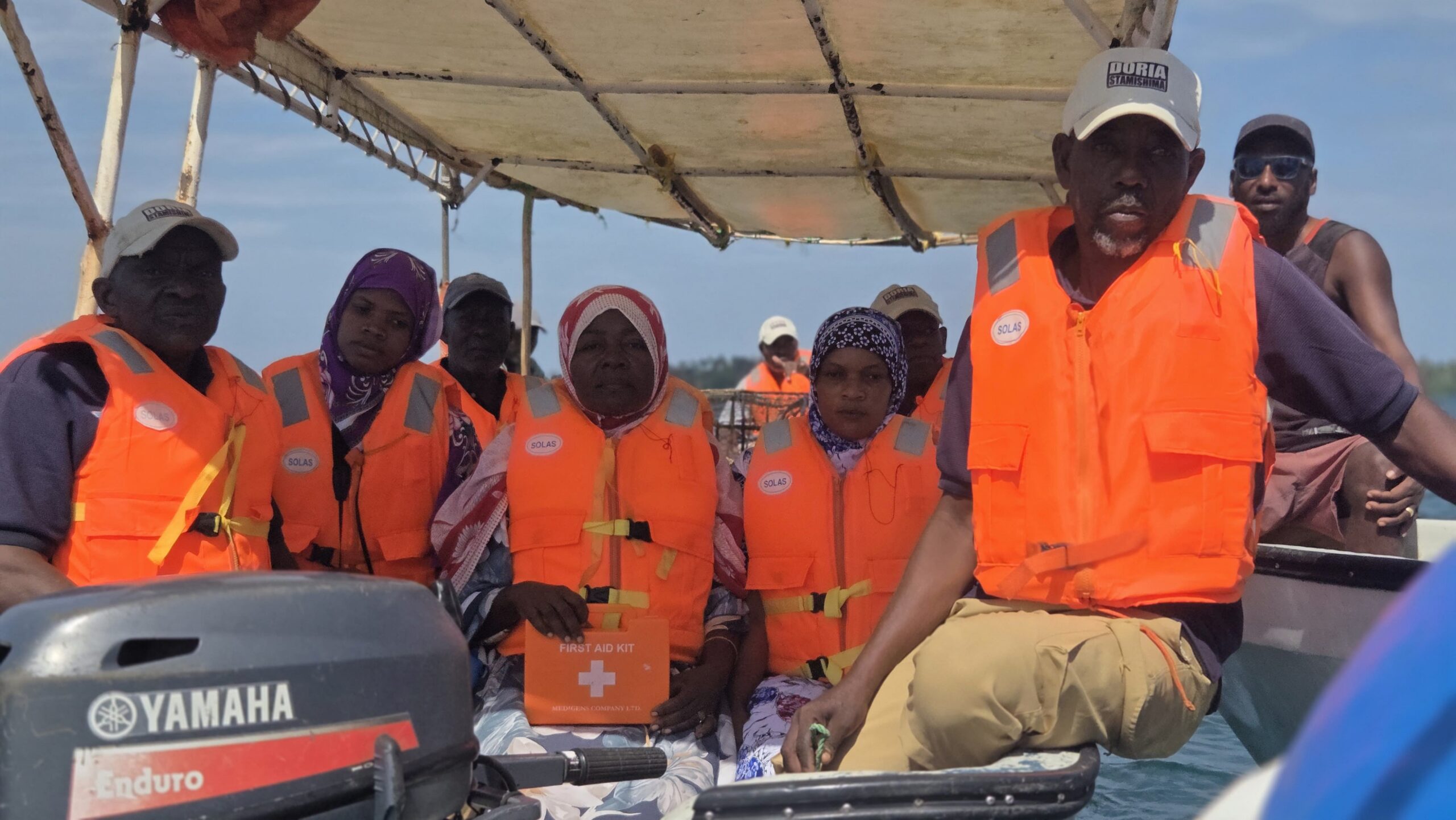
More than 1.8 million people live in Zanzibar, the semi-autonomous archipelago that united with Tanganyika in 1964 to form present-day Tanzania.Of Zanzibar’s population, roughly 550,000 people live on Pemba Island, one of its two main islands, where many households depend directly on the surrounding marine ecosystem for food, income, and livelihoods.Across the island, a community-led approach to marine resource management is taking root. Local communities are organized through Shehia Fisheries Committees and Collaborative Management Groups, which develop and implement rules governing the use of marine resources, including fisheries and locally managed conservation areas.Enforcing those rules, however, is not always straightforward. Community patrol teams often lack the legal authority needed to take action against offenders. In a largely Muslim society where marine patrols have traditionally been dominated by men, women are increasingly joining these teams to help monitor fishing activities and encourage compliance.
PEMBA, Tanzania — Patrolling the sea is not the kind of work many women on Tanzania’s Pemba Island are traditionally expected to do. Yet, for Amina Gharib Issa, it has become part of her life recently.