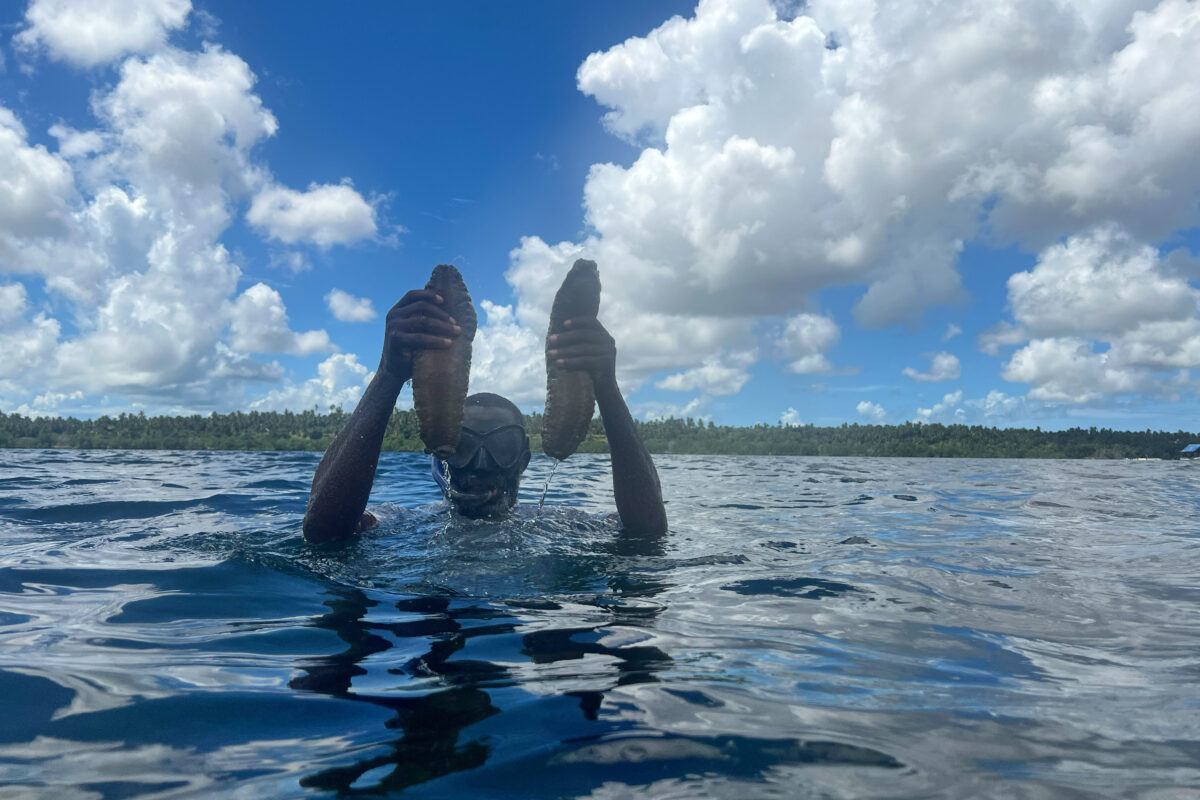
For decades, conservationists have argued that protecting nature cannot rely indefinitely on donor funding. To endure, conservation efforts must generate enough economic value to sustain themselves.That search for sustainable financing has prompted governments, investors and conservation organizations to experiment with models that seek to align commercial returns with environmental protection.On Tanzania’s Pemba Island, a company called Asili is betting that sea cucumber ranching can do both. The venture is building the infrastructure needed to cultivate and process sea cucumbers for sale while supporting the restoration and protection of marine ecosystems.Yet, significant questions remain. Can enough sea cucumbers be produced to make the business commercially viable? Can profits be shared equitably with local communities? And can a model built around conservation and commerce truly deliver on both promises?
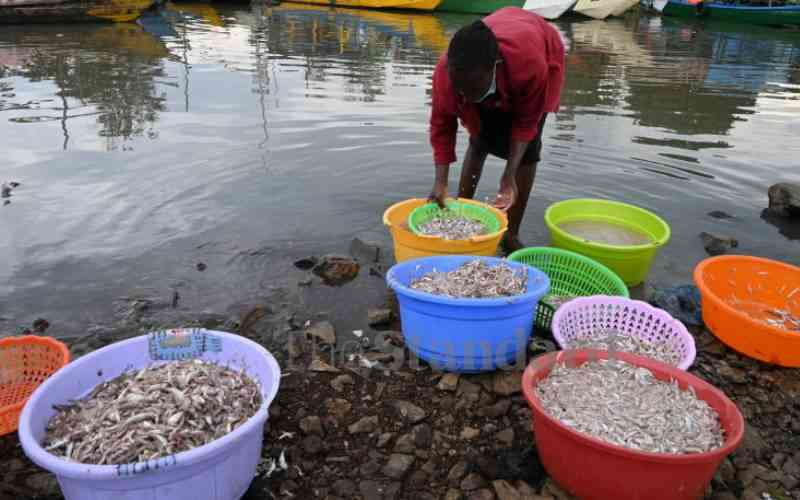
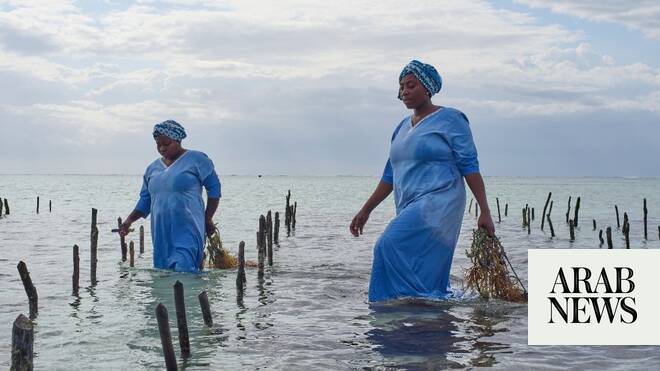
PEMBA, Tanzania — Like many coastal communities across East Africa, the residents of Shamiani have grown accustomed to watching the sea yield less and less. Warming waters, degraded marine habitats and decades of fishing pressure have all taken a toll on the resources that once sustained local livelihoods, according to community members.