What’s next? What happens after you die? It’s one question I’ve never asked when interviewing the scores of nearly-departed people I’ve profiled for advance obituaries in The New York Times.Article continues after advertisement
The answer is ineffable. But would the response, however hypothetical, help flesh out what Ann Wroe, the obituary editor of The Economist, calls the soul of her subjects—their core, their essence, which transcends the customary chronological details and other obligatory facts and figures that constitute most post-mortem profiles?
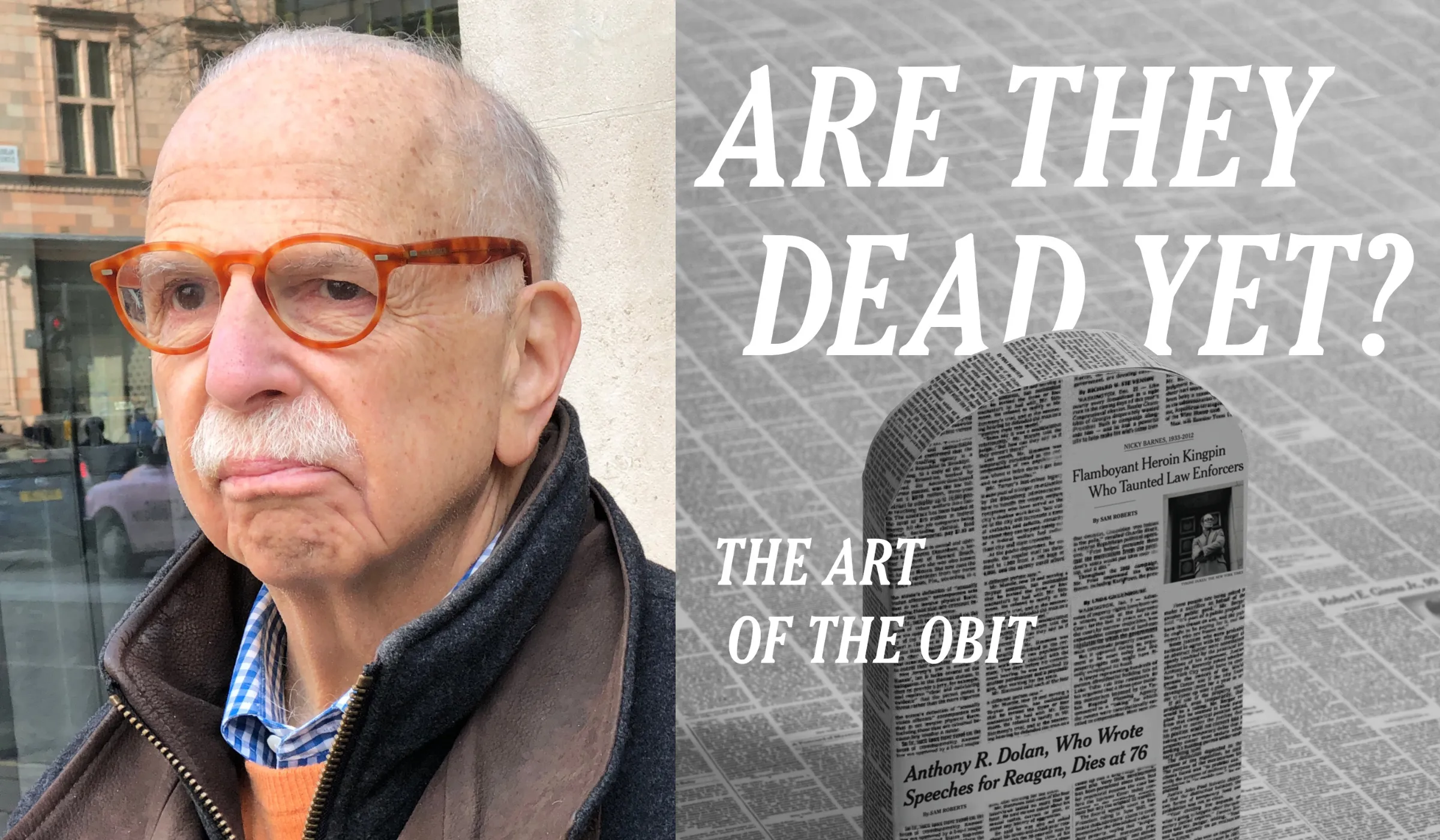
The question arose as I was researching my latest book, Are They Dead Yet?, an irreverent insight into the “Art of the Obit.” Working my day job, I wrote an article for the Times about the Brooklyn Museum’s exhibit of a rare, gilded version of the necromantic Egyptian prescription for an untroubled after-life known, anomalously, as the Book of the Dead.
The ancient scroll provides a road map to eternity in such vivid detail by its authors—and, presumably, their audience among the cognoscenti—who took it for granted that immortality was, given good behavior, inevitable, if you really coveted it.
Not everyone would.