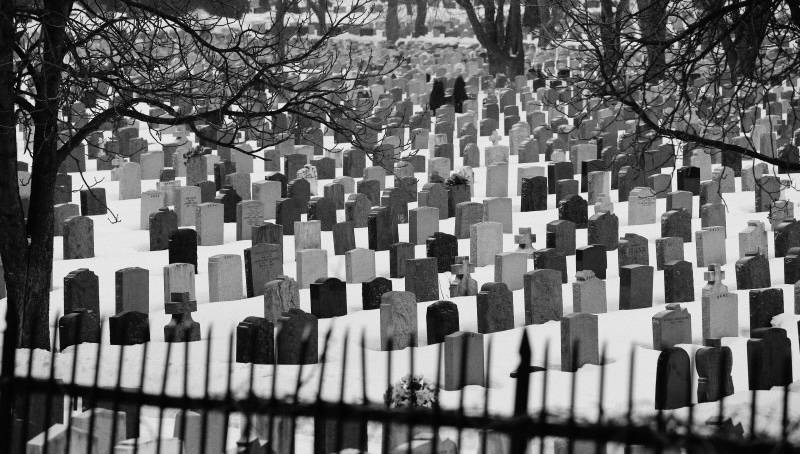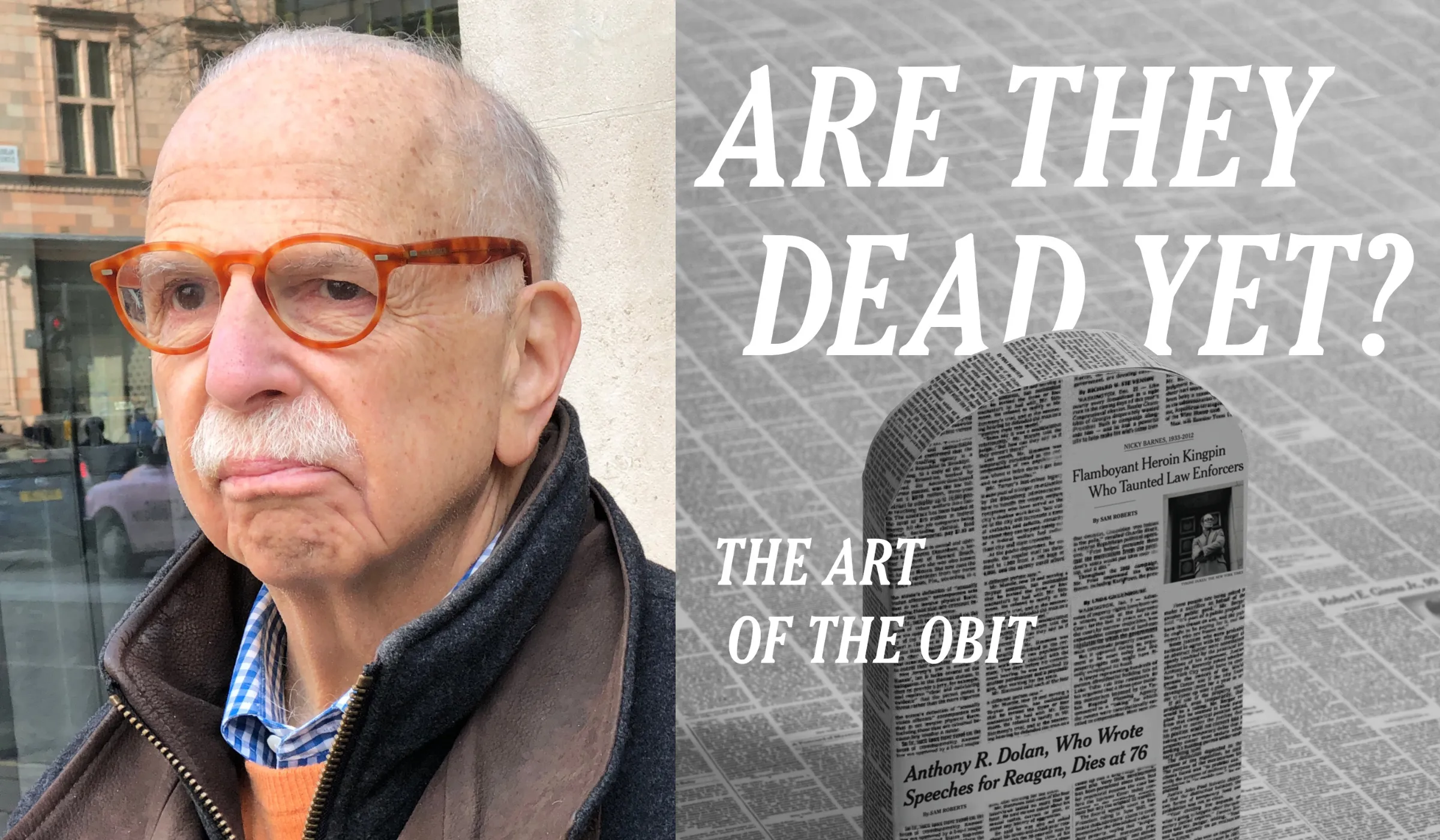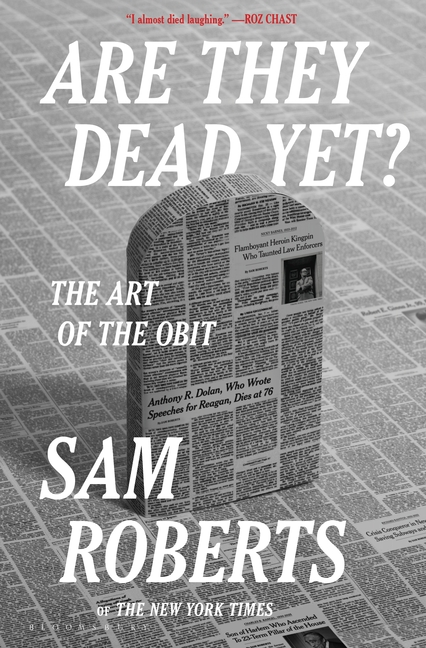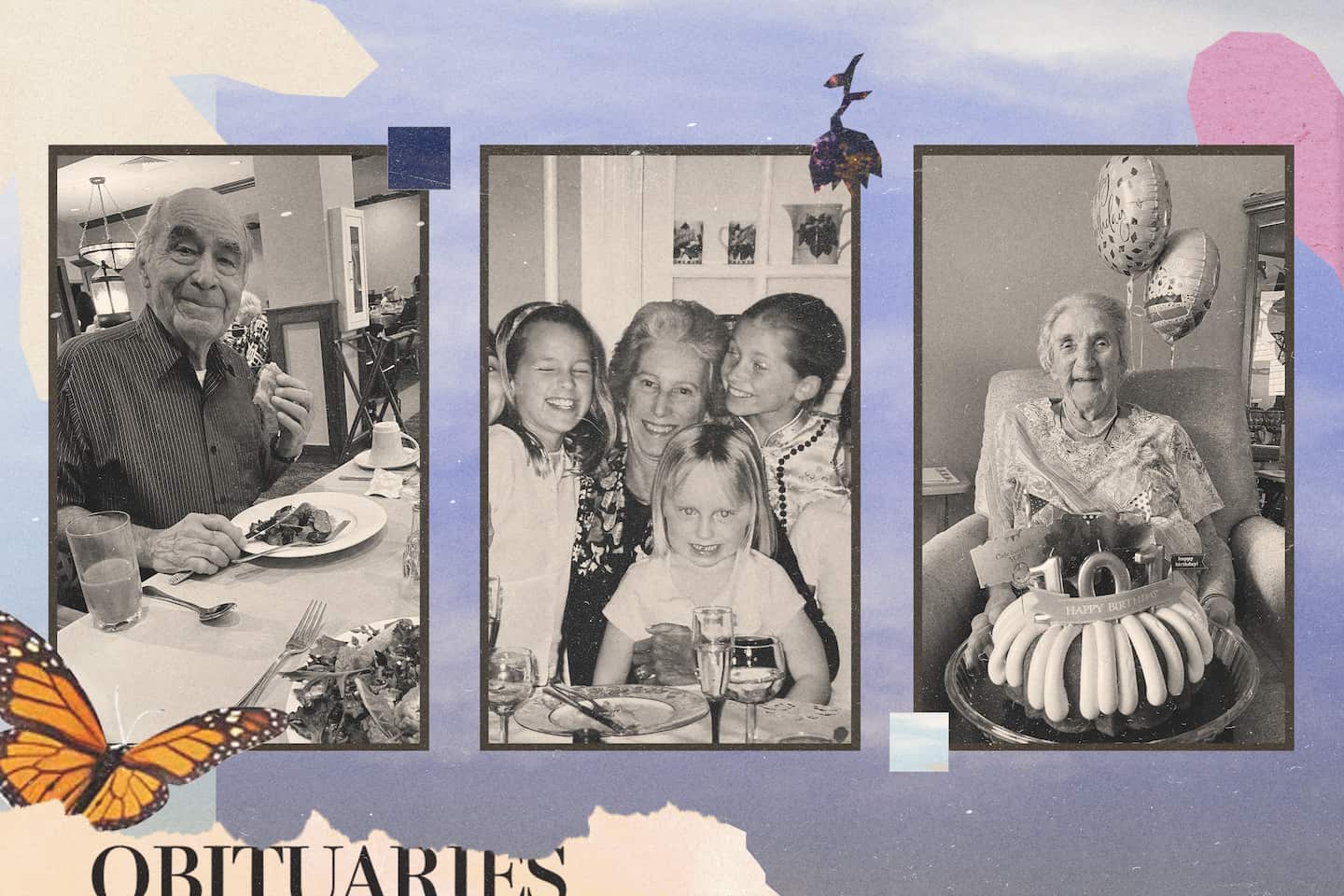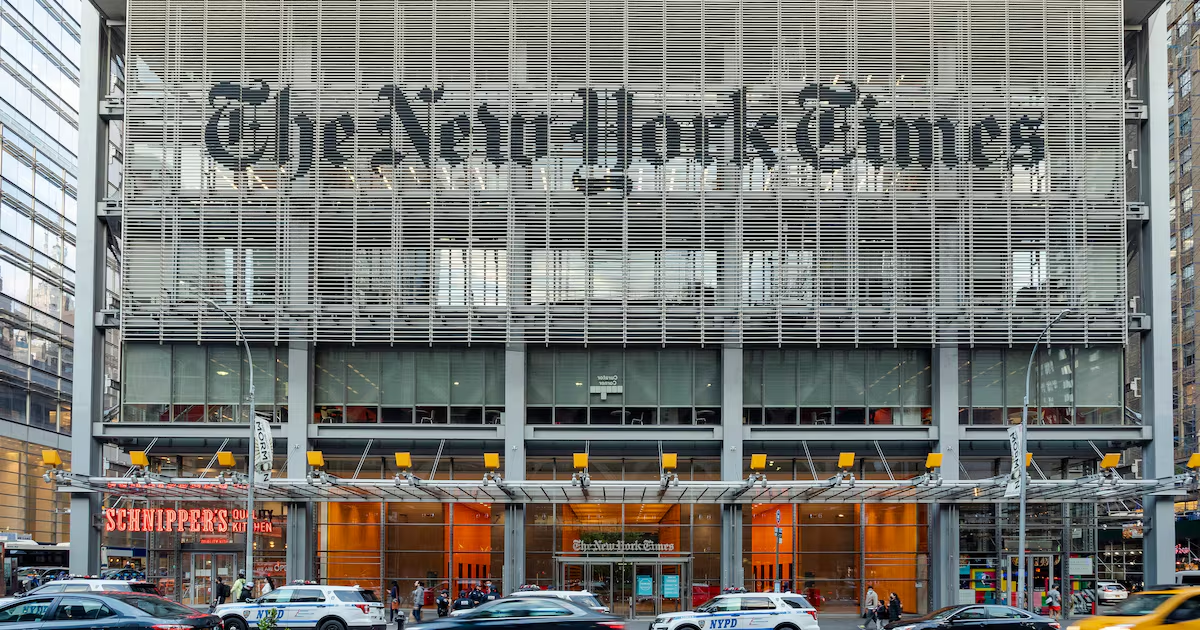
Deep in the bowels of the New York Times – the digital bowels, at least – lies a strange trove of articles that have yet to be published. At last count, their number ran to some 2,139 (the figure left unrounded and ungainly by a recent removal). Many of the people whose names feature among the stash will have an inkling that they’ve made the grade, others will be certain, and some won’t be bold enough to presume. Those in the first and second categories will never find out for sure. If everything has gone to plan, by the time the piece gets published, they’ll be dead. The New York Times is among the last major international news outlets to dedicate an entire department to the writing of obituaries. The 2,139 they already have on file are of a specific kind, known as advance obits, or just plain advances, ready to be published within minutes of their subject’s death being confirmed. Most of the newspaper’s obits are a different proposition, written in the hours or days after someone has died and under almost absurd time pressure. Obit writers are often required to research and distil the life and achievements of someone they’ve probably never heard of – an expert on rare chickens, say, or a pioneer in the field of lymphology – in the course of a single day. Advances are by design written while the subject of the obituary is still plodding along just fine, thank you, and usually reserved for the type of people who may make the front pages during their lifetimes. The Dalai Lama, Prince Philip, Chuck Norris. Religious leaders, royalty, men who smash planks of wood with their fists and keep pleasing red beards. What unites everyone who gets a New York Times obituary is what they achieved or witnessed in their lifetimes. If there’s a criterion to be met, a hurdle to be jumped, it’s this: you must, in the words of the one of the paper’s great, now-retired obit writers, Margalit Fox, have “wrinkled the social fabric”.The second criterion is less a matter of interpretation. You must be dead. One hundred per cent, all the way finished. Kaput. It was a lesson the newspaper learned the hard way. On December 4th, 2003, readers learned of the death of Katharine Sergava, described by the paper as “the dancer and actress who portrayed the dream-ballet version of Laurey, the heroine, in the original production of Oklahoma!”. While the resume was accurate, the obituary, crucially, was premature. Sargava, then in her 90s, was alive, and living in a Manhattan nursing home. Therein lies the real thrill of a New York Times obit: the surprise. Photographer: Shelby Knowles/Bloomberg The paper issued a lengthy correction the following day, explaining they had been unable to independently verify the actor’s death after an obituary for her had run in the Daily Telegraph. The piece had been published anyway. When Saragava died all over again two years later, the obituaries department had learned their lesson. They verified her death via a friend, as they now independently confirm the death of every obituary subject. It was, admittedly, a stinker. But given how long the newspaper has been covering the beat, a once-off error is forgivable. The first death recorded in the paper, that of a 63-year-old woman named Abigail Lounsbury, late of “Manhattanville”, was in October 1851, 175 years ago this year. Since then, obituaries and their distant cousin the death notice have been a constant. Those 175 years have allowed for other lessons to be learned. Advances, for example, are on strict lockdown until their subjects die. It allows the newspaper to maintain journalistic independence, free from the meddling of anyone who might be curious about the legacy they’ll leave behind in the world’s most-read newspaper. And there are more immediate benefits. [ Irish Times obituariesOpens in new window ]Gay Talese, a journalist with the paper in the 1950s and 60s and a giant of the New Journalism, once relayed a story of an editor on staff who returned to work after recovering from a heart attack. The reporter who had written the editor’s obit asked him if he might read it and correct any errors for when his day did come. The editor obliged. That evening, he had a second heart attack. The anecdote features in Talese’s profile of Alden Whitman, the writer who brought verve and colour to a form of journalism that had once been a graveyard for writers and subjects both. For decades, the obituaries desk was seen as being one of two things: a kind of purgatory for reporters whose own obits were sailing closer and closer to the shoreline; and, perhaps worse, as a Siberia for reporters who the New York Times wanted rid of, but didn’t have sufficient cause to fire. You’re playing God in a way. You’re shaping this person’s legacy— Katharine 'Kit' Q SeelyeWhitman, looking, with his dickey bow, black-rimmed glasses and slender pipe, like a kindly uncle with a penchant for cryptic crosswords, transformed the obituary into something close to an art form. He combined painstaking research – often travelling around the world to conduct interviews for his advances – with elegant prose that was at a complete remove from the stiff writing that had previously characterised the obit desk’s work. Today, the sense of creative freedom that Whitman helped to carve out for the department’s writers has transformed the role into what New York Times obit writer Katharine “Kit” Q Seelye sees as “one of the great jobs in journalism”.And in what feels like some trick of postmodernism, it has transformed the paper’s obits into a reliable joy. For Seelye, the purpose of the form “is to bring to life a person, in all their glory and lack thereof”. And for her, there have been few better writers at achieving that than her former colleague Margalit Fox. Try this, the opening lines of Fox’s account of the life of John Fairfax, a British rower who, in traversing the Atlantic in 1969, became the first person to ever row solo across an ocean: “He crossed the Atlantic because it was there, and the Pacific because it was also there. He made both crossings in a rowboat because it, too, was there, and because the lure of the sea, spray and sinew, and the history-making chance to traverse two oceans without steam or sail, proved irresistible.”There are always people second-guessing what you’re doing and ascribing motive to you— Katharine 'Kit' Q SeelyeOr this, Fox on an inventor you’ve never heard of, N Joseph Woodland: “It was born on a beach six decades ago, the product of a pressing need, an intellectual spark and the sweep of a young man’s fingers through the sand. The result adorns almost every product of contemporary life, including groceries, wayward luggage and, if you are a traditionalist, the newspaper you are holding.“With that transformative stroke of his fingers – yielding a set of literal lines in the sand – N Joseph Woodland, who died on Sunday at 91, conceived the modern bar code.”And therein lies the real thrill of a New York Times obit: the surprise. The surprise of reading about the inventor of the bar code, frisbee or Etch-a-Sketch. About the man who thought that what every second garden in mid-century America needed was a pink plastic flamingo and who, best of all, made America agree. About a “guru to the kniterati”, a “polarising wine maven” or an “ironman knuckleballer for the White Sox”.The surprise of watching on as the unknowable manoeuvrings of fate transform a single, ordinary life into a singular life. The surprise that one life could contain so much, or perhaps as often, that a life could contain one, great moment of theatre then revert to the mortal mean. Therein lies the bliss of the thing. But sitting alongside the joy is the gravity of the work. It’s a job that Seelye knows you need to get right. What you write will often be cut out of the newspaper and framed by your subject’s family, a family likely to be weighed down by grief and melancholy, buoyed by pride, left shaky on their feet by a new kind of fatigue.The responsibility is huge, she says: “You’re playing God in a way. You’re shaping this person’s legacy.”Shaping means constraints. Competing pressures of time and space force decisions about inclusion, omission and the prominence to be assigned to any given event in a person’s life. Seelye points to the obituary she wrote for Kitty Dukakis, author, activist and wife of former Democratic nominee for the presidency, Michael Dukakis. Having previously experienced long-term addiction issues with diet pills and amphetamines, Kitty became an alcoholic and “drank to an extreme degree” during her husband’s presidential campaign, Seelye explains. “She tried not to drink and her husband would hide the liquor bottles or throw them all out but she took to drinking nail polish remover and rubbing alcohol ... Then she went and got electroconvulsive therapy – which is still quite controversial – and a lot of people knew because she became very open about her alcoholism and her many trips to rehab.” Seelye wrestled with how much emphasis she should place on what were significant, well-publicised but painful experiences for her subject and her family. Experiences that formed part of a long, layered life. Looking back, she feels she may have focused too much on them, got the emotional arithmetic wrong. There may not be any other last words except ours— William McDonaldCurrently working on an advance of a particularly famous person with a controversial moment in her past, Seelye feels the same uncertainty about where to introduce the topic. “There are always people second-guessing what you’re doing and ascribing motive to you and people will say, ‘Oh they’re whitewashing her career’, or other people will say, ‘Why put that so high up? It’s not germane to the main thrust of her career.’ ” Whatever her decision, the obituary will one day be set in stone. William McDonald retired as the newspaper’s obituaries editor this month after 20 years in the job. He says the burden of getting it right has only been heightened by the reality that so many other outlets have cut back on or stopped their obituary output: “There may not be any other last words except ours.”The future of the form, then, is dependent in large part on the New York Times’ vision for it, 175 years into the job. It’s a responsibility they seem willing to embrace. We illuminate lives, we illuminate recent history, we try to put people in the context of their time and how they shaped their moment— William McDonaldSince 2018, they’ve been running a series called Overlooked, which seeks to correct the gender and racial imbalances that are immediately obvious in the paper’s obits pages even now. The newspaper’s own analysis found that between 1851 and 2017, only 15-20 per cent of its obituaries were about the lives of women. McDonald sees the series as one part of a kind of outreach, “an effort to find people where in past generations they probably didn’t make that effort. We’re more conscious now of trying to be representative of the society we live in.”He describes the role of his department in simple terms: “We illuminate lives, we illuminate recent history, we try to put people in the context of their time and how they shaped their moment.” With Overlooked, the paper is using its powers of illumination in a more searching way, and bringing back to life many of those whom they left in the shadows in the first place. Killian Down is a writer and a producer with the Second Captains podcast.
The joy of obituaries: Celebrating people who ‘wrinkled the social fabric’
In what feels like a trick of postmodernism, reading New York Times obituaries has become a treat. Writing them is ‘one of the great jobs in journalism’ - and a huge responsibility
1,963 words~9 min read