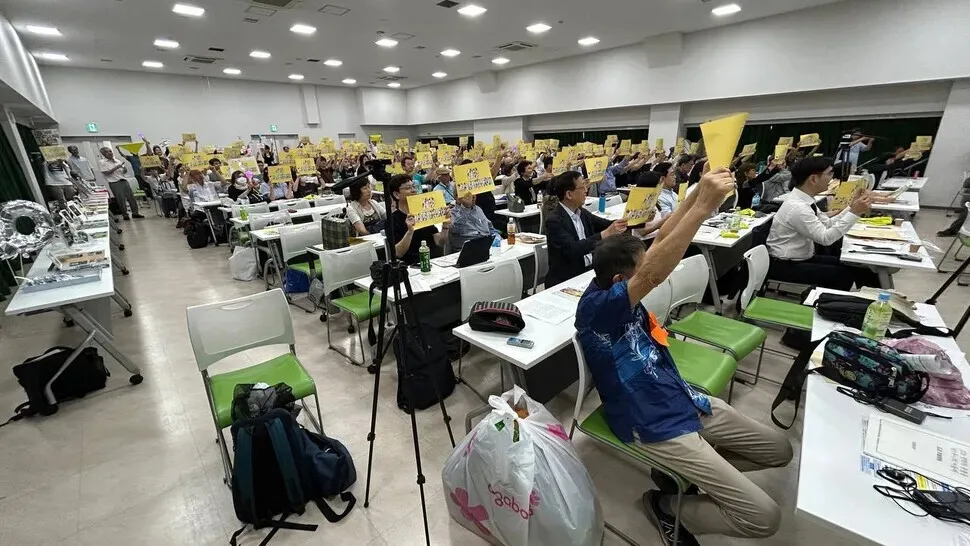
Participants in a symposium at Bunkyo Civic Center in Tokyo on Aug. 9, 2026, hold up signs reading “No Yasukuni,” referring to the controversial shrine where war criminals are enshrined. (Hong Seok-jae/Hankyoreh)
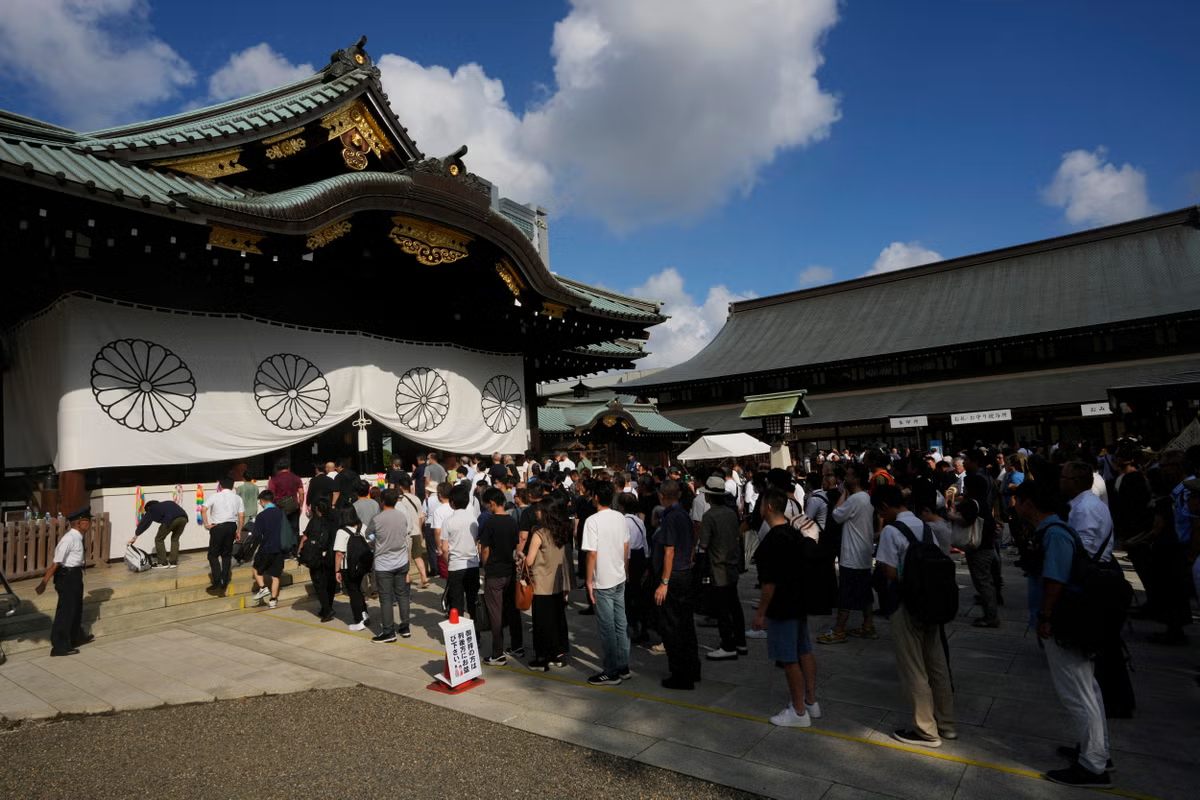
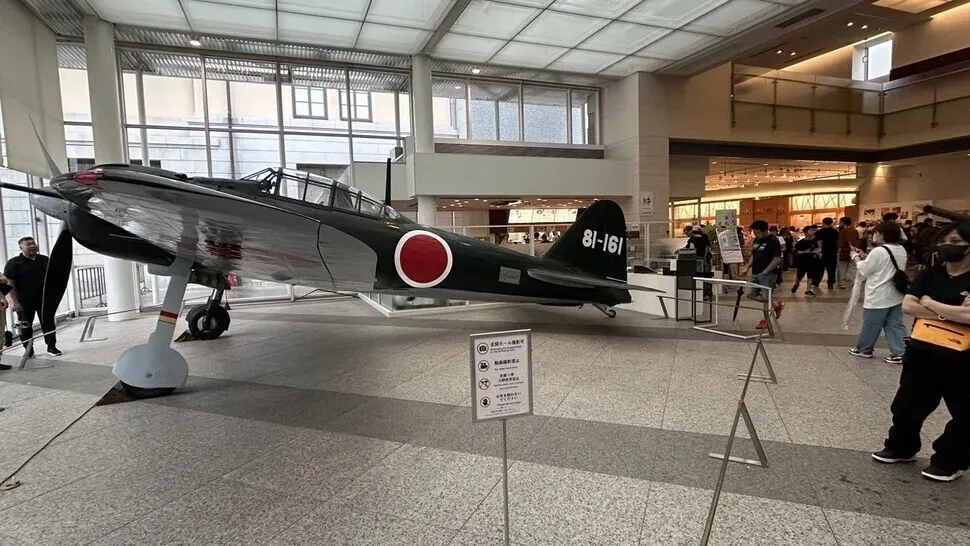
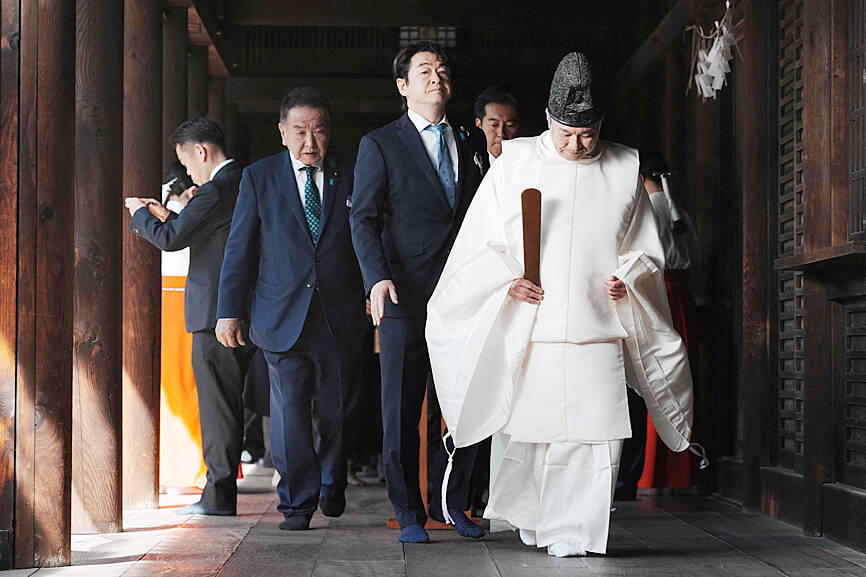
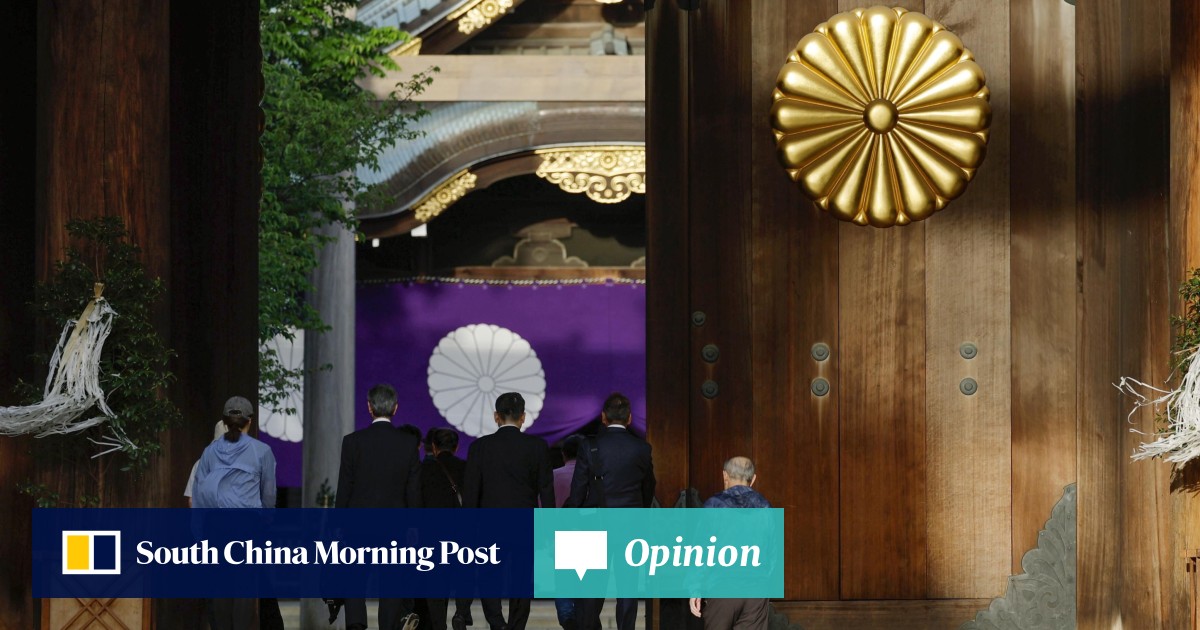
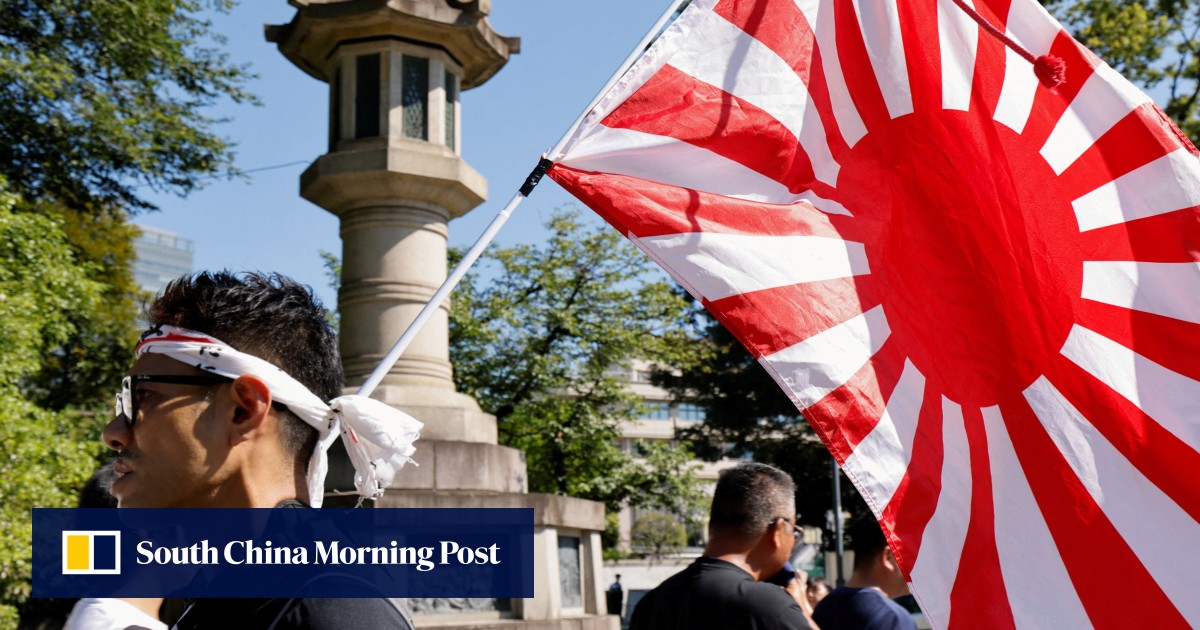
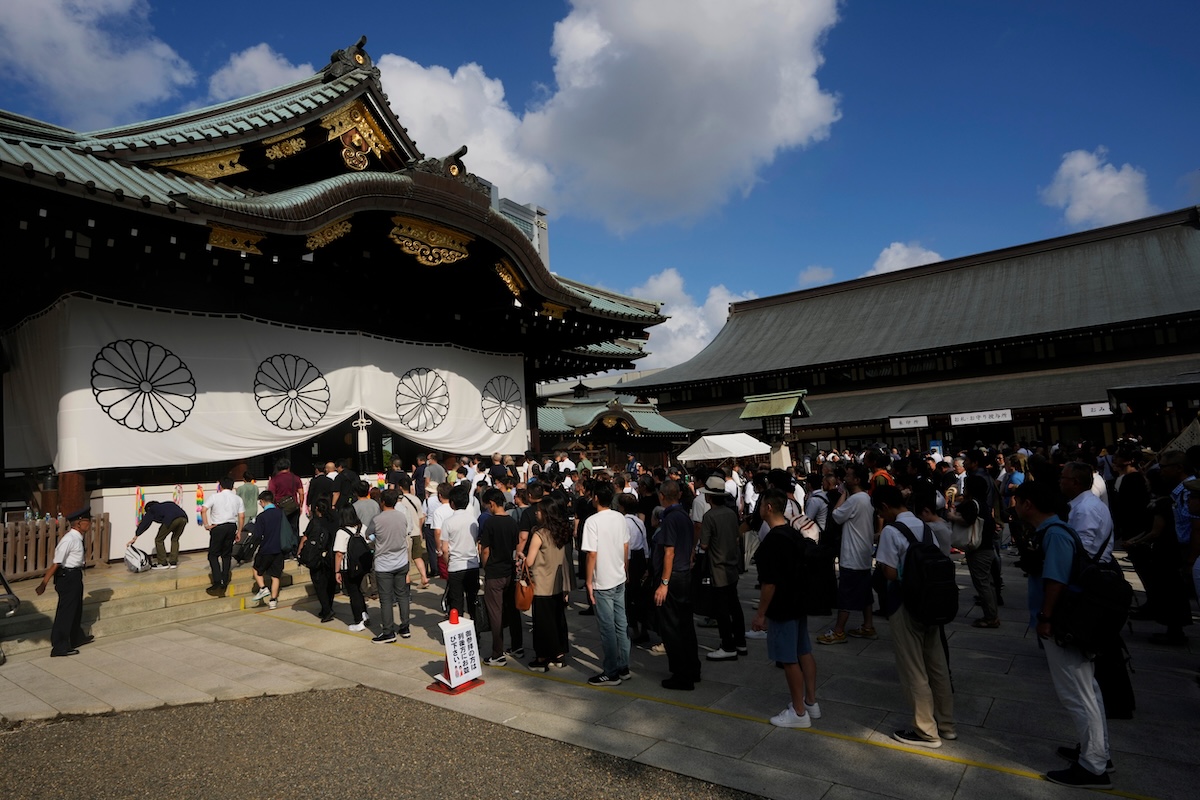
In Japan, talk of war and militarism has become harder to ignore. Since Sanae Takaichi’s hard-line conservative administration took power in 2025, phrases such as “a nation capable of waging war” and “the resurgence of militarism” have increasingly entered the national conversation.On Sunday, the Seoul-based Center for Historical Truth and Justice, together with a council advocating for victims of the Pacific War and the Japanese committee of the Joint Action Opposed to Yasukuni, and other organizations, hosted a symposium in Tokyo to criticize Yasukuni Shrine, one of the symbols of Japanese militarism.“The relationship between the Japan Self-Defense Forces and Yasukuni Shrine has become so strong that some are claiming that JSDF soldiers who die in combat must be buried at Yasukuni,” said Tetsuya Takahashi, a professor emeritus at Tokyo University.“The attempt to secularize Yasukuni Shrine for political reasons is unconstitutional and goes against the separation of church and state,” he said. “While formerly, the Japanese army was under the Emperor of Japan, that is not the case for the JSDF. It is an organization under the command and supervision of the prime minister in postwar Japan, where sovereignty resides with the people.”“Japan is increasingly being seen as the US’ key pawn in its efforts to deter China. Those who argue that fallen JSDF members should be enshrined at Yasukuni are clinging to an illusion of continuity with the former Japanese Empire and the Imperial Japanese Army. They are attempting to turn Yasukuni Shrine into a war shrine for the US-Japan allied forces,” Takahashi pointed out.Masaie Ishihara, a professor at Okinawa International University, emphasized that the history of Okinawa reveals how the state has sought to frame its wartime past.“During the Battle of Okinawa during World War II, Japanese soldiers coerced civilians into mass suicides, including infants. Those residents were regarded as having participated in combat as quasi-military personnel and therefore enshrined at Yasukuni. The Japanese government manipulated information to evade the state’s responsibility for the war and to exonerate the Japanese military of war crimes,” she said. Even though the war ended 81 years ago, the pain of Koreans who suffered under Japanese colonial rule continues to be passed down through generations. The spirits of 2.47 million people who died in Japan’s civil wars and wars of aggression, including 14 Class A war criminals from the Pacific War, are enshrined at Yasukuni. Among them are approximately 20,000 Koreans. Although some descendants of those Koreans have been filing lawsuits for four generations to have their ancestors’ names removed from Yasukuni, Japanese courts have refused to grant their requests. Among the Koreans enshrined at Yasukuni Shrine were those who had been forcibly conscripted into the Japanese army during Korea’s colonization and were later classified as Class B and Class C war criminals after Japan’s defeat.