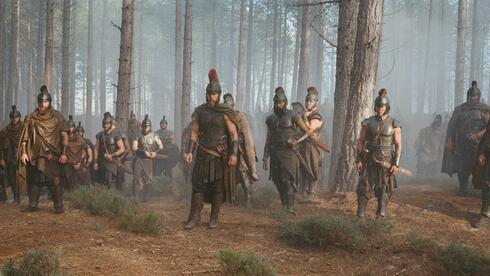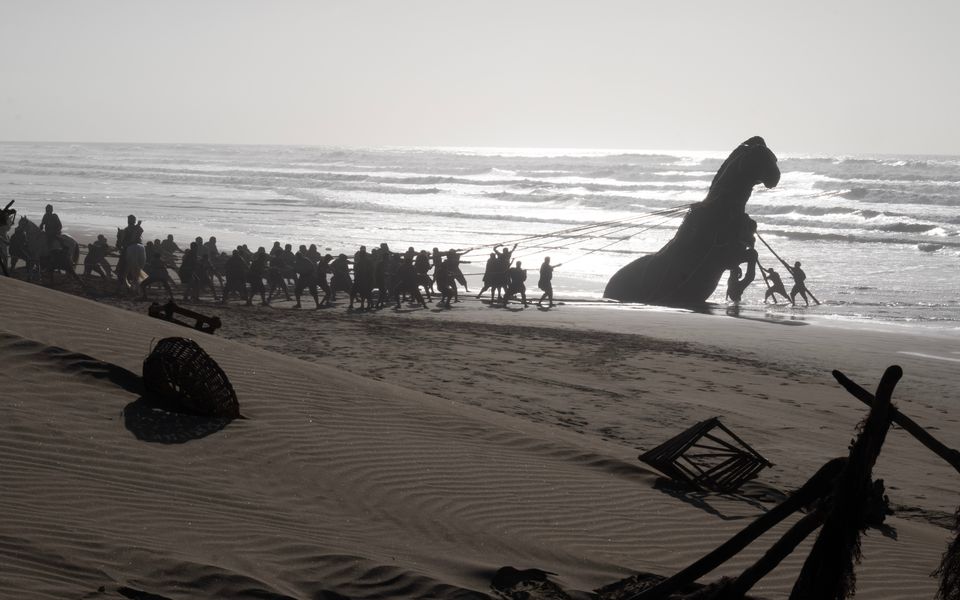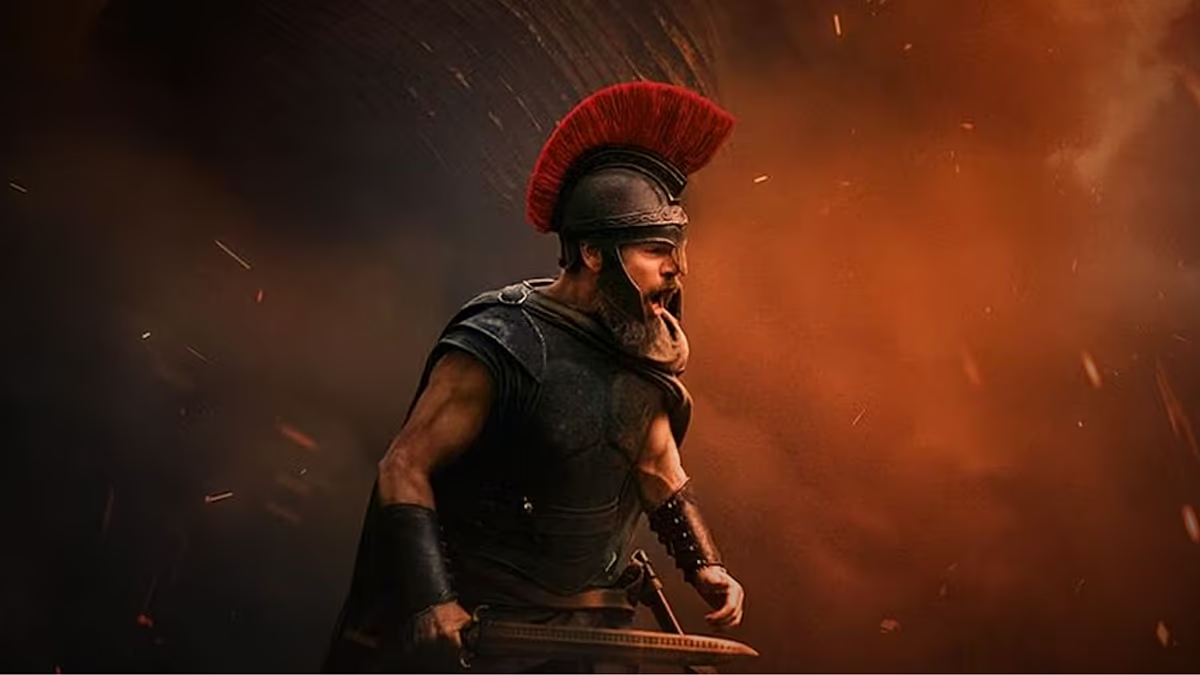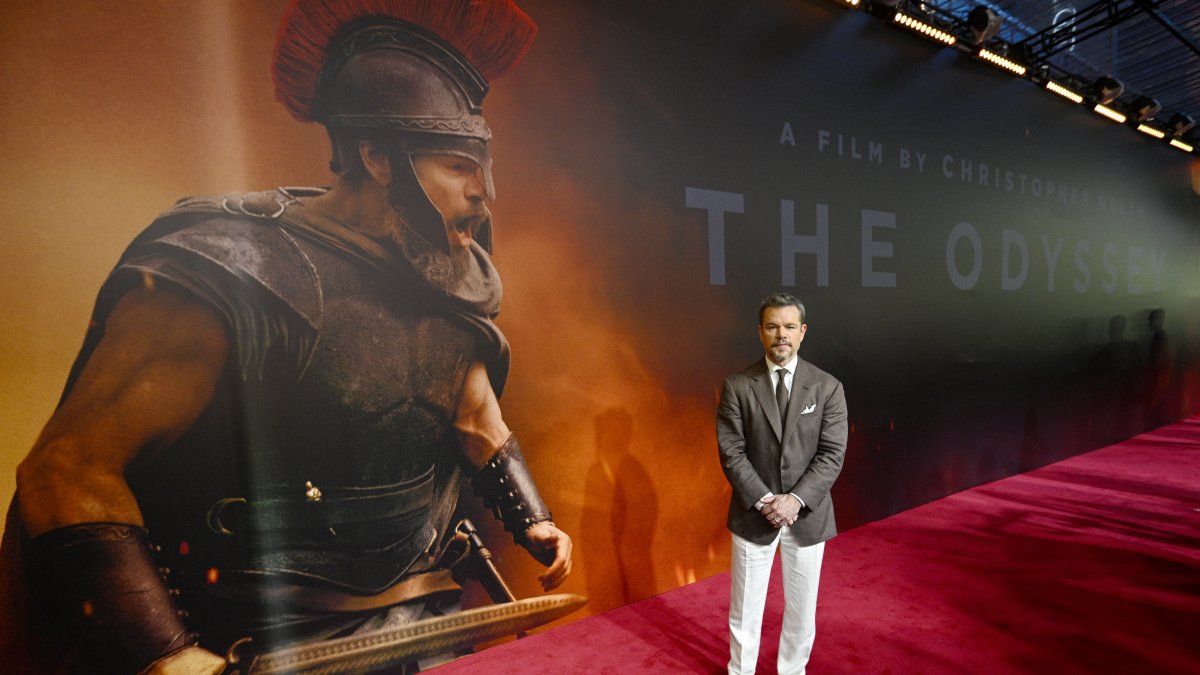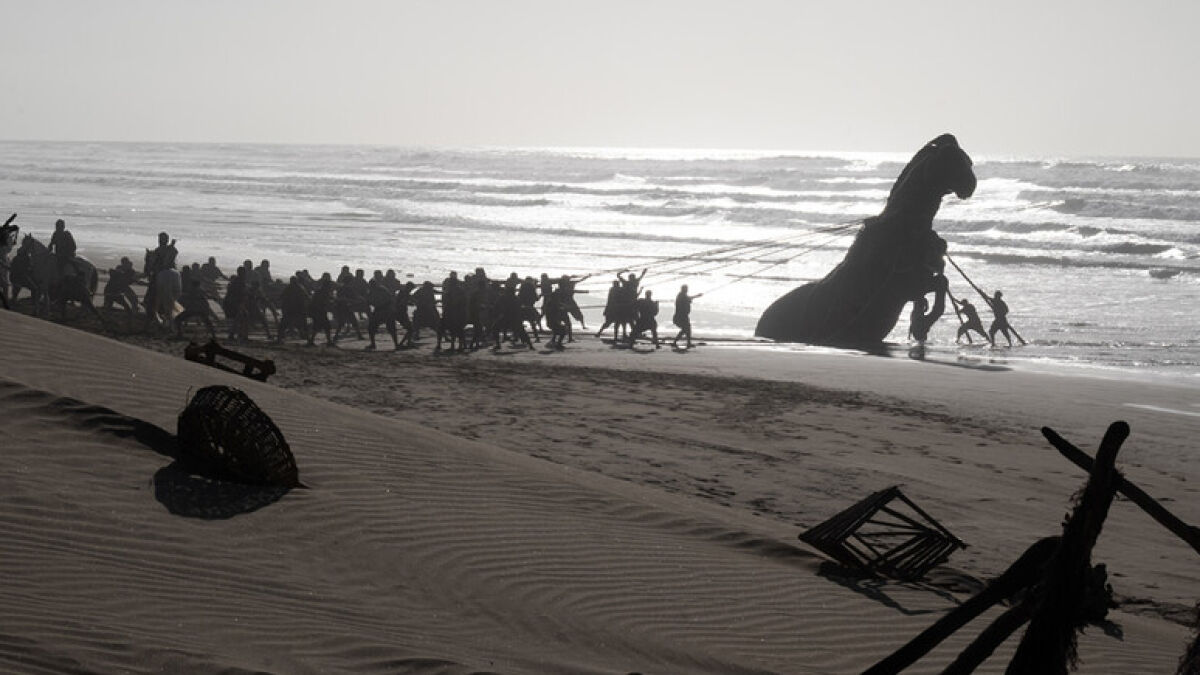
This year two American institutions held a referendum of sorts on Homer. The market spoke the loudest. In anticipation of the theatrical release of Christopher Nolan’s The Odyssey, sales of the epic poem were up 76 percent by mid-July of this year across every translation in print, according to Circana BookScan figures, and Emily Wilson’s version alone passed a million copies sold. Meanwhile, at Syracuse University, majors in classics and classical civilization were among the programs cut following an academic program review.
Customers are pounding on the front door of the shop. Management is in the back, bricking up the workroom.
That is the story behind Nolan’s The Odyssey, and it is a story about much more than a movie. The hunger is real, and for once it is measurable—a hunger for scale, for shared ritual, for the oldest homecoming story the West owns. The scandal is the supply side. The demand is being met by a $250 million spectacle, while the unglamorous machinery that carried the poem through every previous century—the departments, the translators, the teachers—is being dismantled, line by budget line, in the same news cycle.
How Should Leaders Respond to McMahon’s Letter?
Helping Caregivers Rebuild Careers