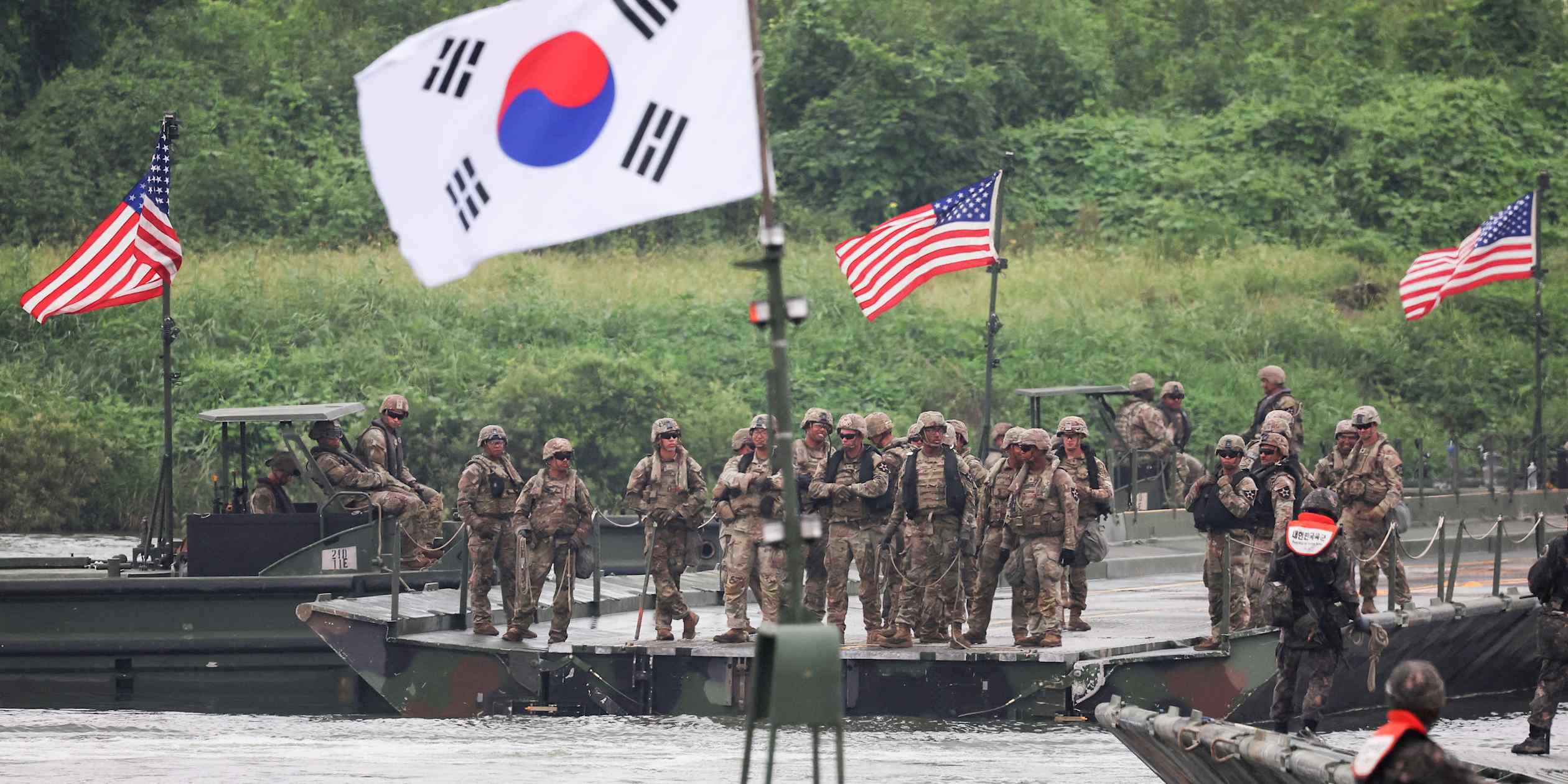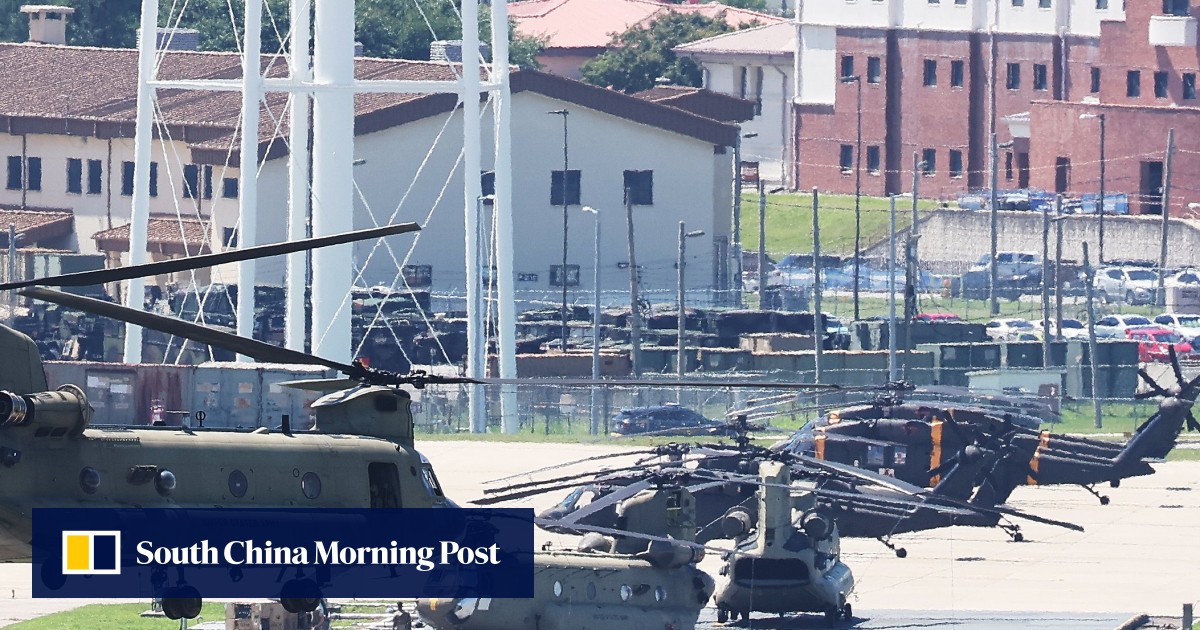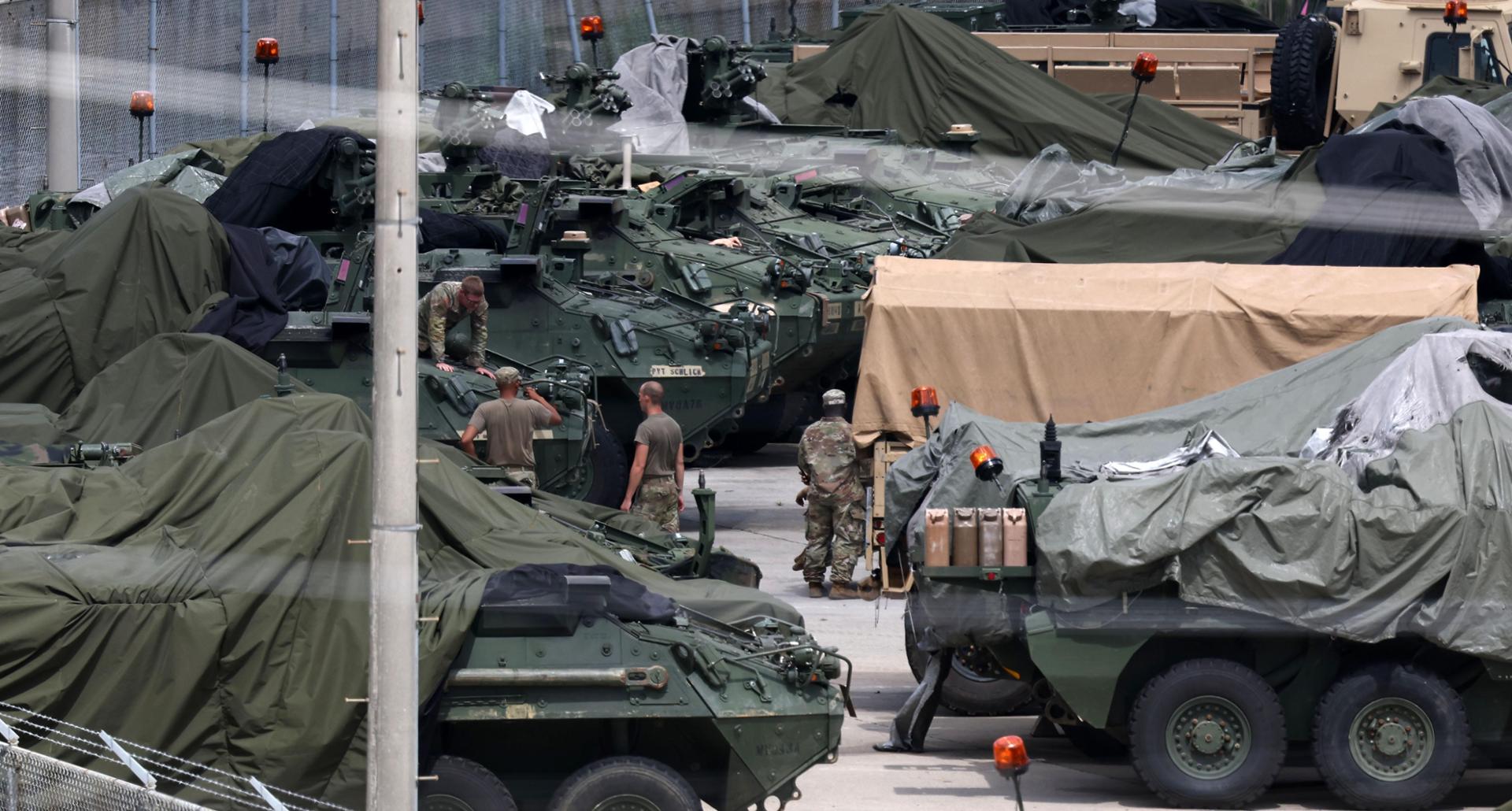
U.S. soldiers check tanks and other vehicles at a base in Dongducheon, Gyeonggi Province, during the 2025 Ulchi Freedom Shield drills in this file photo from Aug. 19, 2025. Newsis
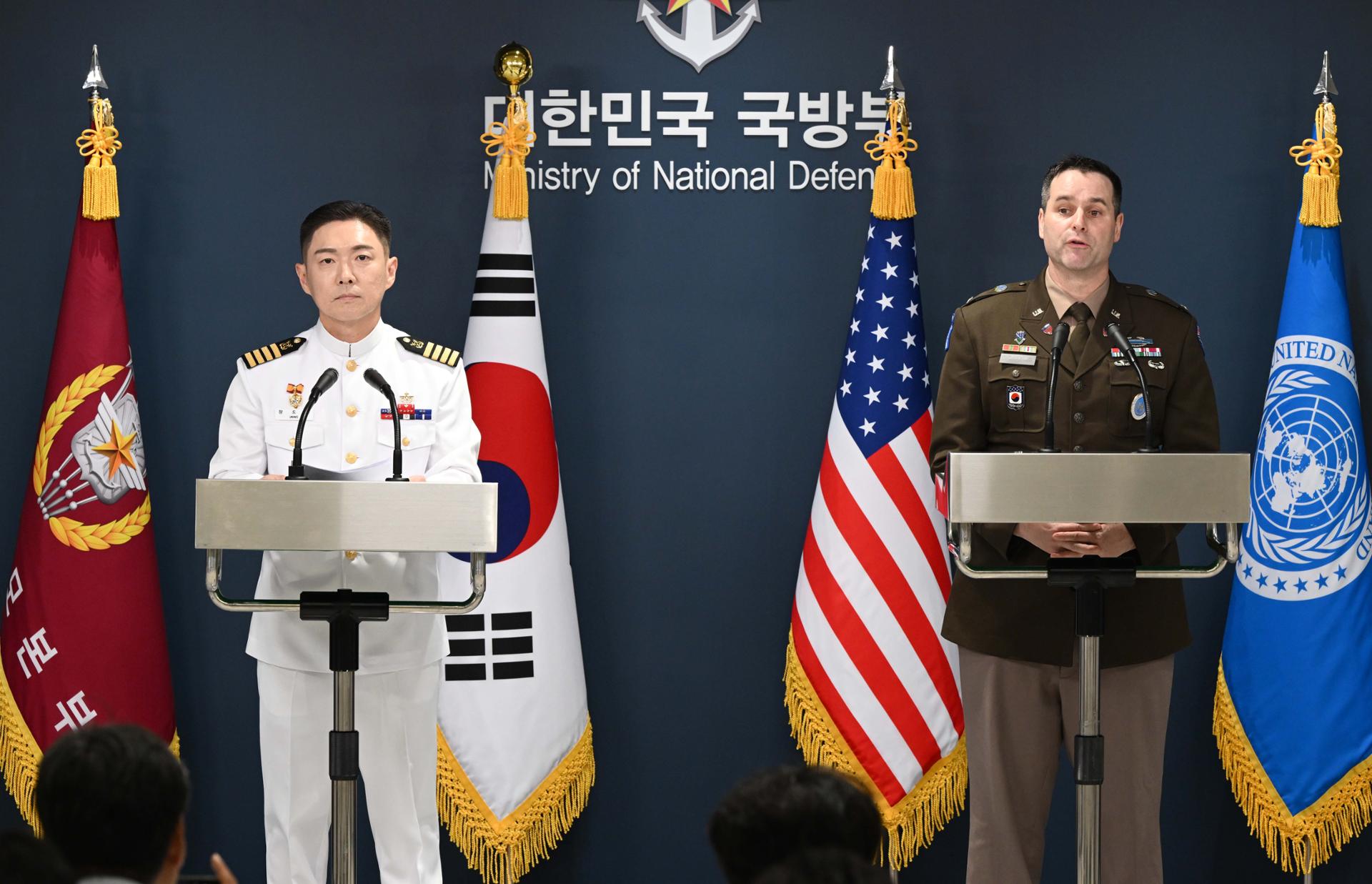
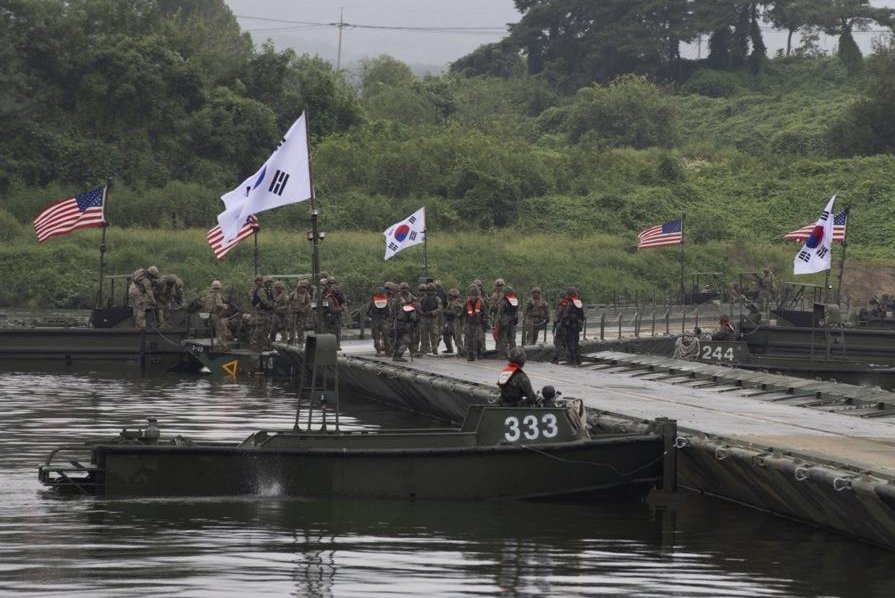
This year's Ulchi Freedom Shield (UFS), a joint military drill between South Korea and the United States, will take place Aug. 17-27. UFS is one of two large-scale combined military exercises. The other is Freedom Shield, held in the spring. This UFS stands out in that it involves drills to counter drones, GPS disruption and cyberattacks — capabilities North Korea is presumed to have gained through its participation in Russia's invasion of Ukraine.
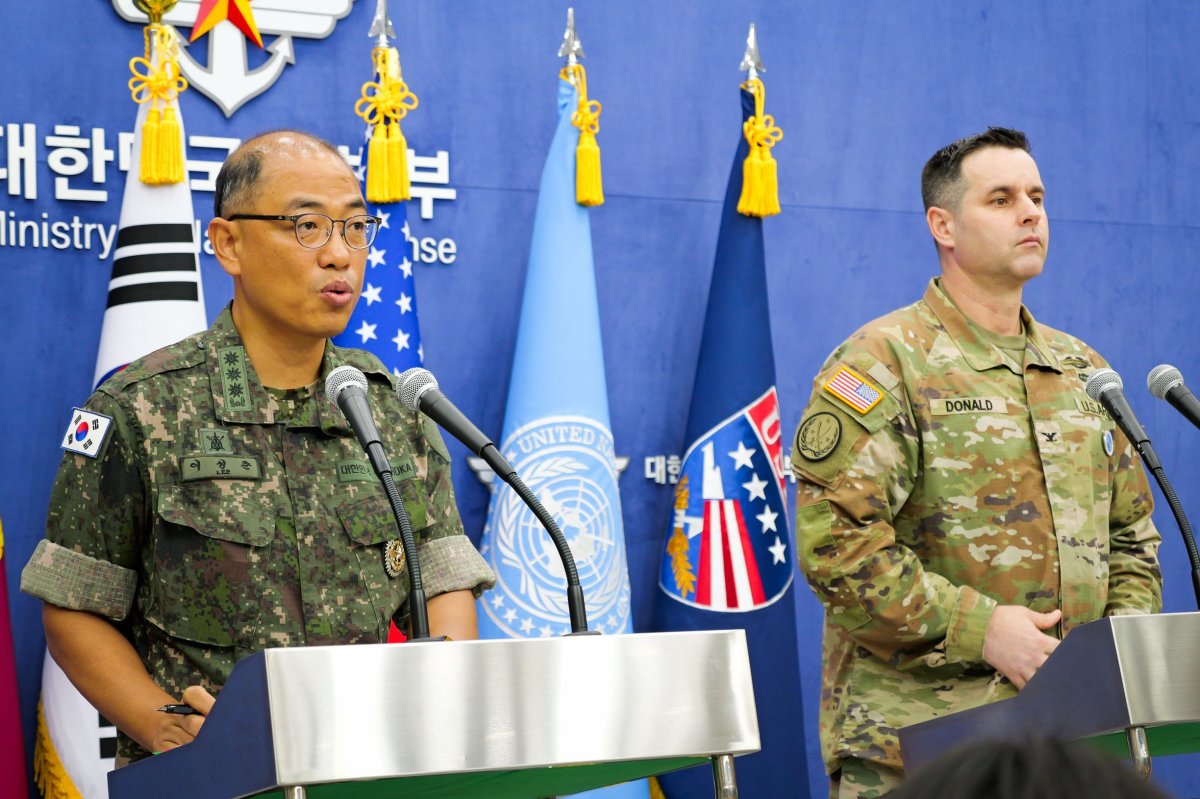
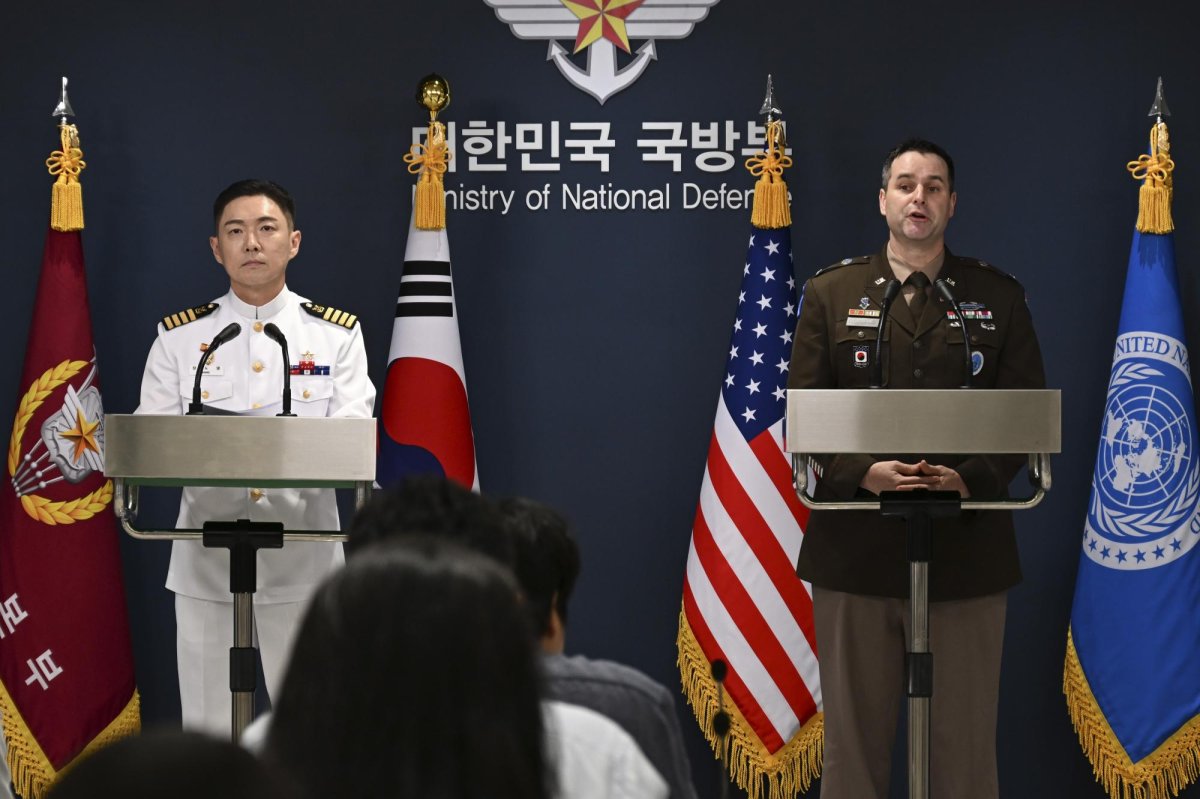
For South Korea, this UFS is a litmus test for wartime operational control (OPCON) transfer from the United States. Korea and the United States have agreed on wartime OPCON transfer using a three-stage process. Korea is currently in the second stage, where its full operational capability to lead combined forces is being verified. The Joint Chiefs of Staff (JCS) have said that the upcoming UFS will "serve as an opportunity to support preparations for a conditions-based OPCON transfer."
President Lee Jae Myung's administration has framed the OPCON transfer and command authority over the military as being about self-reliance. It is one of the administration's top goals, with a target of achieving full operational control by 2028 or even as early as late 2027. In contrast, the U.S. has been reiterating that there must be verification of all three phases for the conditions-based handover. While there is room for nuance, the discrepancy should be worked out carefully by both sides through communication and trust building — including through joint field exercises. It is often the case that a self-reliant nation is a better partner and ally.